


 ICE Agent Arrested in Minneapolis Over Venezuelan Man Shooting
  Google Changes EU Spam Policy Amid Antitrust Scrutiny
  US Delegation Visits Myanmar, Secures Release of American Adam Castillo
  Mexico Pushes for US Trade Deal Before Midterms
  Russian Attack on Balakliia Kills Two, Injures Two
  Who should own the knowledge that underpins AI technology?
  Trump Threatens EU Tariffs Over Canada Membership Proposal
  Trump Hopes Iran War Nears End as Yemen Fighting Escalates
  FDA Names Permanent Drug and Biologics Center Chiefs
  Venezuela Nears Deal to Move $4 Billion in Gold to New York Fed
  Kim Yo Jong Warns of Stronger Response to US-Led Military Drills
  Brazil Warns EU of Retaliation Over Animal Products Ban
  FAA Allows Boeing to Sell 35 More 777F Freighters Beyond 2028
  France Targets Shein, Temu With Fast-Fashion Fees
  US Allies Fear Trump Could Soften Taiwan Stance in Xi Talks
  Judge Blocks Trump Rule Limiting Foreign Student Visas


 Add as a preferred source on Google
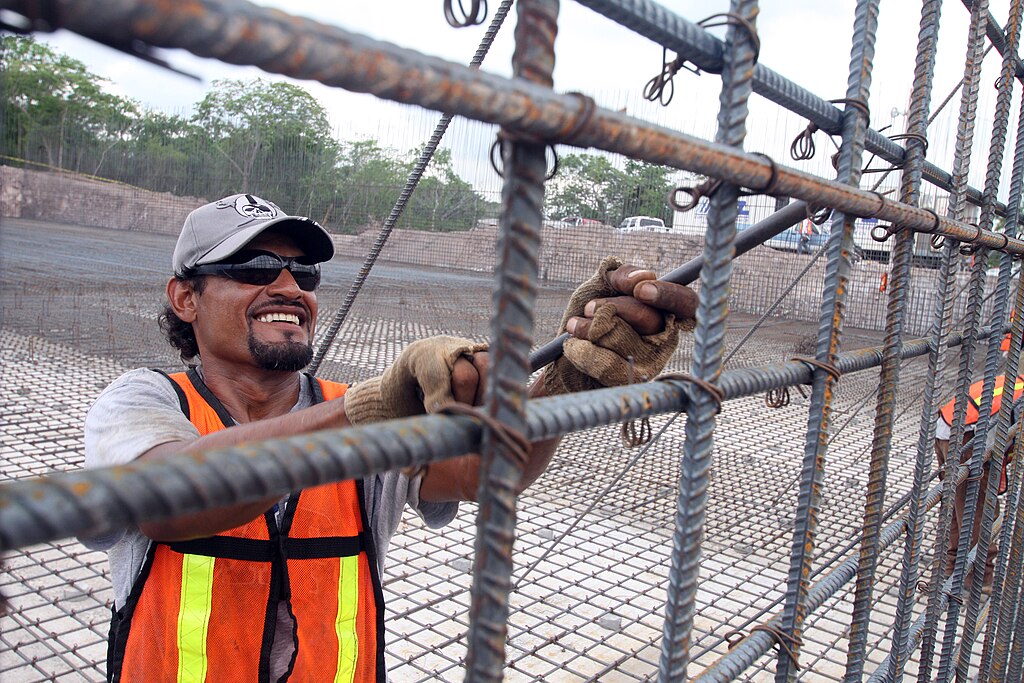
Mexico’s government will implement a phased reduction of the standard work week from 48 to 40 hours, aiming for full enforcement by January 2030, Labor and Social Security Minister Marath Bolaños announced during a Labor Day speech. This long-anticipated labor reform aligns with President Claudia Sheinbaum’s broader agenda to modernize labor conditions and improve work-life balance in Latin America’s second-largest economy.
Bolaños stated that the ministry will conduct public forums across various Mexican cities from June to July 2025 to gather input from workers, employers, and experts. The findings will shape a legislative proposal outlining the gradual reduction plan. The current standard work week in Mexico is among the longest in the world, with many employees working six days a week.
Efforts to shorten the work week have faced significant delays. A 2023 bill proposing the 40-hour cap was stalled in Congress due to political opposition and concerns from the business sector. A renewed push in 2024 also failed to pass. Despite this, the government remains committed to advancing labor reforms aimed at promoting worker welfare without compromising productivity.
The proposed reduction is expected to benefit millions of workers by offering better work-life balance, improved mental health, and higher job satisfaction. If successfully implemented, Mexico will align more closely with international labor standards already adopted by many OECD countries.
This strategic shift reflects growing global momentum toward shorter work weeks amid evolving workplace norms. The upcoming forums and legislative developments will be key indicators of whether the reform can finally move forward after years of gridlock.







