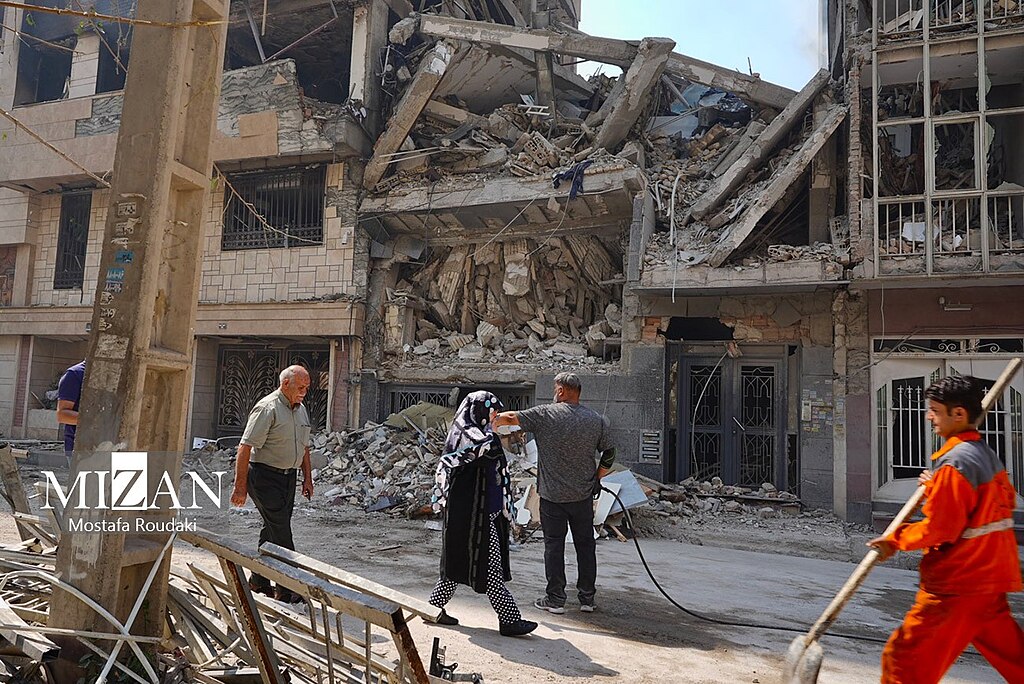
A month into the intensifying Middle East conflict, military strikes are increasingly targeting critical economic infrastructure across the Gulf region, raising global market concerns and drawing deeper U.S. military involvement.
Kuwait's international airport sustained drone damage to its radar systems, while Oman's Salalah port was hit by two separate drone attacks, injuring a worker and damaging equipment. The most serious incident unfolded in the United Arab Emirates, where Iranian ballistic missiles and drones were intercepted by UAE air defenses, though falling debris sparked fires at the Khalifa Economic Zones in Abu Dhabi, leaving five Indian nationals injured.
These strikes follow reported Israeli attacks on Iranian steel facilities, reinforcing a dangerous cycle of economic warfare between regional powers.
On the military front, twelve U.S. servicemembers were wounded — two critically — after Iran struck Prince Sultan Air Base in Saudi Arabia. The attack destroyed several American refueling aircraft and marked at least the second missile strike on the base since hostilities began. Meanwhile, U.S. Central Command confirmed the USS Tripoli has arrived in the region, deploying roughly 3,500 Marines and sailors equipped with strike fighters and amphibious assault capabilities.
The conflict broadened further when Yemen's Houthi militants launched a ballistic missile at southern Israel for the first time, triggering air raid sirens across Beersheba. The group vowed continued attacks until what it described as regional aggression ceases.
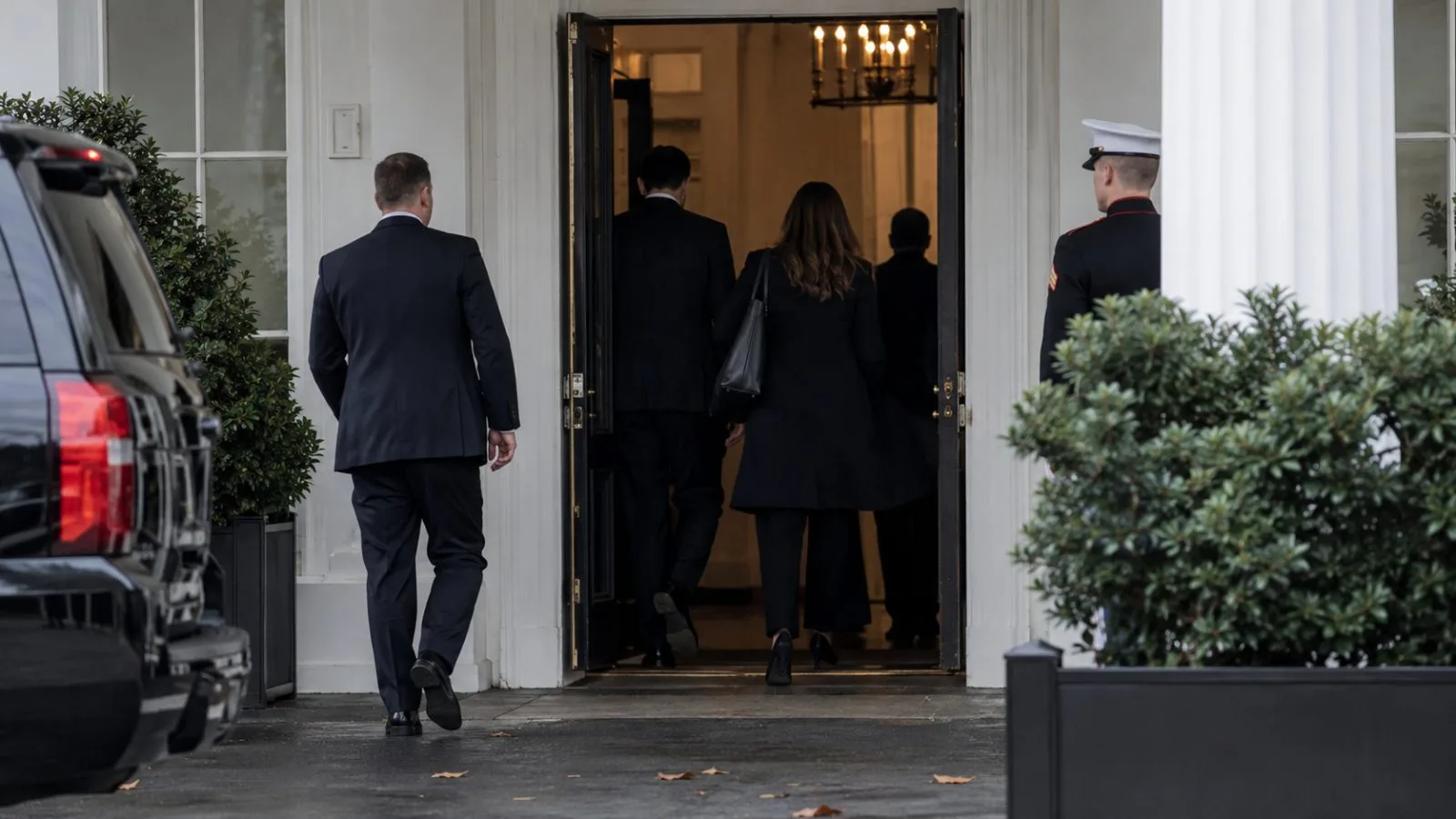
Despite the escalation, diplomatic channels remain active. U.S. envoy Steve Witkoff confirmed that negotiations with Iran are progressing, with meetings expected this week. A proposed 15-point American framework demands Iran halt uranium enrichment and surrender nearly 10,000 kilograms of enriched material under international oversight — terms Tehran is expected to partially reject.