


 JD Vance Questions Pentagon Plan to Livestream Fort Hood Shooter’s Execution
  RFK Jr. Launches Nationwide Vaccine Safety Review
  US, EU Push for Action Against Asia’s Excess Factory Capacity
  European Auto Stocks Rise as EU-China Trade Deal Targets Hybrid Imports
  Mahmoud Abbas Postpones Palestinian Elections to September 2027
  Trump Announces Russia-Ukraine Energy Ceasefire as Zelenskiy Awaits Details
  North Korea Fires Ballistic Missiles as Tensions With South Korea Escalate
  Pakistan Declares Emergency in Khyber Pakhtunkhwa, Suspends Imran Khan’s PTI Government
  Venezuela’s Machado Calls for Elections by July 2027
  Zelenskiy Offers Russia Energy Truce Amid Trump Pressure
  Trump Cancels Alabama Football Trip as Hurricane Isaias Approaches
  Brazil Election: Lula and Bolsonaro Rally Ahead of October 25 Runoff
  Yandex Data Center Hit by Drone Strike as Russia-Ukraine Cyber Infrastructure Attacks Escalate
  Trump Sanctions International Criminal Court, Sparking EU Backlash
  Trump Calls for Zelenskyy Replacement Amid Russian Diesel Deal
  Trump Announces Russia-Ukraine Energy Ceasefire Amid U.S. Pressure on Kyiv


 Add as a preferred source on Google
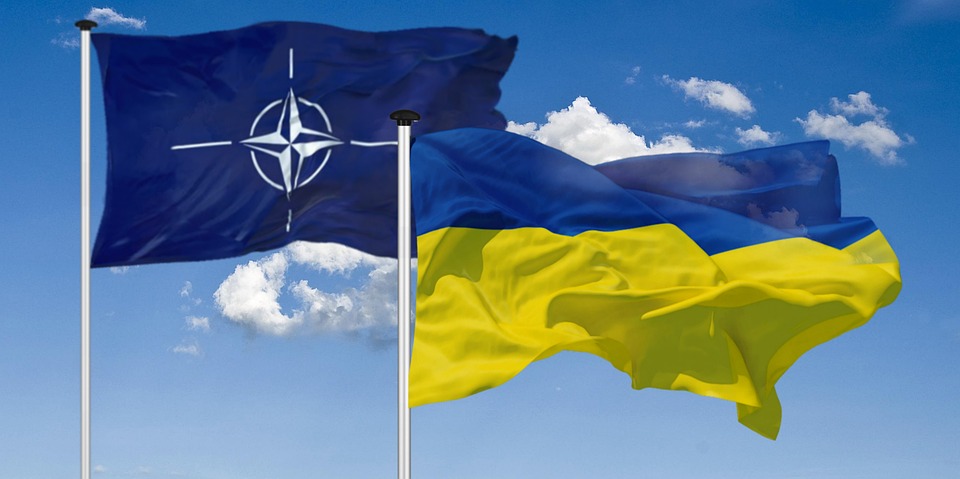
The defense ministers under the NATO military alliance, as well as its allies, are set to meet this week with Ukraine on the agenda. The US envoy to the alliance said the focus of the meeting was to provide Ukraine with air defense capabilities following the latest Russian strikes.
The US ambassador to NATO, Julianne Smith, said in an online meeting that over 50 countries that make up the Ukraine Defense Contact Group would meet ahead of the NATO ministerial meeting from October 12 to 13 to discuss what more could be done to help Ukraine fight back against Russia in the nearly eight-month-long war. Smith said the focus was likely on air defenses.
The alliance issued a warning to Russia ahead of its ministerial meeting that any attack on the critical infrastructure of its allies would be met with a “united and determined response.” The alliance also said it was closely monitoring Moscow’s nuclear forces as the country was losing on the ground in Ukraine.
“Russia is actually losing on the battlefield,” NATO chief Jens Stoltenberg told reporters at a news conference Tuesday. Stoltenberg added that Russia was responding to Ukraine’s advances with attacks on civilian targets.
NATO is also set on continuing its annual nuclear preparedness drills next week, where NATO forces practice the use of US nuclear bombs based in Europe without the use of live weapons.
Stoltenberg said that cancelling the drills due to the war in Ukraine would send the wrong message to Vladimir Putin as Russia has made threats to use nuclear weapons on Ukraine.
Stoltenberg also urged Belarusian President Alexander Lukashenko to stop his country’s “complicity” in the ongoing war. This follows Lukashenko’s announcement Monday to deploy troops with Russian forces near Ukraine.
A senior NATO official said Wednesday that any nuclear strike from Russia would change the course of the war and would most likely illicit a “physical response” from Ukraine’s allies and even from the alliance. The official said that the use of nuclear weapons by Russia on Ukraine would have “unprecedented consequences” for Russia.
However, the official said that Russia was likely only making nuclear threats in an attempt to keep NATO and other countries from entering the war. Diplomats have also echoed the comment, saying that Russia is trying to scare the West into reducing support for Ukraine by threatening to use nuclear weapons.







