


 Houthis Warn Saudi Airports After Deadly Riyadh Attack
  US, EU Push for Action Against Asia’s Excess Factory Capacity
  Mahmoud Abbas Postpones Palestinian Elections to September 2027
  Flydubai Co-Pilot Planned Suicide Attack on Israel Airport, UAE Says
  Zelenskiy Offers Russia Energy Truce Amid Trump Pressure
  US Judge Blocks Trump Administration’s Taxpayer-Funded Political Ads
  Trump Announces Russia-Ukraine Energy Ceasefire as Zelenskiy Awaits Details
  Venezuela’s Machado Calls for Elections by July 2027
  Flavio Bolsonaro Leads Lula 49%-45% in Brazil Runoff Poll
  Panama Declares Emergency After 7.7 Earthquake Triggers 200 Aftershocks
  RFK Jr. Launches Nationwide Vaccine Safety Review
  UK Finance Minister Healey Calls for Fiscal Discipline Amid Global Risks
  Trump Announces Russia-Ukraine Energy Ceasefire Amid U.S. Pressure on Kyiv
  Ripple Chairman Chris Larsen Donates $22.5 Million Ahead of US Midterms
  Trump Cancels Alabama Football Trip as Hurricane Isaias Approaches
  Brazil Election: Lula and Bolsonaro Rally Ahead of October 25 Runoff
  Russian Strikes Kill Six in Ukraine, Including Three in Kharkiv


 Add as a preferred source on Google
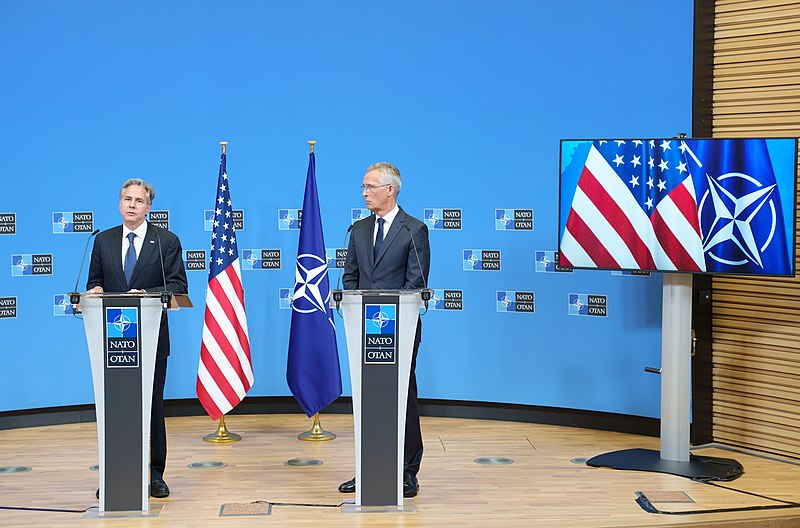
NATO Secretary-General Jens Stoltenberg condemned Russia’s latest widespread air strikes that hit civilian targets in Ukraine. Stoltenberg said the alliance would continue to support Ukraine.
Stoltenberg condemned the latest widespread strikes by Russia on civilian targets in Ukraine. The strikes, ordered by Vladimir Putin, followed the partial explosion of the Kerch Strait bridge linking Russia to the annexed Crimea region. Putin accused Ukraine of acts of terrorism over the blast.
“Spoke with foreign minister Dmytro Kuleba & condemned Russia’s horrific & indiscriminate attacks on civilian infrastructure in Ukraine. NATO will continue supporting the brave Ukrainian people to fight back against the Kremlin’s aggression for as long as it takes,” tweeted Stoltenberg.
Prior to the alliance’s condemnation of Russia’s latest attacks, German defense minister Christine Lambrecht said Saturday that NATO must do more to protect itself, citing that the alliance does not know the extent of Putin’s “delusions of grandeur.” Lambrecht made the remarks during a visit to German troops stationed in Lithuania.
“One thing is certain: the current situation means we need to do more together,” said Lambrecht. “The brutal Russian war of aggression in Ukraine is getting more and more brutal and unscrupulous…Russia’s threat of nuclear weapons shows that Russian authorities have no scruples.”
Despite continued threats by Russia to use nuclear weapons, the United States said there had been no indication that Russia is gearing up to use such types of weapons in the war it is waging on Ukraine.
A NATO official said Tuesday last week that the alliance has not seen changes in Russia’s nuclear posture but will remain on alert. The official’s comments followed Putin’s previous order for the partial mobilization of reserve troops in Russia to fight on the ground in Ukraine, along with the previous threats to use nuclear weapons.
“We have not seen any changes in Russia’s nuclear posture, but NATO and Allies remain vigilant,” the official told Reuters.
The official cited NATO’s new strategic concept that was unveiled back in June, that Russia’s expansion of “novel and disruptive dual-capable delivery systems while employing coercive nuclear signaling,” posed a challenge to the alliance’s security and interests.







