


 Guterres Urges Stronger Global AI Safeguards Ahead of UN Assembly
  Google Changes EU Spam Policy Amid Antitrust Scrutiny
  Saudi Arabia Shuts East-West Oil Pipeline After Drone Attack
  Global Poll Shows Rising Trust in Institutions as US-China Leadership Support Falls
  Countries Tighten Social Media Bans for Children
  Synthetic data could ease people’s concerns about privacy breaches. But who gets to create it?
  Australia Plans New Rules Giving Users Control Over Social Media Feeds
  Yemen Fighting Threatens Red Sea Oil Routes
  Who should own the knowledge that underpins AI technology?
  Judge Blocks Trump Rule Limiting Foreign Student Visas
  ICE Agent Arrested in Minneapolis Over Venezuelan Man Shooting
  US Confirms Weapons in Orbit as Space Tensions Rise
  Australia Tightens Student Visa Rules, Targets Migration Cut by 2028
  FDA Weighs Safety Standards for Psychedelic Therapies
  US-China Experts Push AI Nuclear Safeguards to Prevent Military Escalation
  France Urges Faster AI Push Despite Safety Risks
  Nvidia-Groq AI Chip Deal Faces U.S. Antitrust Probe


 Add as a preferred source on Google
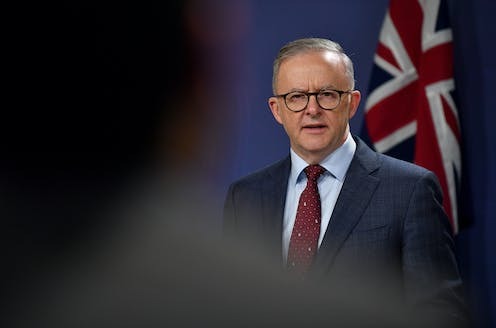
Australia’s most populous state, New South Wales, has passed sweeping new gun control and anti-terrorism laws following the deadly Bondi Beach mass shooting, marking the most significant tightening of firearm and protest regulations in decades. The Terrorism and Other Legislation Amendment Bill was approved during an emergency parliamentary session, reflecting the urgency felt by the state government after the attack that killed 15 people at a Jewish Hanukkah celebration.
Premier Chris Minns said the reforms were necessary to protect public safety, even if they proved controversial. He stated that Sydney and New South Wales had been permanently changed by what authorities described as a terrorist act, adding that the government would take every possible step to prevent similar tragedies. The bill passed with bipartisan support from the ruling Labor Party and the opposition Liberals, though it faced resistance from the National Party, which argued the new gun ownership limits would unfairly affect farmers.
Under the new laws, individual firearms licences will be capped at four weapons, while farmers will be allowed up to 10 guns. Gun club membership will now be mandatory for all licence holders, further tightening firearm oversight. Minns described these measures as the toughest gun laws in Australia.
The legislation also significantly expands police powers following a declared terror attack. Authorities will be able to restrict protests for up to three months, a move the government says is aimed at preventing intimidation and violence. In addition, the public display of symbols and flags linked to banned militant organisations such as Islamic State, Hamas and Hezbollah is now illegal, with penalties of up to two years in jail or fines of A$22,000.
The Bondi Beach shooting, the deadliest in Australia in nearly 30 years, was allegedly inspired by Islamic State ideology. One suspect was killed by police, while his son faces dozens of charges including murder and terrorism.
Civil rights and activist groups have strongly criticised the new laws, announcing plans to mount a constitutional challenge. They argue the reforms are being used to suppress political dissent, particularly around pro-Palestine protests.
At the federal level, Prime Minister Anthony Albanese has pledged a broader crackdown on hate speech and is considering a national gun buyback scheme, as his government faces growing pressure to address rising antisemitism across Australia.







