


 Russia Targets Danish Ukraine Suppliers in Sabotage Campaign
  Trump Weighs FBI Probe Into Nolan Wells’ Death
  Lula Weighs Alckmin as Finance Minister to Boost Fiscal Credibility
  San Francisco Halts New Data Center Construction With 45-Day Moratorium
  Pentagon Orders Iran Strike Preparations as Trump Weighs Military Action
  Mike Rogers Calls for End to US-Canada Tariff War
  Vance Demands Iran Cut Nuclear Enrichment to End War
  US-Taiwan Ties Remain Strong as Taipei Urges Timely Arms Deliveries
  Trump Rallies in Texas as Republicans Face Tight Midterm Races
  Saudi Airport Attacks Kill Three as Yemen Fighting Escalates
  Lincoln University Students Sue Missouri Over Decades of Underfunding
  Rapidus Seeks Chip Customers as Japan Pushes 2nm Semiconductor Revival
  Trump Backs Florida Golf Course as Presidential Retreat
  Iran Tanker Attacks Surge as Hormuz Oil Flows Near Prewar Levels
  Mexico Bars Dual Citizens From Presidential Races Starting in 2028
  US-Led Coalition Targets Global Factory Overcapacity
  Houthis Strike Aden Airport as Yemen Fighting Escalates


 Add as a preferred source on Google
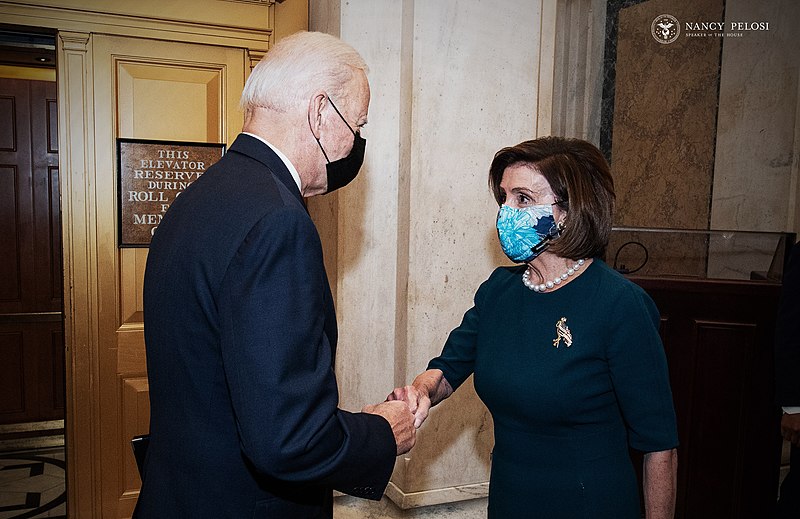
With the bipartisan infrastructure bill signed into law this week, Congress is set to pass another bill that makes up another major part of US President Joe Biden’s agenda. National Economic Council director Brian Deese said that the House would take up a vote on the social infrastructure bill this week.
In his appearance at CNN’s “State of the Union” over the weekend, Deese predicted that the House would vote on the social infrastructure package this week when it returns. Deese said he is confident that House Speaker Nancy Pelosi will bring the proposal to the floor, securing enough votes for the bill to pass and move to the Senate. This follows months of negotiations amongst factions of the Democratic Party regarding the provisions included in the bill.
“We are confident that Speaker Pelosi is going to bring it up and that it will pass this week. We will move forward to the next process and moving it to the Senate,” said Deese.
The social infrastructure package would have provisions to address climate change, paid leave, reduced drug prices, worker training, as well as provisions for care and education. From the original $3.5 trillion price tag spaced out over 10 years, it was reduced to $1.75 trillion.
Deese linked the passage of the bill to inflation, saying during an interview at ABC’s “This Week” that the BBB bill would lower inflation rather than contribute to it. Deese noted that economists have looked over the proposal and concluded that the bill would not add to long-term inflation pressure.
Pelosi had already touted the provisions of the bill during her attendance at the COP26 climate change summit in Glasgow last week. The House Speaker was among the US congressional delegation and Cabinet members in attendance at the conference, following Biden’s attendance at the summit shortly after the G20 conference.
“Our legislation is far-reaching, ensuring that future economy is greener and cleaner,” said Pelosi during a press conference in Glasgow.
“That means $250 billion in clean energy tax credits to develop and deploy the latest in future generations of clean power,” Pelosi added. “That means over $100 billion in addition for resilience including climate-smart agriculture and nature-based climate solutions; another $100 billion toward local and region-led climate and over $222 billion for environmental justice.”







