


 Mike Rogers Calls for End to US-Canada Tariff War
  Trump Backs Florida Golf Course as Presidential Retreat
  Russia Targets Danish Ukraine Suppliers in Sabotage Campaign
  Lula Weighs Alckmin as Finance Minister to Boost Fiscal Credibility
  US-Led Coalition Targets Global Factory Overcapacity
  Tsai Warns of China’s Sustained Pressure on Taiwan
  US Pressures Allies to Distance From Anti-Disinformation Conference
  Rapidus Seeks Chip Customers as Japan Pushes 2nm Semiconductor Revival
  Vance Demands Iran Cut Nuclear Enrichment to End War
  Trump Says He Deserves 2026 Nobel Peace Prize Despite Uncertain Chances
  US, Greece Launch New Counterterrorism Security Program
  Iran Tanker Attacks Surge as Hormuz Oil Flows Near Prewar Levels
  Houthis Strike Aden Airport as Yemen Fighting Escalates
  Trump Envoy Meets Sudan Army Chief in Egypt
  Merz Warns of Extremism After AfD Gains Power in Saxony-Anhalt
  Hegseth Praises USS Abraham Lincoln Crew After Record Iran War Deployment
  Mexico Bars Dual Citizens From Presidential Races Starting in 2028


 Add as a preferred source on Google
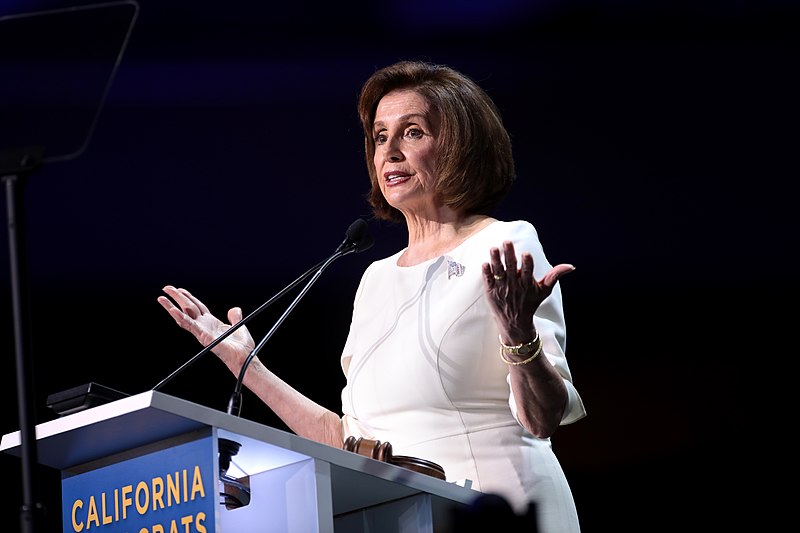
House Speaker Nancy Pelosi is currently tackling the internal rift amongst factions of the Democratic Party while looking to pass the bills that would bring forward US President Joe Biden’s agenda. Following the backtrack of her promise to vote on both infrastructure bills, progressive Democrats have blasted the House Speaker.
Progressive Democratic lawmakers have blasted Pelosi Thursday for backtracking on a pledge she made on voting for both the bipartisan infrastructure bill and the social safety net bill -- both key aspects of Biden’s agenda. This comes as Pelosi has previously stood by her argument that the House would not vote on the bipartisan bill that already passed the Senate unless the upper chamber passes the budget resolution on party lines. In a shift in stance this week, Pelosi told the caucus in a private meeting Monday that the bipartisan infrastructure bill has to go forward ahead of the social spending bill.
At the time, Pelosi said that they must adjust to the changes and that the House cannot wait for the Senate to come to an agreement on the social safety net before taking a vote on the bipartisan bill. Rep. Rashida Tlaib, who is part of the progressive caucus, threatened to vote no on the bipartisan proposal. This stance was also echoed by Rep. Pramila Jayapal, who confirmed that the progressive faction would threaten to oppose the infrastructure bill unless the budget resolution passes the Senate.
Progressives have threatened to vote no on the bipartisan bill out of concern that Senators Joe Manchin and Kyrsten Sinema will vote against the budget reconciliation bill -- both Senators have publicly opposed the bill. Both Senators are speaking with Biden in order to determine the size of the bill. Both of them have opposed the proposal due to the price tag of $3.5 trillion, even as it is spaced out over ten years.
However, in a possible response to the threats from the progressive Democrats, Pelosi hinted Wednesday that the party has to come to a consensus regarding the main text of the budget resolution before the House can vote on the bipartisan bill.
“I think that we come to a place where we have agreement on legislative language -- not just principles -- in legislative language that the president supports,” Pelosi said Wednesday.







