


 Trump Rallies in Texas as Republicans Face Tight Midterm Races
  Trump Backs Florida Golf Course as Presidential Retreat
  ICC Rules Duterte Fit to Stand Trial in Drug War Case
  Mike Rogers Calls for End to US-Canada Tariff War
  Marco Rubio Warns Russia-Ukraine War Could Spark Wider Conflict
  Tsai Warns of China’s Sustained Pressure on Taiwan
  US Pressures Allies to Distance From Anti-Disinformation Conference
  France to Release 10 Million Barrels of Diesel to Ease Fuel Prices
  San Francisco Halts New Data Center Construction With 45-Day Moratorium
  Russia Targets Danish Ukraine Suppliers in Sabotage Campaign
  Saudi Airport Attacks Kill Three as Yemen Fighting Escalates
  US-Taiwan Ties Remain Strong as Taipei Urges Timely Arms Deliveries
  Lincoln University Students Sue Missouri Over Decades of Underfunding
  Italy Approves Electoral Reform Ahead of 2027 Election
  Iran Refuses to Halt Uranium Enrichment Amid US Nuclear Demands
  Pentagon Orders Iran Strike Preparations as Trump Weighs Military Action
  Hegseth Praises USS Abraham Lincoln Crew After Record Iran War Deployment


 Add as a preferred source on Google
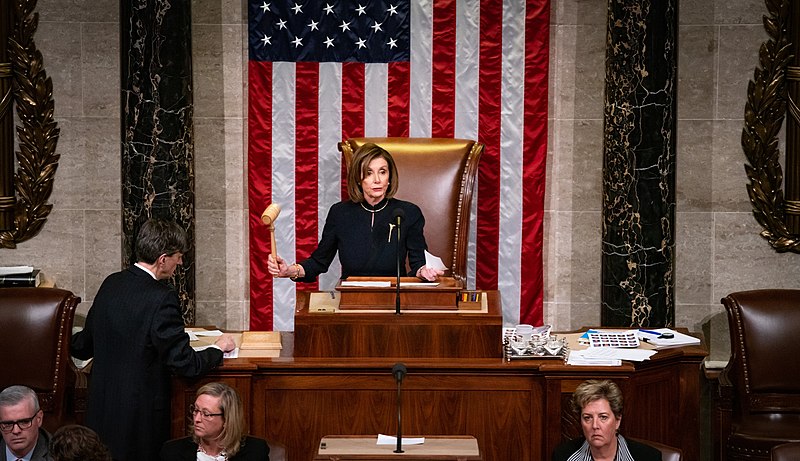
The two main pieces of legislation that would make a big part of US President Joe Biden’s agenda now lie in the House to take a vote on. House Speaker Nancy Pelosi recently rejected the call by centrist Democrat Senator Joe Manchin to take a pause on the massive $3.5 trillion budget resolution.
Pelosi is moving ahead with the $3.5 budget resolution, that the House is set to vote on later this month along with the bipartisan infrastructure proposal that had already passed the Senate. However, Pelosi’s eagerness to already take a vote on the budget resolution would also set up conflicts within the caucus as the moderate faction of the Democrats who may be looking to scale down the price tag.
The West Virginia Senator, one of the two Democrats whose support is key to bringing forward Biden’s agenda, was previously called to take a “strategic pause” on the budget resolution. Arizona Democratic Senator Kyrsten Sinema is also not in favor of the price tag. Pelosi is also unwilling to scale down the price tag.
“Obviously, I don’t agree,” Pelosi told CNN when asked about her thoughts on Manchin’s comments.
“The number is the number. $3.5, we can’t go above that,” added the House Speaker. When Pelosi was pressed on how likely she would be willing to go below the amount, she only responded with “why?”
Manchin has been privately suggesting that he could accept $1 trillion or $1.5 trillion for the reconciliation bill, according to people familiar with the matter. They also revealed that Manchin suggested that the 2017 tax bill he opposed, could be amended to raise enough money to make sure that the proposal is already fully paid for.
Meanwhile, Treasury Secretary Janet Yellen issued a warning to Pelosi that even the smallest indication of a US default can have implications on the country’s financial markets. Yellen also urged Congress to raise the debt limit as soon as possible. Yellen added that lawmakers have until October to do so.
“A delay that calls into question the federal government’s ability to meet all its obligations would likely cause irreparable damage to the US economy and global financial markets,” said Yellen in a letter to Pelosi.







