


 Panama Declares Emergency After 7.7 Earthquake Triggers 200 Aftershocks
  US Senate Midterms 2026: Key Races That Could Flip Control
  Trump Defends Russian Diesel Deal Amid US Sanctions Backlash
  MI5 Warns of Rising Iran, Russia Threats and AI Bioweapon Risks
  Kim Jong Un Showcases ICBM Ahead of Possible Trump Meeting
  Elon Musk Donates $366 Million to 2026 US Midterms
  Jordan Bardella Antisemitism Allegations Threaten Le Pen’s Campaign
  Djibouti Migrant Boat Capsizes, Killing 139 and Leaving 84 Missing
  India Voter List Protests Reach Supreme Court as Opposition Demands Election Chief's Resignation
  Trump Denies China, Russia Are Helping Iran in War
  Trump Denies Russia and China Are Helping Iran in U.S. Conflict
  Zelenskiy Says Ukraine Received No Warning Before Russian Missile Attack
  Mahmoud Abbas Postpones Palestinian Elections to September 2027
  Trump Announces Russia-Ukraine Energy Ceasefire as Zelenskiy Awaits Details
  Pakistan Declares Emergency in Khyber Pakhtunkhwa, Suspends Imran Khan’s PTI Government
  Trump Plans White House Shake-Up of Key AI Safety Agency
  Trump Warns Houthis Over Attacks, Considers Erdogan Intervention


 Add as a preferred source on Google
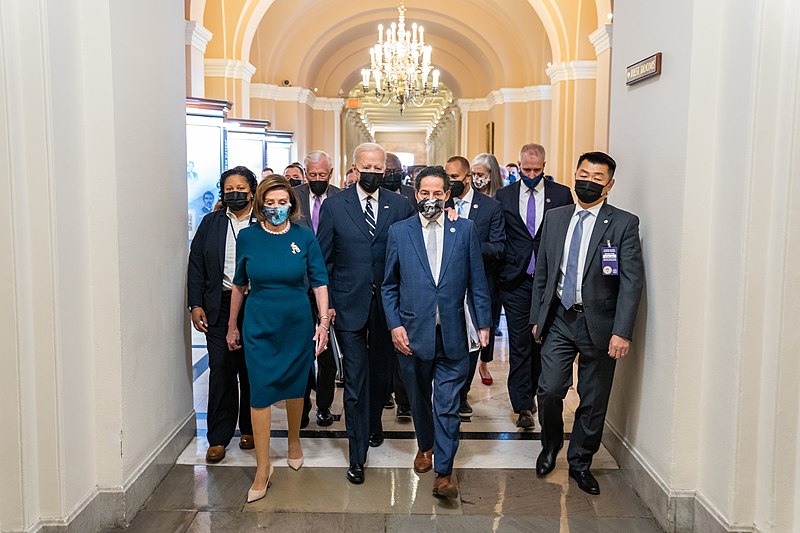
Voting rights have emerged as a major issue following the 2020 elections and efforts by Republican-led legislatures to enact more restrictive voting and election laws. House Speaker Nancy Pelosi recently compared the efforts as a continuation of the January 6 Capitol insurrection.
In her interview on CBS “Face the Nation,” Pelosi compared the Republican-led efforts to implement strict voting and election laws to the Capitol insurrection one year ago. The efforts by Republicans are expected to continue all the way until the November midterm elections that would determine which party or parties control the House and the Senate.
Pelosi also stressed the importance of passing voting rights bills such as the Freedom to Vote Act, which would expand early absentee voting and make it easier for people to follow voter ID laws. The act would also make automatic voter registration the national standard and allow incarcerated people the right to vote again after they finish their sentences.
“What the Republicans are doing across the country is really a legislative continuation of what they did on Jan. 6, which is to undermine our democracy, to undermine the integrity of our elections, to undermine the voting power, which is the essence of a democracy,” said Pelosi.
“There’s nothing more important for us to do than protect our Constitution and democracy,” noted the House Speaker.
Democrats in Congress have made several attempts to pass voting rights bills, which met a dead end in the evenly divided Senate due to unanimous Republican opposition. The key to getting the bills passed is believed to be through revising Senate filibuster rules, which Democratic leaders are prepared to take.
Pelosi also touched on the Build Back Better proposal that awaits passage in the Senate. The California Democrat remained optimistic that a deal could be reached with West Virginia Democratic Senator Joe Manchin, who has previously publicly expressed opposition to the bill.
Pelosi said that she has spoken with Manchin over time and that she believes Congress still has a chance to get the bill to President Joe Biden’s desk to be signed into law.
Manchin announced his opposition to the bill citing concerns over inflation, the national debt, and the ongoing pandemic.







