For years, medical experts have had to struggle against the propensity of human blood to cause havoc in the operations of implants. Now, scientists have created a method that might finally solve this problem by providing implants with blood-resistant properties. If implemented, it could save thousands of lives threatened by complications.
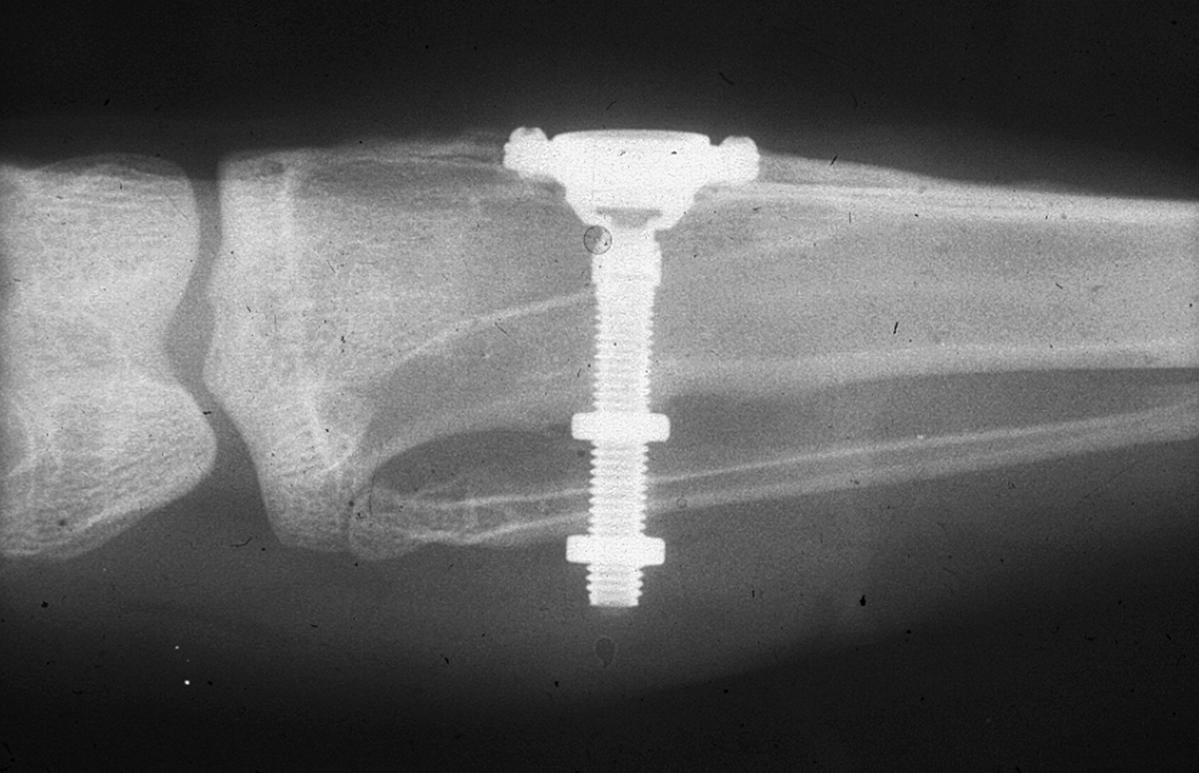
Internal medical equipment like catheters and titanium rods to support broken bones are being used by thousands on a daily basis, and they perform essential life-saving purposes. However, inserting foreign objects into the body does come with some risks, Futurism reports. Chief among them is the blood that tends to clot around the foreign materials, which could cause severe health issues.
Thanks to a new team up between material engineers and biomedical engineers from the Colorado State University, this problem is closer to getting solved. The result of their collaboration is the creation of a surface treatment with “superhemophobic” characteristics. Basically, it creates a coating that will allow materials like titanium to resist blood, thus preventing clotting.
The team published their findings in the Advanced Healthcare Materials magazine. In the paper, the scientists explained how their work could yield significant advancements in creating better medical implants.
“The hemocompatibility of superhemophobic surfaces is investigated and compared with that of hemophobic surfaces and hemophilic surfaces,” the paper’s Abstract reads. “This analysis indicates that only those superhemophobic surfaces with a robust Cassie–Baxter state display significantly lower platelet adhesion and activation. It is envisioned that the understanding gained through this work will lead to the fabrication of improved hemocompatible, superhemophobic medical implants.”
Aside from the considerable difference that the surface brings to preventing blood clots, it also stands to advance the prevention of rejection. Normally, when the body’s immune system detects a foreign object in the body, it activates the defenses in order to fight it off. This leads to inflammation, which has been known to cause death. By applying the surface treatment, the body won’t even know that the foreign object is there.