


 Australia Budget Deficit Narrows to A$22.3 Billion on Stronger Tax Revenue
  BOJ Flags Import Costs and Yen Shocks as Persistent Inflation Risks
  UK Housebuilder Stocks Surge on New First-Time Buyer Loan Scheme
  US Alcohol Ban Exposes Canada’s Internal Trade Barriers
  Yen in Focus as BOJ, Fed Rate Hikes Reshape Currency Markets
  China Industrial Profit Growth Slows as Weak Demand Offsets AI Gains
  Global Central Banks Brace for More Rate Hikes as Inflation Risks Rise
  Gold Holds Near Seven-Week Low as Fed Rate Hike Bets Rise
  Nvidia China Chip Sales Report Sends Chinese Semiconductor Stocks Lower
  RBI Uses $10 Billion Currency Swaps to Drain Excess Rupee Liquidity
  US Stocks Slip as Treasury Yields Ease, AI Trade Rebounds
  XRP Price Targets $1.70 as Bullish Momentum Builds
  U.S. Stock Futures Steady as AI, Rate Concerns Weigh
  Asian Currencies Weaken as Dollar, Oil Prices Rise
  Japanese Yen Retreats as Dollar Rises Ahead of Fed, BOJ Rate Decisions


 Add as a preferred source on Google
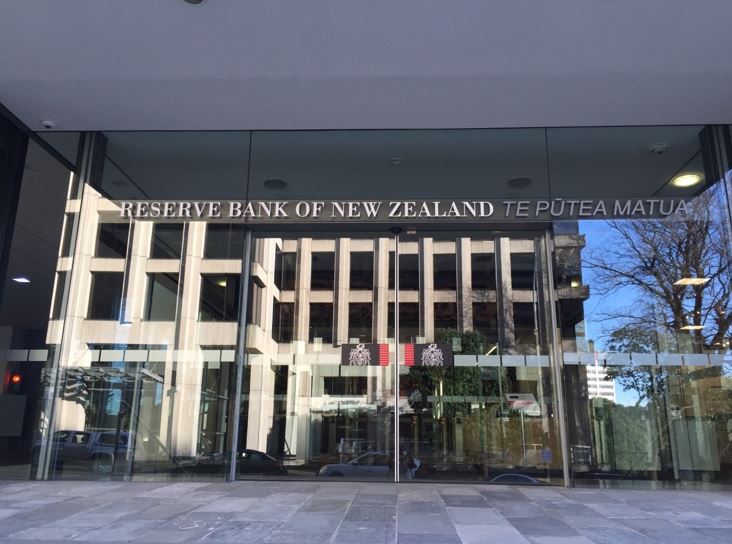
New Zealand’s top five banks have demonstrated strong financial resilience in the face of mounting geopolitical tensions, according to the Reserve Bank of New Zealand (RBNZ). In its latest financial stability review, the central bank revealed that ANZ, Bank of New Zealand (owned by National Australia Bank), ASB Bank (a subsidiary of Commonwealth Bank of Australia), Kiwibank, and Westpac New Zealand are well-positioned to handle severe economic shocks triggered by global instability.
The RBNZ, which oversees the prudential supervision and regulation of New Zealand’s banking sector, conducted the solvency stress test as part of its semiannual review to assess the robustness of the country’s financial system. The findings highlight that these major institutions have significantly strengthened their capital buffers over the past decade, providing a strong defense against potential economic downturns.
According to the central bank, “Large banks have built up capital levels over the past decade and are well placed to withstand a severe scenario induced by worsening geopolitical risks.” However, the report also emphasized that restoring capital ratios to current levels following a severe shock would require considerable time and decisive action from the institutions involved.
The stress test underscores New Zealand’s stable and well-capitalized banking sector, a reassuring signal for investors and consumers alike amid growing global economic uncertainty. With heightened risks stemming from international conflicts, inflationary pressures, and volatile markets, the RBNZ’s findings reinforce confidence in the country’s financial resilience and the prudence of its regulatory framework.
Overall, the review reaffirms that New Zealand’s banking system remains robust, adaptable, and capable of withstanding complex external shocks while maintaining the stability of the nation’s financial landscape.







