


 Pakistan Declares Emergency in Khyber Pakhtunkhwa, Suspends Imran Khan’s PTI Government
  US Judge Blocks Trump Administration’s Taxpayer-Funded Political Ads
  Trump Buys Up to $25M in Meta Stock, Invests in SpaceX Debt
  JD Vance Questions Pentagon Plan to Livestream Fort Hood Shooter’s Execution
  Venezuela’s Machado Calls for Elections by July 2027
  Zelenskiy Slams US Over Deadly Russian Strikes on Ukraine
  Panama Declares Emergency After 7.7 Earthquake Triggers 200 Aftershocks
  Trump Announces Russia-Ukraine Energy Ceasefire Amid U.S. Pressure on Kyiv
  Ripple Chairman Chris Larsen Donates $22.5 Million Ahead of US Midterms
  Houthis Warn Saudi Airports After Deadly Riyadh Attack
  Russian Strikes Kill Six in Ukraine, Including Three in Kharkiv
  Zelenskiy Slams US-Russia Diesel Deal as Funding War
  US, EU Push for Action Against Asia’s Excess Factory Capacity
  Flydubai Co-Pilot Planned Suicide Attack on Israel Airport, UAE Says
  Trump Calls for Zelenskyy Replacement Amid Russian Diesel Deal
  US Charges Maduro and Wife With Torture Conspiracy


 Add as a preferred source on Google
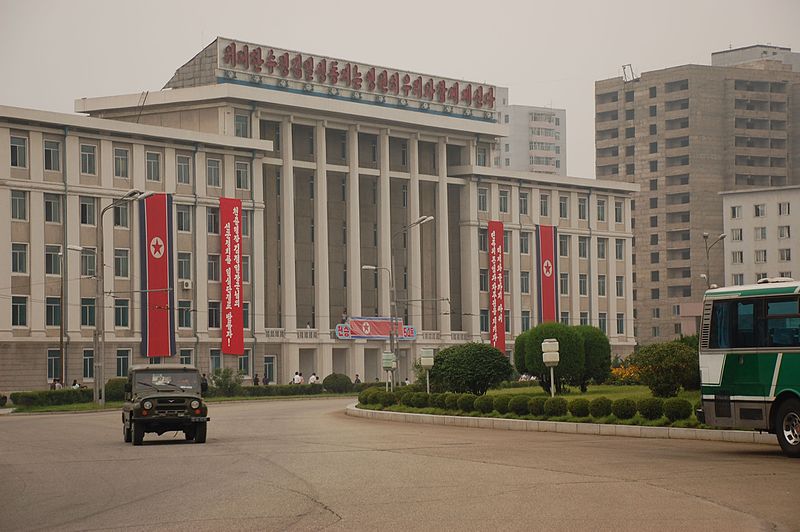
Last week, the United States said its policy on North Korea remains the same. The clarification from Washington follows a remark by a senior US official responsible for nuclear policy that the US is open to engaging in arms control talks with North Korea.
US State Department spokesperson Ned Price said Friday last week that Washington’s policy on North Korea has not changed even after the comments by the agency’s undersecretary of arms control Bonnie Jenkins regarding potential arms control talks with Pyongyang.
“I want to be very clear about this. There has been no change to US policy,” said Price, adding that Washington’s policy on Pyongyang is still its complete denuclearization and that they are still willing to pursue diplomacy with North Korea.
“We will continue to be open to diplomacy with the DPRK, we continue to reach out to the DPRK, we’re committed to pursuing a diplomatic approach. We’re prepared to meet without preconditions and call on the DPRK to engage in serious and sustained diplomacy,” said Price, referring to North Korea by the initials of its official name, the Democratic People’s Republic of Korea.
Another State Department arms control official, Alexandra Bell, also echoed Price’s comments on US policy. Speaking at the same conference that Jenkins addressed, Bell stressed that there was no change in US policy on North Korea. Bell was pressed on whether it was time to accept that North Korea is a nuclear state, the official said no and that they are still open to talks with North Korean officials.
Asia Society’s Daniel Russel, who previously served as Barack Obama’s top US diplomat, said that Jenkins fell for North Korean leader Kim Jong-un’s “trap.”
“Kim would love nothing better than to push his risk reduction agenda – the withdrawal of US troops from Korea,” said Russel.
On the same day, Pyongyang fired two short-range ballistic missiles off the east coast, according to the South Korean military, as South Korean forces were wrapping up nearly two weeks of military drills aimed at deterring North Korea. The missiles were fired from North Korea’s Tongchon in the Gangwon province, four days after both sides exchanged warning shots off the west coast of the peninsula.







