


 New York Declares Measles Disaster Emergency as Cases Surge
  Ethiopia-Tigray Fighting Intensifies as Airstrikes Kill 17
  Zelenskiy Warns Russia Is Preparing Massive Attack on Ukraine
  Becton Dickinson to Invest $3 Billion in U.S. Medical Manufacturing
  Flavio Bolsonaro, Lula Head to Brazil Election Runoff
  Iran Tanker Attacks Surge as Hormuz Oil Flows Near Prewar Levels
  France Student Protests Intensify Nationwide
  ISIS Attack Near Kirkuk Kills Iraqi Policeman After US Withdrawal
  North Korea Slams US Taiwan Arms Sales, Reaffirms Russia Support
  Trump Envoy Meets Sudan Army Chief in Egypt
  Fairshake Backs 32 Pro-Crypto House Candidates
  Lula Weighs Alckmin as Finance Minister to Boost Fiscal Credibility
  Flavio Bolsonaro Surges as Family Scores Brazil Election Comeback
  Russian Bombs Kill Six, Injure Nearly 60 in Kharkiv
  Trump Orders Firing Squad Execution for Fort Hood Gunman
  Trump Opens Tax-Exempt Dyed Diesel Access as Fuel Prices Surge
  US DOT Ends Airline Privacy Review Without Enforcement


 Add as a preferred source on Google
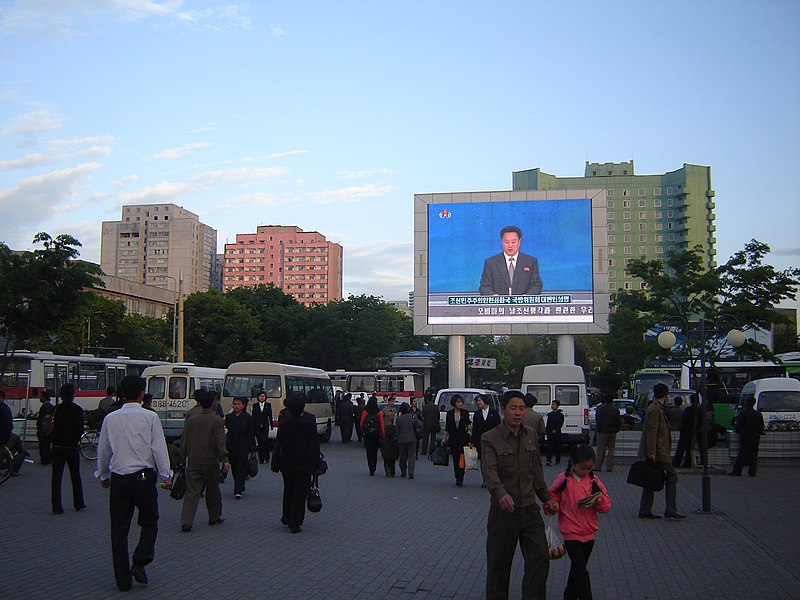
With sanctions by the UN over its nuclear program paired with the pandemic, North Korea is facing a humanitarian crisis. A recent UN report revealed that the isolated nation is also on the brink of a food crisis if no aid is given.
Express reports lawyer and UN investigator Tomas Ojea Quintana released an assessment of the ongoing situation in North Korea. The report found that following the recent floods that North Korea has experienced, the nation may be on the verge of experiencing a food crisis unless help from the international community is given. This is because the agricultural sector in North Korea is struggling with a lack of supplies such as fertilizer, pesticides, and fuel for its vehicles among other items required.
It should be noted that North Korea went into a lockdown in order to protect its citizens from the COVID-19 pandemic. This included a shutdown of the border it shares with China, leading to a halt in the importation of goods from China into the nation. Humanitarian goods are still not allowed into the country as those are considered to be the importation of non-essential supplies.
In terms of the sanctions placed on North Korea by the UN, Ojea Quintana urged the international community to conduct a review in order to urgently address the possible food crisis that could affect many children and the elderly.
“Families can no longer support themselves,” said Ojea Quintana, as the prices of food in North Korea have gone up due to the possible shortage. While Ojea Quintana was appointed in 2016, North Korea has refused to grant him entry into the country so far.
Aside from the possible food crisis, there are also the existing tensions between North Korea, South Korea, and the US. The nation recently held its Defense Development Exhibition where North Korean leader Kim Jong-un gave remarks and posed with the country’s largest missiles such as the Hwasong-16 missile. This came as both North and South Korea are in the midst of an arms race, as North Korea moves to further develop its military arsenal while South Korea ramped up its militarization.







