


 North Korea Fires Ballistic Missiles as Tensions With South Korea Escalate
  Zelenskiy Offers Russia Energy Truce Amid Trump Pressure
  Brazil Election: Lula and Bolsonaro Rally Ahead of October 25 Runoff
  Trump Buys Up to $25M in Meta Stock, Invests in SpaceX Debt
  Trump Announces Russia-Ukraine Energy Ceasefire as Zelenskiy Awaits Details
  Russian Strikes Kill Six in Ukraine, Including Three in Kharkiv
  Pakistan Declares Emergency in Khyber Pakhtunkhwa, Suspends Imran Khan’s PTI Government
  Trump Sanctions International Criminal Court, Sparking EU Backlash
  Trump Secures Russian Diesel Deal as US Fuel Prices Surge
  Zelenskiy Slams US Over Deadly Russian Strikes on Ukraine
  US Judge Blocks Trump Administration’s Taxpayer-Funded Political Ads
  UK Finance Minister Healey Calls for Fiscal Discipline Amid Global Risks
  Ripple Chairman Chris Larsen Donates $22.5 Million Ahead of US Midterms
  Djibouti Migrant Boat Capsizes, Killing 139 and Leaving 84 Missing
  JD Vance Questions Pentagon Plan to Livestream Fort Hood Shooter’s Execution


 Add as a preferred source on Google
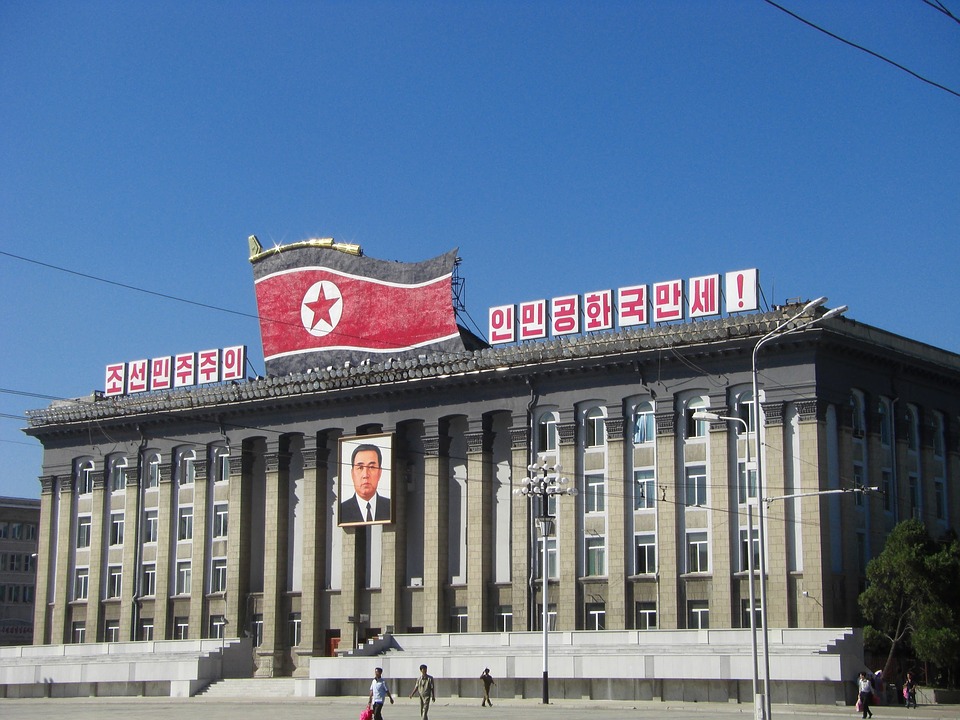
North Korea is set to hold two key meetings in the coming weeks. A review of the country’s anti-epidemic policy is expected to be on the agenda for one of the meetings, even as Pyongyang claimed no new COVID-19 cases since July.
North Korean state media reported that the North Korean Supreme People’s Assembly, the rubber-stamp parliament, will be holding a meeting on September 7 to discuss the law on rural development and organizational matters.
Pyongyang has also moved to hold a national meeting this month to review its anti-epidemic policy “to confirm the new orientation.”
The meeting regarding the anti-epidemic policy comes as North Korea claimed last week that all of its patients who were suffering from fever have recovered, marking the end of the nation’s first surge of COVID-19 since its public admission of the virus back in May.
While Pyongyang has never confirmed how many people were infected with the coronavirus, around 4.77 million fever patients were completely recovered, and 74 died since late April.
KCNA reported that the decision to convene the parliament came amidst a plenary meeting of the SPA’s standing committee. During the weekend meeting, those in attendance adopted the law on medicines to set up a “strict system” to promote public health.
Other issues on the agenda included revising the aerospace development law to “further legalize the activities” in the field and adopting the law of “self-guard” to establish what is described as the “all-people self-guard system” to protect the people’s life and property, according to KCNA.
Tensions still remain in the Korean peninsula as Pyongyang continues to develop its nuclear program and military arsenal with multiple weapons and missile tests this year.
Last week, US House Speaker Nancy Pelosi travelled to South Korea and met her counterpart, National Assembly Speaker Kim Jin-pyo, where both issued a statement agreeing to support deterrence against North Korea and support its denuclearization.
“We agreed to support the efforts of the two governments to achieve practical denuclearization and peace through international cooperation and diplomatic dialogue, based on the strong and extended deterrence against the North,” said the joint statement.







