


 Samsung, SK Hynix Shares Plunge as China Chip Competition Grows
  Binance to Shut Down Crypto Mining Pool Services on November 10
  Samsung, SK Hynix Shares Fall as China's CXMT Advances DRAM Technology
  TSMC Q3 Revenue Beats Estimates as AI Chip Demand Surges
  Airbus Tests Valkyrie Combat Drone in Europe for Eurofighter Integration
  Trump Buys Up to $25M in Meta Stock, Invests in SpaceX Debt
  Moonshot AI Executives Seek Settlement Ahead of Hong Kong IPO
  Apple Supplier Luxshare Faces US Patent Probe, Sees Limited Impact
  Elon Musk Eyes Semiconductor Manufacturing Expansion With $15 Billion Terrafab Project
  Syndax Stock Drops 15% After Axatilimab Trial Failure
  Nvidia’s China AI Chip Market Share Falls to 34% as Huawei Gains Ground
  Arthur Hayes Announces FLOP Testnet Launch Within Weeks
  European Auto Stocks Rise as EU-China Trade Deal Targets Hybrid Imports
  Amazon Cuts More Jobs as AI Investment Expands
  PepsiCo Slashes Poppi Earnout Valuation as Growth Slows
  Visa Wins China Approval to Prepare Domestic Payments Expansion


 Add as a preferred source on Google
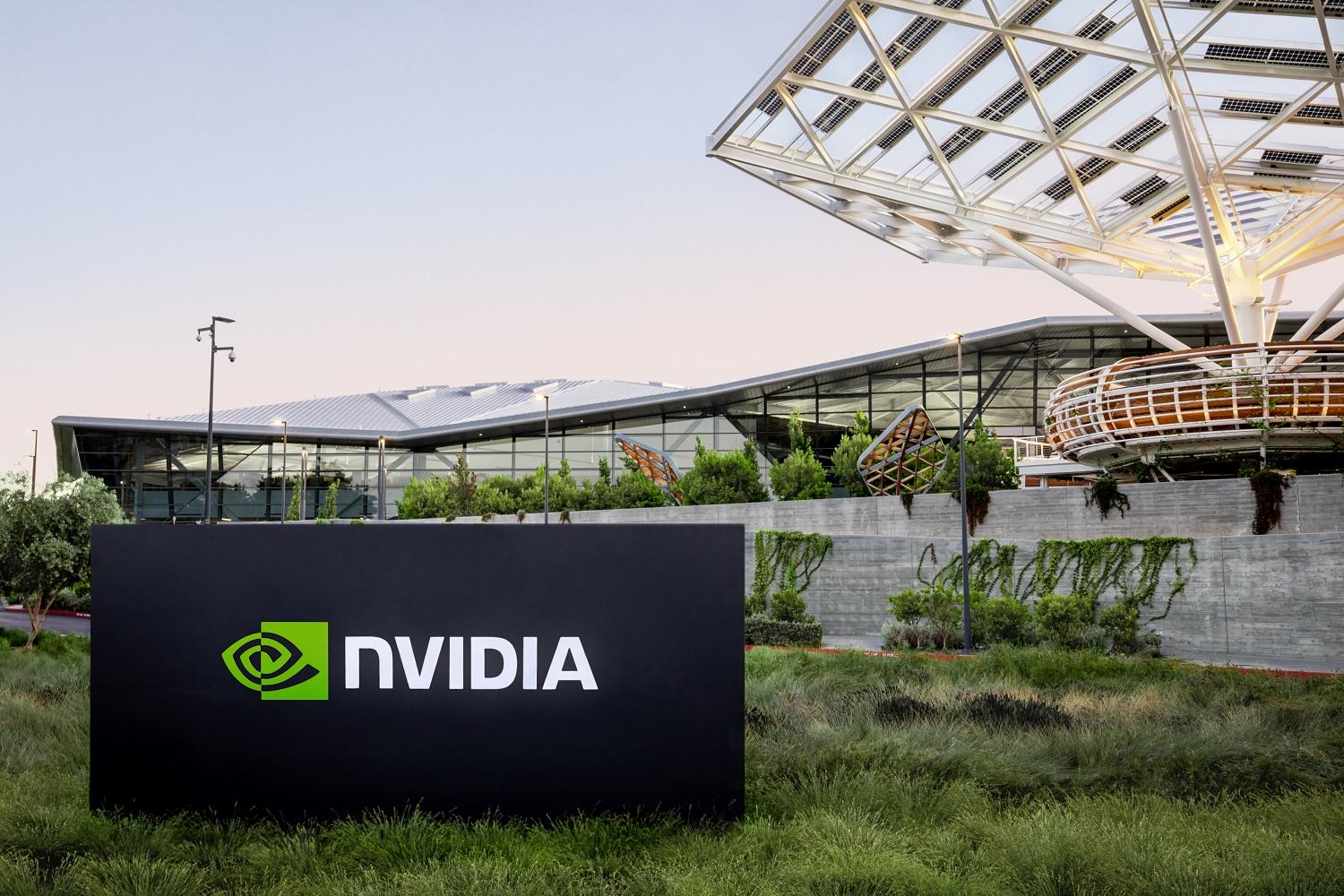
U.S. chipmaker Nvidia has announced its plan to begin mass production of an artificial intelligence (AI) chip designed specifically for China in compliance with U.S. export rules. According to reliable sources, the production is expected to commence in the second quarter of 2024.
Most Powerful Chip for the China Market
Reuters reported that the eagerly-awaited H20 chip is one of the three China-focused chips developed by Nvidia to meet the restrictions imposed in October. Although the original launch in November was delayed, initial production volume will be limited.
Per Market Screener, Nvidia is primarily dedicated to fulfilling orders for major customers.
Chinese companies reportedly exhibit reluctance in adopting the downgraded H20 chip as they seek domestic alternatives, apprehensive of the possibility of tightened U.S. restrictions. Baidu, the leading Chinese search engine company, has recently shifted its focus to AI chips supplied by Huawei Technologies, diverting from Nvidia's offerings.
Apart from the H20 chip, Nvidia also plans to release two additional chips, the L20 and L2, which comply with the updated requirements. However, the chipmaker has yet to disclose any information regarding the sale of these three chips.
Accommodating the Market Demand
In late December, Nvidia unveiled a modified version of an advanced gaming chip that aligns with the new regulatory framework. The company hopes these chips will retain its market share in China, especially after the tightened U.S. export restrictions prevented shipping its A800 and H800 AI chips.
A800 and H800 Alternatives
The A800 and H800 chips were introduced by Nvidia in November 2022 as alternatives for Chinese customers, shortly after the initial restrictions on exporting advanced microchips and equipment to China were implemented.
The H20, L20, and L2 chips retain most of Nvidia's latest AI features, albeit with reduced computing power to conform to the new regulations, as reported by SemiAnalysis' analysis of the chips' specifications.
Photo: Nvidia Newsroom







