


 Unitree Shares Plunge 45% After Blockbuster IPO, Raising China Tech Bubble Fears
  New Zealand Moves to Ban Social Media for Children Under 16
  Countries Tighten Social Media Bans for Children
  Iran Allows Iraqi Oil Tankers Through Strait of Hormuz
  Bashar al-Assad Sentenced to Death by Syrian Court
  California Seeks Paramount Divestitures in Warner Bros. Merger
  New Zealand Labour Backs Social Media Ban for Under-16s
  Brazil Supreme Court Approves Probe Into Lula’s Son Over Health Ministry Lobbying Claims
  U.S. Probes Apex Logistics Over Nvidia AI Chip Shipments to China
  Shein Hong Kong IPO to Raise $1.7 Billion at $26.5 Billion Valuation
  SEC Proposes ‘Regulation Crypto Assets’ Framework for Crypto Fundraising
  Google Changes EU Spam Policy Amid Antitrust Scrutiny
  Trump Buys SpaceX Shares After Record IPO
  Pinterest Stock Falls as CFO Julia Brau Donnelly Resigns
  FCC Steps Up China Tech Crackdown as Beijing Pushes Back
  US Revokes Over 175,000 Visas Under Trump Immigration Crackdown
  SoftBank Plans Record $6.3 Billion Bond Sale to Fund OpenAI Investments


 Add as a preferred source on Google
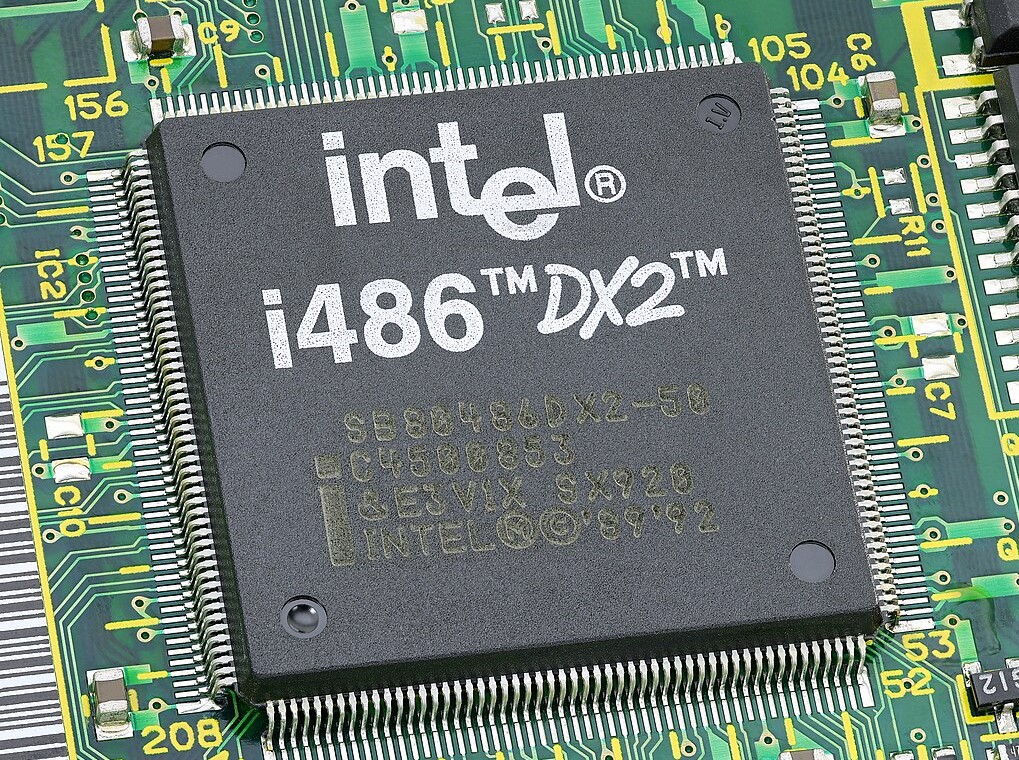
The General Court of the European Union has significantly reduced Intel’s antitrust fine, lowering it from the previously imposed €376 million to €237.1 million ($438 million to $276 million). The ruling, issued Wednesday, marks the latest development in a case that has spanned more than a decade and centers on allegations that Intel engaged in anti-competitive practices to shut out rival chipmaker Advanced Micro Devices (AMD).
In its decision, the Luxembourg-based court stated that the revised amount “is a more appropriate reflection of the gravity and duration of the infringement at issue,” signaling that while Intel’s conduct did violate EU competition rules, the initial financial penalty was higher than warranted. The European Commission, the EU’s primary competition regulator, had reinstated a €376 million fine in 2023 after the same court annulled an earlier and far larger €1.06 billion penalty issued in 2009.
The longstanding dispute focuses on claims that Intel used rebates and incentives to pressure computer manufacturers into limiting or delaying products powered by AMD processors. Regulators argued that such tactics distorted market competition within the semiconductor sector. While the court upheld findings of wrongdoing, it concluded that a recalibrated fine better aligns with the nature and impact of Intel’s actions.
Intel’s renewed challenge sought to overturn the fine entirely, but the court rejected that attempt. The company, one of the world’s largest semiconductor manufacturers, has been engaged in legal battles with EU authorities for years as competition within the global chip market intensifies.
The reduced penalty underscores the EU’s continued scrutiny of dominant tech companies while highlighting the complexity of antitrust cases in rapidly evolving industries. As Intel and AMD remain major forces in the CPU market, the ruling reinforces the importance of maintaining fair competition practices across the tech landscape.







