


 U.S. Probes Apex Logistics Over Nvidia AI Chip Shipments to China
  South Korea Leveraged Chip ETF Trading Plunges After New Rules
  ICE Awards $16.7M Contract for Electric Shock Gloves
  Trump Administration Pauses Visa Appointments Worldwide
  BNP Paribas, KB Kookmin Eye $2 Billion Techcombank Stake
  German Industry Pushes Merz for Tougher China Trade Policy
  Qatar PM Heads to Tehran to Revive Iran-US Diplomacy
  Trump Administration Moves to Strip ABA of Law School Accreditor Status
  Meta Agrees to $18 Billion Settlement, Tightens Teen Social Media Rules
  The Realist’s Case: Lukas Kerrebijn of RD Dubai on the Narrative Dubai’s Agents Won’t Question
  GM Plans C$1.1 Billion Canada Investment Amid U.S. Tariff Pressure
  Trian Drops Wendy’s Take-Private Bid Plans, Shares Plunge 14%
  Honda, Nissan Eye Shared Vehicle Software Platform by 2029
  Trump Administration Plans New Drug Pricing Deals With Biotech Firms
  BofA Names ASML Top Semiconductor Equipment Pick on Growth, Valuation
  Jefferies Names AMEC Top China Semiconductor Equipment Pick


 Add as a preferred source on Google
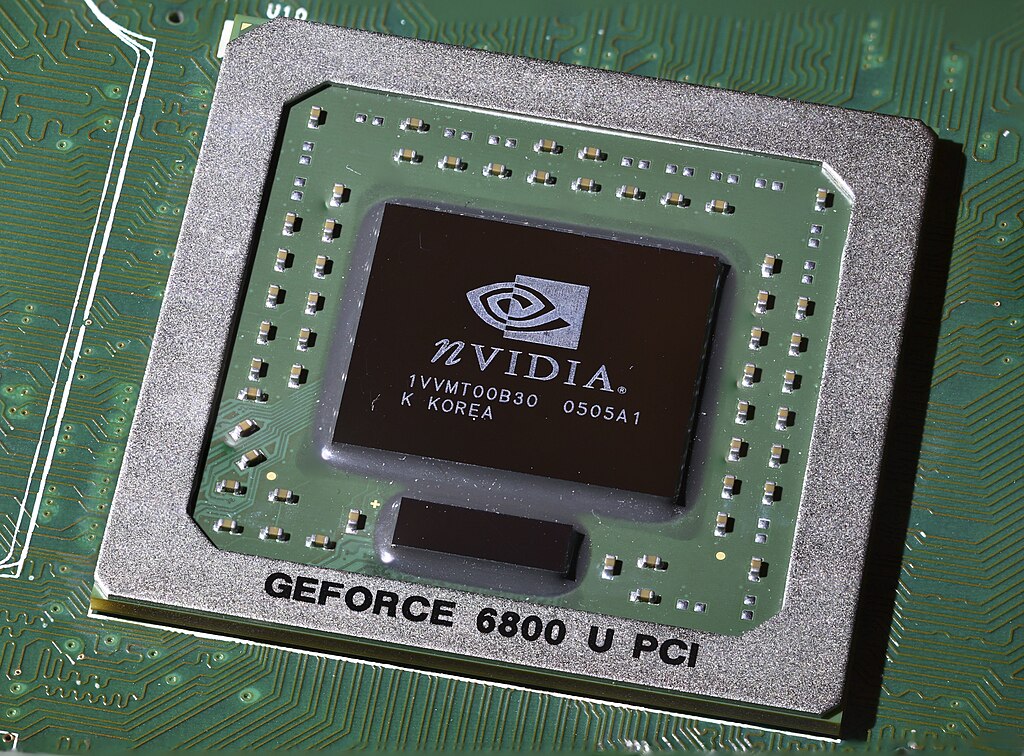
The Trump administration is facing strong backlash from China hawks and Democratic lawmakers after authorizing Nvidia, AMD, and Intel to sell advanced AI chips—specifically Nvidia’s H200—to China. President Donald Trump announced the decision on social media, noting that the U.S. would collect a 25% fee on each sale. Critics argue the move could give Beijing access to technology capable of accelerating its military AI programs.
Brad Carson, former Under Secretary of the Army, warned that the policy “puts our competitive edge up for sale,” emphasizing that China could eventually integrate U.S.-made AI chips into its military systems. Many national security officials see the authorization as a major strategic risk at a time when U.S.–China technological competition is intensifying.
This policy represents a dramatic departure from Trump’s first term, when he aggressively restricted Chinese access to key U.S. technologies, citing intellectual property theft and military concerns. The current administration, guided by White House AI czar David Sacks, argues that allowing controlled chip sales may actually slow the rise of Chinese competitors like Huawei. Sacks claims that if Chinese-designed AI chips dominate global markets within a few years, it would signal a major loss for American leadership.
However, former NSA and Homeland Security official Stewart Baker called that logic unrealistic, stating China will never stop pursuing a fully domestic AI chip industry. Democratic lawmakers echoed the criticism. Senator Ron Wyden accused Trump of being “taken to the cleaners by China yet again,” while Representative Raja Krishnamoorthi labeled the decision “a profound national security mistake.”
China responded by urging the U.S. to maintain stable supply chains, with embassy spokesperson Liu Pengyu expressing hope for constructive actions from Washington. Some analysts, including Chinese military expert James Mulvenon, believe any short-term benefits for China will be temporary, as Beijing’s long-term strategy is to eliminate reliance on Western technology.
The debate underscores growing tension between economic strategy, national security, and technological dominance as the United States navigates its evolving relationship with China.







