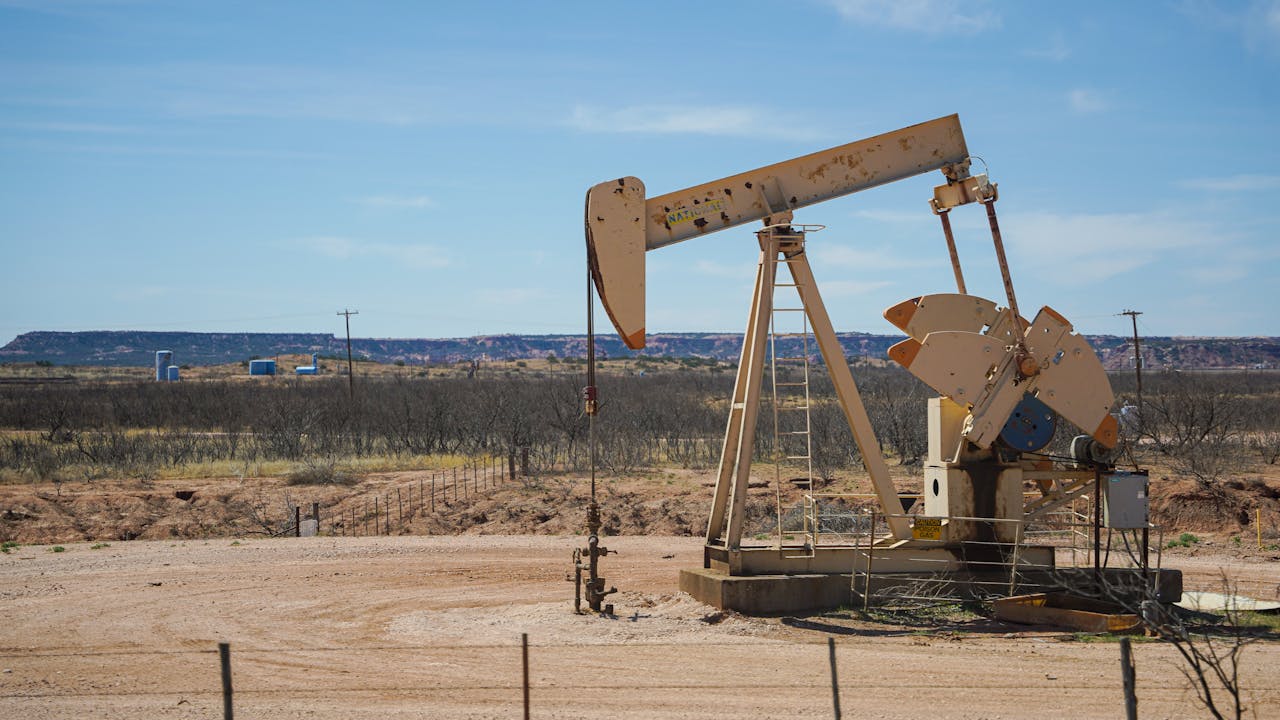
Oil prices extended their decline for a third consecutive session on Friday, weighed down by renewed diplomatic efforts between the United States, Ukraine, and Russia, along with persistent uncertainty over U.S. interest rate policy. Brent crude futures slipped 71 cents, or 1.12%, to $62.67 a barrel by 0212 GMT, following a modest dip in the previous session. U.S. West Texas Intermediate crude also fell 71 cents, or 1.20%, to $58.29 a barrel after closing lower on Thursday. Both major benchmarks are poised to end the week more than 2% lower, reflecting rising concerns about oversupply and softening demand.
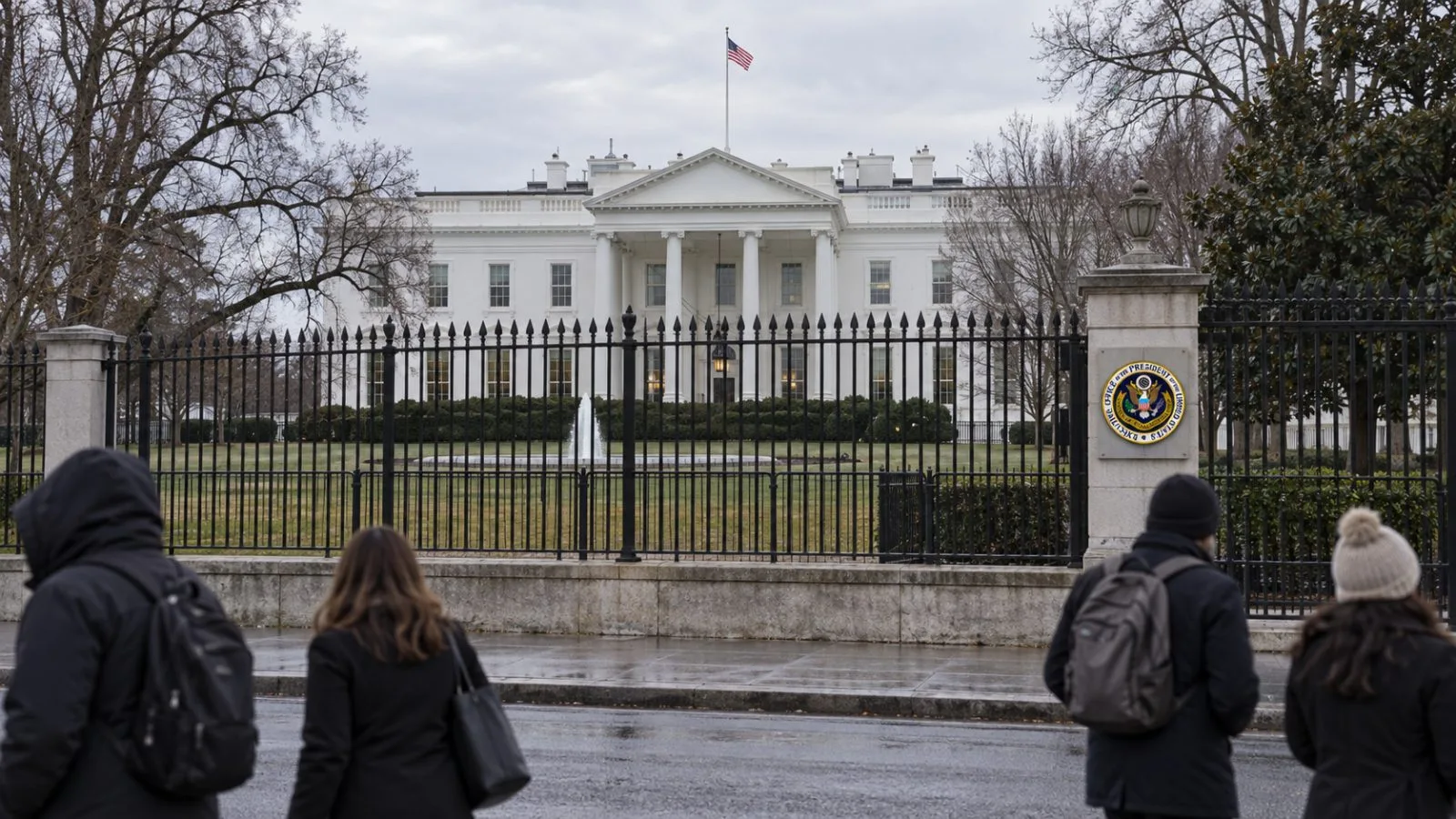
Market sentiment weakened as Washington pushed forward a proposed peace plan aimed at ending the three-year Russia-Ukraine conflict—an agreement that, if reached, could ease geopolitical tensions and potentially restore more Russian oil to global markets. This development comes even as sanctions targeting Russian oil giants Rosneft and Lukoil were set to take effect on Friday. Lukoil, however, has been granted until December 13 to divest its extensive international portfolio, adding another layer of complexity to supply expectations.
Analysts say the mere possibility of a peace breakthrough has been enough to pressure prices. According to IG market analyst Tony Sycamore, even the slim chance of an agreement is eroding the geopolitical risk premium that has long supported crude prices. With Ukraine yet to formally reject the proposal, traders are closely watching for any shifts that could influence global supply dynamics.
Adding further downward pressure, the U.S. dollar strengthened throughout the week, making oil more costly for buyers using other currencies. The greenback is on track for its strongest weekly performance in over a month as investors increasingly believe the Federal Reserve will refrain from cutting interest rates in the near term. This stronger dollar, paired with cautious risk sentiment, has contributed to the ongoing weakness in crude markets.
Overall, a combination of geopolitical developments, economic uncertainty, and currency movements continues to shape oil price trends, leaving investors bracing for more volatility ahead.