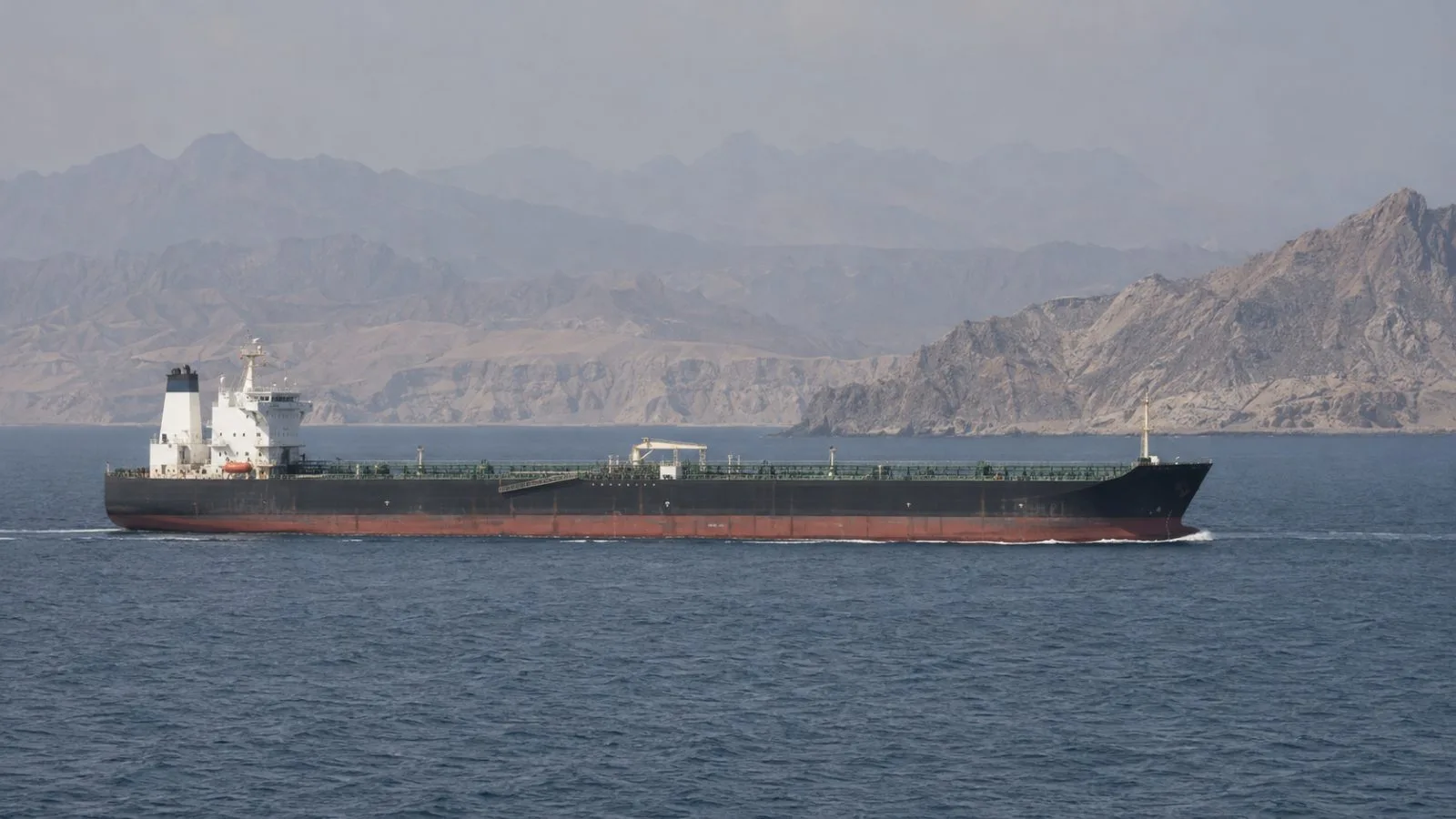
Oil prices steadied near two-week highs during Asian trading Thursday as markets weighed new U.S. trade tariffs and a surprise build in crude inventories. Brent crude futures for September slipped 0.1% to $70.09 per barrel, while West Texas Intermediate (WTI) dropped 0.2% to $68.23. Both benchmarks hovered close to their recent peaks, buoyed by renewed Middle East tensions following Houthi attacks in the Red Sea.
Investor sentiment was rattled by U.S. President Donald Trump’s fresh wave of tariffs. On Wednesday, Trump announced a 50% tariff on copper imports starting August 1, aiming to bolster the domestic copper sector. He also raised tariffs on Brazilian goods from 10% to 50%, intensifying a diplomatic rift with Brazil’s President Lula da Silva, who promised retaliatory measures. Additional 25% tariffs targeting South Korea, Japan, and other key partners further fueled fears of a broad trade war, potentially dampening global demand and weighing on oil outlooks.
Adding to bearish sentiment, the U.S. Energy Information Administration (EIA) reported an unexpected 7.07 million barrel jump in crude inventories for the week ending July 4—the largest increase since January. Analysts had anticipated a 2 million barrel draw, but reduced refinery activity over the holiday likely contributed to the surprise build.
However, a 2.65 million barrel decline in gasoline stocks pointed to strong consumer demand during the July 4 travel period. Still, concerns over a potential supply glut persist after OPEC+ recently announced plans to boost production by 548,000 barrels per day beginning in August.
As geopolitical tensions and trade uncertainties escalate, oil markets remain volatile, caught between demand risks and tightening supply dynamics.