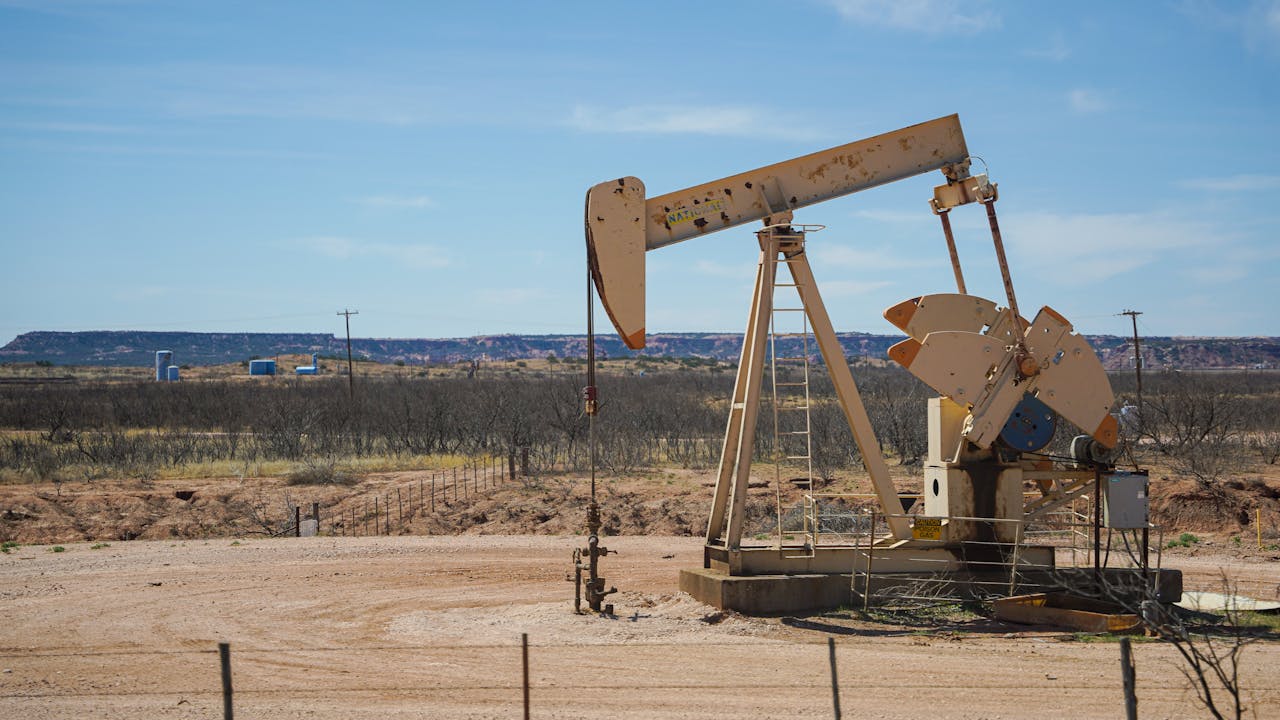
Oil prices edged higher in early Tuesday trading as investors covered short positions following steep losses a day earlier. Brent crude rose 0.8% to $66.77 per barrel, while U.S. West Texas Intermediate (WTI) gained 0.8% to $63.59. Monday’s 2% drop in both benchmarks was driven by signs of progress in U.S.-Iran nuclear talks, which could ease global supply concerns.
The rebound was largely attributed to short-covering, according to Hiroyuki Kikukawa, chief strategist at Nissan Securities Investment. Despite the bounce, Kikukawa warned that lingering fears of a potential recession due to ongoing U.S.-China tariff tensions could cap oil’s upside. He projected WTI to remain range-bound between $55 and $65 amid continued uncertainty.
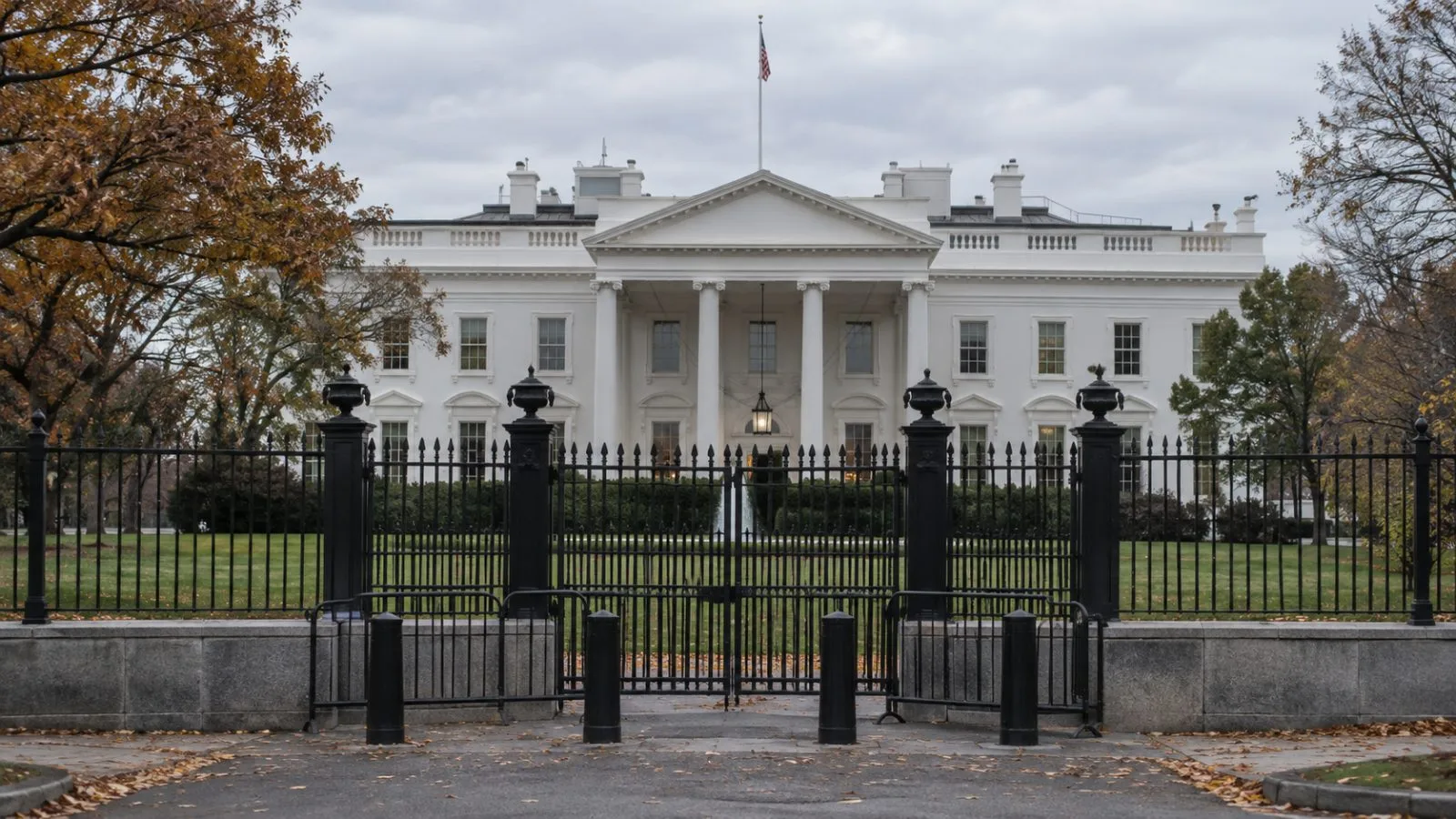
Investor sentiment has been rattled by President Donald Trump’s renewed pressure on the Federal Reserve to cut interest rates. His criticism of Fed Chair Jerome Powell sparked concerns over central bank independence and further weakened the U.S. dollar, which hit a three-year low. Major U.S. stock indices also declined on Monday.
Market fears are growing that policy instability and economic headwinds could suppress oil demand. Kikukawa noted that volatility in financial markets, driven by monetary policy uncertainty, may reduce global crude consumption.
A recent Reuters poll indicated that investors see a 50% chance of a U.S. recession within the next 12 months, largely due to the tariff policy’s anticipated economic drag. This adds to the pressure, given the U.S. remains the world’s largest oil consumer.
Meanwhile, Russia’s economy ministry has revised its 2025 Brent crude forecast downward by nearly 17% from previous estimates. U.S. oil and gasoline inventories were expected to have declined last week, while distillates likely rose, according to preliminary data ahead of official reports.