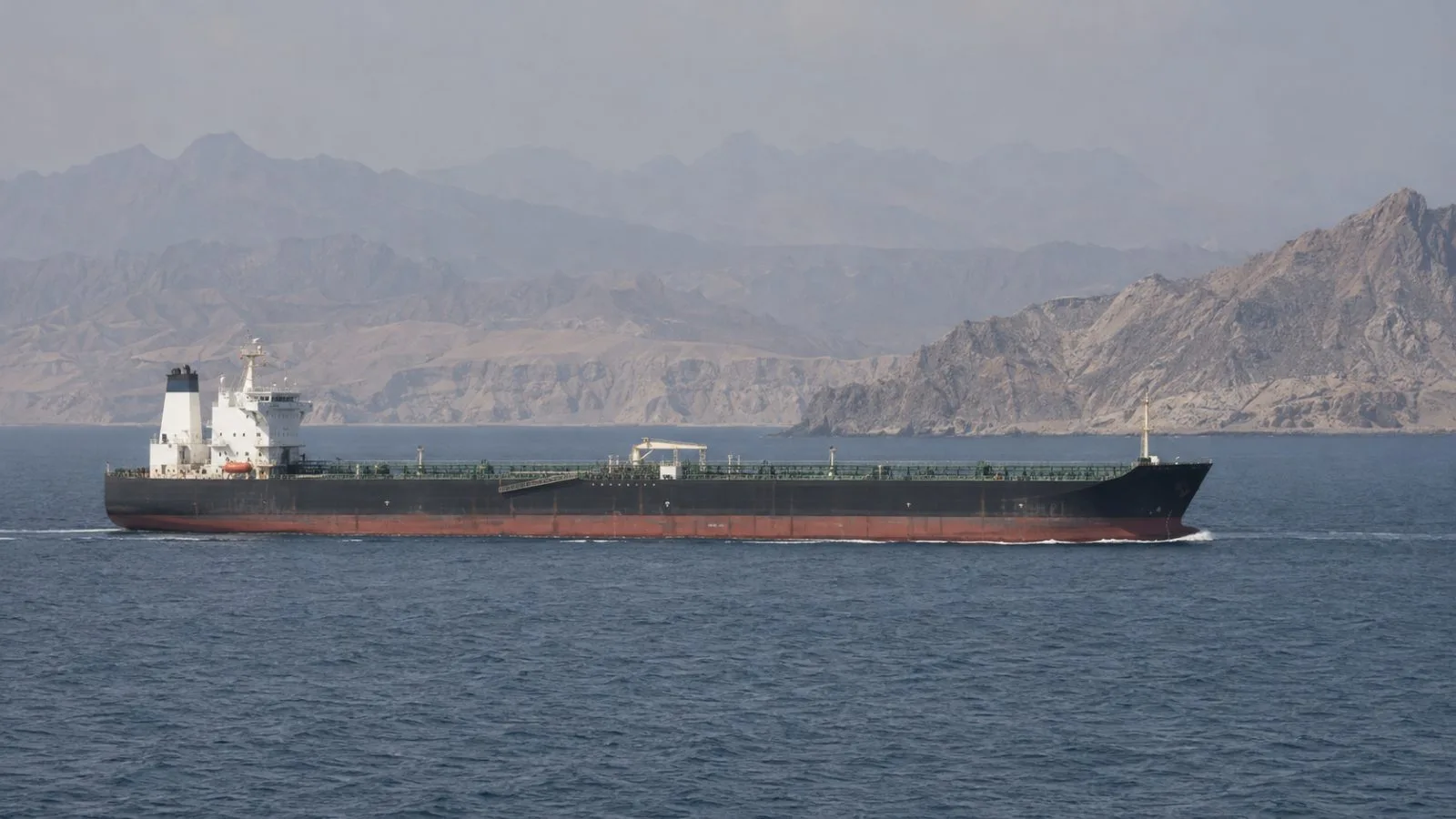
Oil prices fell in early Asian trading on Monday, reversing last week’s gains as crude loadings resumed at Russia’s key Novorossiysk export hub. The Black Sea port, which had halted operations for two days following a Ukrainian attack, restarted shipments on Sunday, easing immediate supply concerns.
Brent crude futures dipped 0.9% to $63.81 a barrel, while U.S. West Texas Intermediate (WTI) slid 1.0% to $59.50 a barrel as of 0050 GMT. The downturn came after both benchmarks climbed more than 2% on Friday, supported by temporary export disruptions at Novorossiysk and a nearby Caspian Pipeline Consortium terminal—an outage that briefly affected about 2% of global supply.
Although operations have resumed, Ukraine’s intensified strikes on Russia’s oil infrastructure continue to keep the market on edge. Over the weekend, Ukraine’s military said it targeted Russia’s Ryazan refinery, while Kyiv’s General Staff reported a strike on the Novokuibyshevsk refinery in the Samara region. Analysts say these attacks raise concerns about longer-term risks to Russia’s crude exports.
Toshitaka Tazawa of Fujitomi Securities noted that investors are weighing the potential impact of repeated attacks while also taking profits after last week’s rally. He added that expectations of an oversupplied market, driven by OPEC+ output increases, persist—keeping WTI likely near the $60 mark within a narrow trading range.
Market sentiment is also influenced by Western sanctions aimed at squeezing Russian oil revenues. The United States has banned dealings with Russian energy giants Lukoil and Rosneft, a move intended to pressure Moscow toward peace talks. President Donald Trump said Republicans are preparing legislation targeting any country that continues to conduct business with Russia, with Iran potentially facing additional restrictions.
Meanwhile, OPEC+ recently approved a 137,000 barrel-per-day increase in December production targets—matching October and November’s hikes—while planning to pause further increases in the first quarter of next year. U.S. oil activity also picked up, with Baker Hughes reporting a rise of three rigs last week, bringing the total to 417.