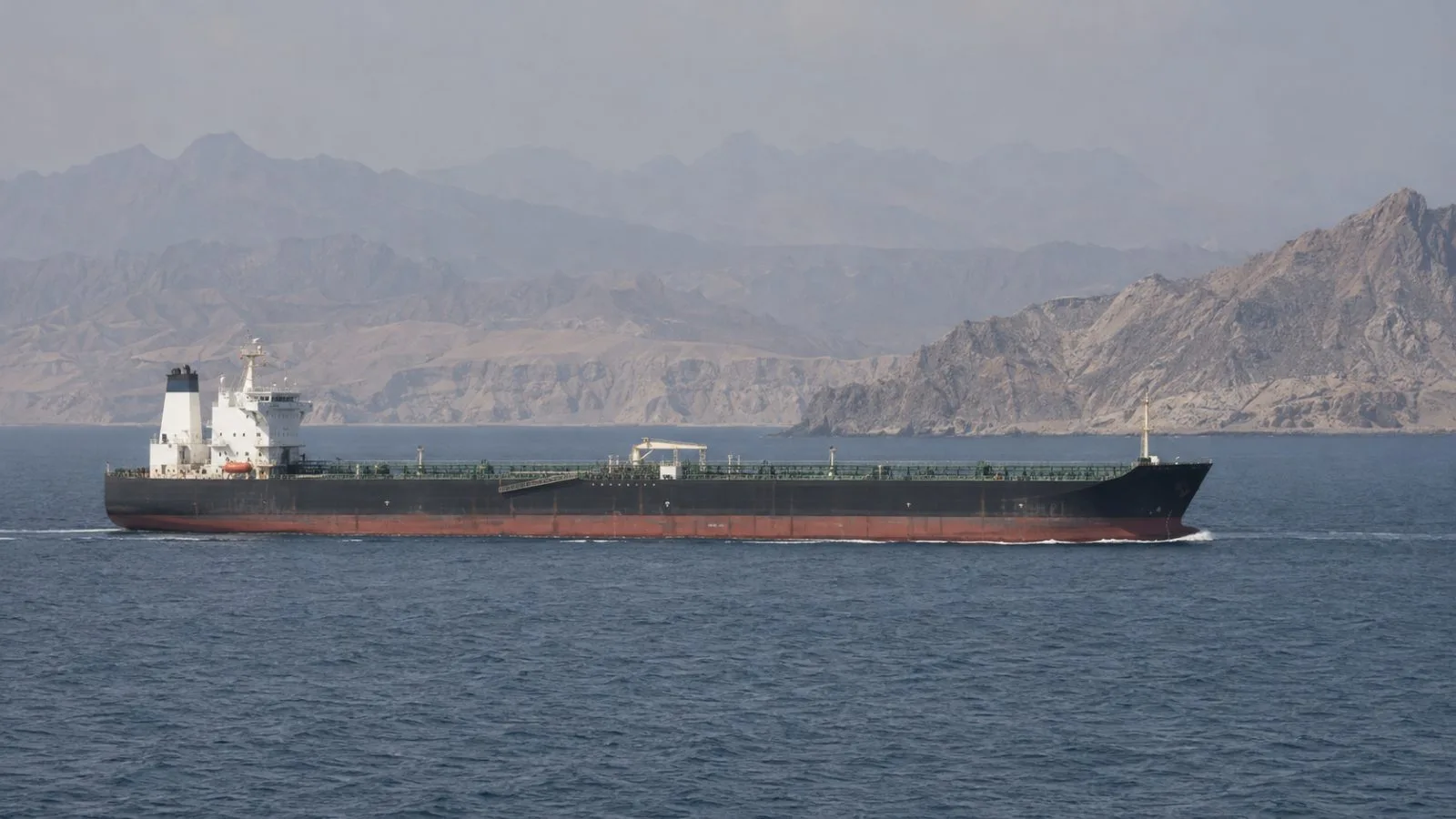
Goldman Sachs analysts say options markets now assign just a 4% probability of oil flow disruption through the Strait of Hormuz following the Iran-Israel ceasefire. This comes after Brent crude spiked to $81.40 earlier in the week on fears Iran could block the critical oil shipping route following U.S. strikes on its nuclear sites. However, prices quickly retreated below $68 after a truce was declared.
According to Goldman, the steep drop in geopolitical risk premium reflects several factors: Iran’s measured response, recent market resilience to geopolitical shocks, and strategic incentives for both the U.S. and China to avoid major supply disruptions. Additionally, the expected build-up of oil inventories this fall has contributed to the calm.
Despite the initial oil price surge, traders appear confident in the stability of global supply. Options data suggest a 60% chance that Brent crude will remain in the $60–$69 range over the next three months. Meanwhile, there's a 28% probability of Brent exceeding $70.
Goldman Sachs also noted that in the event of a disruption in the Strait of Hormuz—through which roughly a fifth of global oil passes—Brent prices could surge to $90 per barrel. However, with the ceasefire in place and diplomatic channels active, the risk of such a scenario appears low.
This outlook has eased fears in energy markets, with oil volatility cooling despite ongoing Middle East tensions. As supply concerns fade and inventories grow, oil markets may see reduced price swings heading into the second half of the year.