


 Tencent Shares Fall as $5 Billion AI Bond Sale Weighed
  Meta Launches Muse Wonder AI Models, Shares Rise 3.7%
  Arthur Hayes Announces FLOP Testnet Launch Within Weeks
  Trump Buys Up to $25M in Meta Stock, Invests in SpaceX Debt
  Moonshot AI Executives Seek Settlement Ahead of Hong Kong IPO
  Amazon Cuts More Jobs as AI Investment Expands
  Samsung, SK Hynix Shares Fall as China's CXMT Advances DRAM Technology
  US Suspends Microsoft, Adobe From Green Card Program
  TSMC Profit Set to Surge 65% as AI Chip Demand Drives Record Earnings
  Epic Games Delays Disney Shooter, Shifts to AI-First Development
  Robinhood Chain Eyes Priority Gas Auctions for Faster Trades
  Yandex Data Center Hit by Drone Strike as Russia-Ukraine Cyber Infrastructure Attacks Escalate
  Zcash Plans Quantum-Resistant Security Upgrade for January
  Jameson Lopp Downplays AI Threat to Bitcoin Cryptography
  Apple Supplier Luxshare Sees Limited Impact From US Patent Probe


 Add as a preferred source on Google
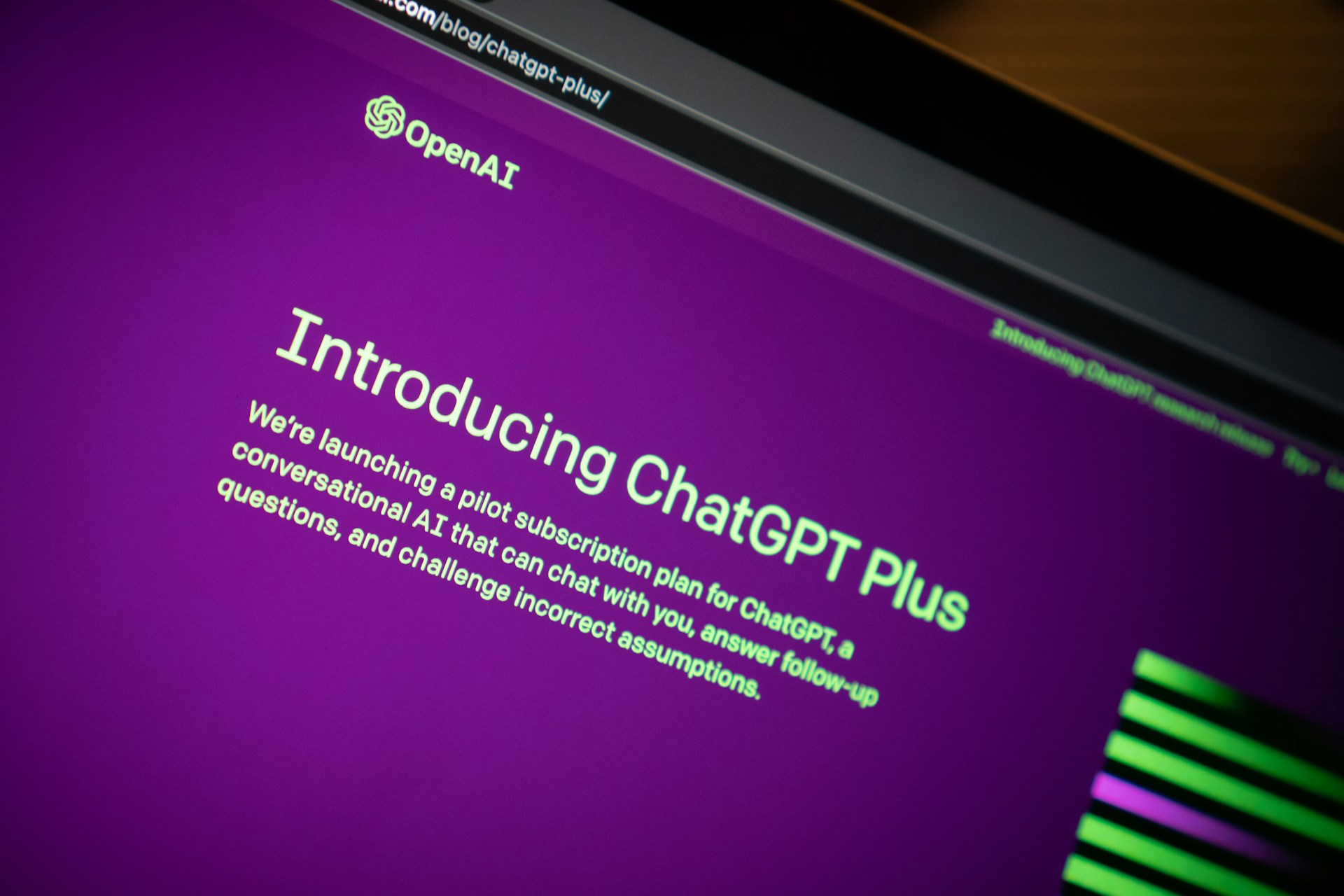
As the race in generative AI heats up, OpenAI may opt for an incremental update with GPT-4.5 this year, sidestepping the substantial resource demands a full leap to GPT-5 would entail.
Resource Constraints May Steer OpenAI Toward GPT-4.5 Amid Rising AI Development Costs
Although GPT-4 is currently at the pinnacle of the increasingly complex realm of generative artificial intelligence, its competitors, such as Anthropic's Claude and Meta's open-source Llama, continue to improve, demanding another version of OpenAI's flagship Large Language Model (LLM). While many expect Sam Altman's non-profit to release GPT-5 in 2024, several observers believe that these expectations are unrealistic, especially given the size of the necessary resources.
According to Dan Hendrycks (via Wccftech), director of the Center for AI Safety, each incremental iteration of OpenAI's GPT LLM necessitated a tenfold increase in computer resources. As a result, if OpenAI skips GPT-4.5 and goes straight to GPT-5, it will have a 100x increase in computing requirements compared to GPT-4, which is comparable to running around 1 million H100 chips for three months straight.
This assumption is confirmed by the words of Anthropic's CEO, Dario Amodei, who recently stated that it currently costs roughly $1 billion to train a cutting-edge LLM, with the cost projected to rise to between $5 billion and $10 billion by 2025/26. Importantly, $1 billion in training costs corresponds to a 10x increase in computational resources that may be reasonably inferred for GPT-4.5.
AI's Power Surge: NVIDIA's New H100 Units to Match National Energy Usage Amid Rising AI Competition
According to a recent report, NVIDIA's H100 units, which will be deployed this year, are estimated to consume approximately 13,000 GWh of electricity per year, similar to Lithuania and Guatemala's annual electricity consumption. By 2027, worldwide data center power usage will skyrocket to 85 to 134 TWh (terawatt-hours).
GPT-4's competitors are quickly catching up. Look no further than Meta's Llama 3 LLM (70 billion parameters), now ranked fifth on the Arena leadership board. Critically, Llama 3 outperforms all other open-source LLMs, even without the planned 405-billion-parameter model.
Some experts feel that for GPT-5, OpenAI will need to alter the "original curriculum," which now relies on "poorly curated human conversations" and a "naive" training procedure. This supports our original hypothesis that OpenAI will release an iterative GPT-4.5 model this year rather than upending the stakes entirely with GPT-5.
Photo: Jonathan Kemper/Unsplash







