


 US Alcohol Ban Exposes Canada’s Internal Trade Barriers
  Nasdaq Futures Jump as Micron Earnings Boost AI Trade
  Australia Trade Surplus Shrinks Sharply as Imports Surge
  US Dollar Hits Two-Month High as Aussie, Pound Slide
  India Manufacturing Growth Hits Seven-Month High in September
  Fed Unveils Stablecoin Rules Under GENIUS Act
  Dollar Hits Three-Month High as US Treasury Yields Surge
  Asian Currencies Mixed as Yen Weakens, RBA Hike Looms
  Gold Plunges 4% as Treasury Yields Surge and Fed Rate Hike Bets Rise
  US Treasury Bond Buybacks Fall Short Despite Expanded $6 Billion Cap
  RBA Hikes Interest Rate to 4.60% as Inflation Risks Rise
  Japanese Yen Retreats as Dollar Rises Ahead of Fed, BOJ Rate Decisions
  Asian Currencies Mixed as Yen Slides on BOJ Rate Signals
  US Stocks Slip as Treasury Yields Ease, AI Trade Rebounds
  South Korea Exports Surge 83.5% on AI Chip Boom


 Add as a preferred source on Google
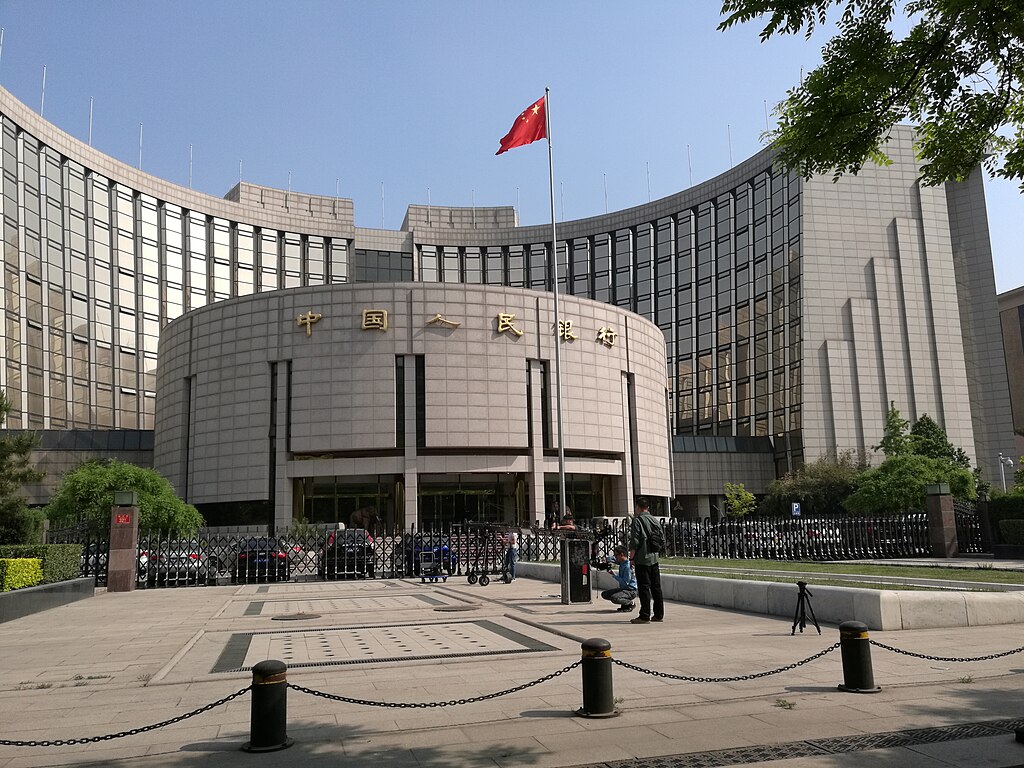
The People’s Bank of China (PBOC) held its benchmark loan prime rate (LPR) steady on Monday, aligning with market expectations and emphasizing its shift toward fiscal tools to support growth rather than further monetary easing. The one-year LPR remains at 3.1%, while the five-year LPR, a key reference for mortgage rates, stays at 3.6%—both at historic lows following a series of rate cuts in recent years.
The LPR, which influences lending costs across China, is determined based on quotations from 18 major banks. Although previous rate reductions offered temporary economic relief, the PBOC now has limited room for additional cuts. As a result, Chinese policymakers are pivoting to fiscal measures to drive domestic demand and stabilize key sectors.
Recent government proposals include expanded social welfare programs and subsidies for consumer goods to stimulate household spending. These steps are part of a broader effort to counter headwinds facing the world’s second-largest economy.
China’s GDP grew 5.4% in the first quarter of 2025, beating expectations and reflecting a strong rebound in consumer activity and targeted support policies. The solid start to the year highlights the effectiveness of ongoing stimulus efforts, even as broader challenges remain.
Investor sentiment, however, remains subdued amid rising trade tensions with the United States. Washington’s latest tariff actions, which include tighter restrictions on Chinese tech and manufacturing imports, pose a significant risk to China’s export-driven economy. As external pressures mount, Beijing’s reliance on domestic consumption and fiscal intervention is likely to deepen.
The PBOC’s decision to keep rates steady underscores a strategic balancing act—maintaining financial stability while encouraging economic recovery through non-monetary means.







