


 Pi Network Price Holds $0.087 as Protocol 28 Mainnet Upgrade Nears
  Bitget Resumes Crypto Withdrawals After $388M Security Breach
  BOJ Set to Raise Rates to 1.25% as Inflation Risks Build
  Yen in Focus as BOJ, Fed Rate Hikes Reshape Currency Markets
  Gold Cracks Below $4150 as Hawkish Fed Sparks Yield Surge — Bears Target $4000 if $4100 Support Gives Way
  Bitwise Launches NEAR ETF as $562 Bull Case Fuels AI Crypto Buzz
  ECB May Stop Rate Hikes After December, Capital Economics Says
  BOJ Flags Import Costs and Yen Shocks as Persistent Inflation Risks
  Aztec Revives zk.money for Private Ethereum Payments
  Fed Unveils Stablecoin Rules Under GENIUS Act


 Add as a preferred source on Google
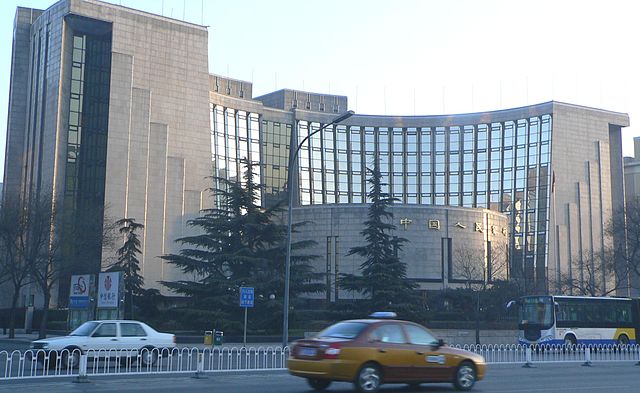
It may prove unwise to rely on People's Bank of China's (PBoC) measures to pop up financial markets. Sell offs already showed signs of reverse before the stimulus was announced. S&P 500 jumped back sharply from 1830 area to trade as high as 1950 yesterday, while Yen pared its massive gain from 116 to 120 area.
While PBoC's stimulus today of 25 basis points rate cut and 50 basis points reserve ratio cut, may help the economy by lowering real interest rates, it is unlikely to prevent financial turmoil in China as well as emerging markets.
It is not just a thought but a lesson from PBoC's recent history of intervention.
- 21st November, 2014 - PBoC cuts rates for first time since 2012. 40 basis points lending rate to 5.6% and 25 basis points deposit rates to 2.75%.
- 28th February, 2015 - 25 basis points lending rate to 5.35% and 25 basis points deposit rates to 2.5%.
- 19th April, 2015 -Reserve requirement ratio cut by 1%.
- 10th May, 2015 - 25 basis points lending rate to 5.1% and 25 basis points deposit rates to 2.25%.
- 27th June, 2015 - 25 basis points lending rate to 4.85% and 25 basis points deposit rates to 2%.
- 25th August, 2015 - 25 basis points lending rate to 4.6% and 25 basis points deposit rates to 1.75%.
Throughout this period of loosening of monetary policy China's benchmark stock index, Shanghai Composite has travelled from 2500 to trade as high as 5200 around and dropped to 2960 area and all that with high level of volatility.







