


 Bumble Shares Surge 50% on $1 Billion Buyout Talks
  Nasdaq Falls as Oil Prices Surge Ahead of Bank Earnings
  PepsiCo Slashes Poppi Earnout Valuation as Growth Slows
  Syndax Stock Drops 15% After Axatilimab Trial Failure
  UK Finance Minister Healey Calls for Fiscal Discipline Amid Global Risks
  OpenAI Uses AI to Uncover Hidden Recording Device, FBI Makes Arrest
  Fed's Hammack Urges Faster Rate Hikes to Fight Inflation
  Gold Prices Mixed Ahead of US Inflation Data and Fed Rate Outlook
  Kalshi Seeks Sixth Circuit Review of Sports Betting Ruling
  US Dollar Near 18-Month High Ahead of Inflation Data
  New York Times, AFP Join Coalition to Protect Content From AI
  Most Americans Oppose Election Betting on Prediction Markets, Poll Finds
  Visa Wins China Approval to Prepare Domestic Payments Expansion
  Interactive Brokers Launches Ethereum Staking With Zerohash
  Binance to Shut Down Crypto Mining Pool Services on November 10
  Asian Stocks Plunge as AI Chip Selloff Hits South Korea and Japan
  South Korea Blocks 27 Crypto Exchange Websites in Regulatory Crackdown


 Add as a preferred source on Google
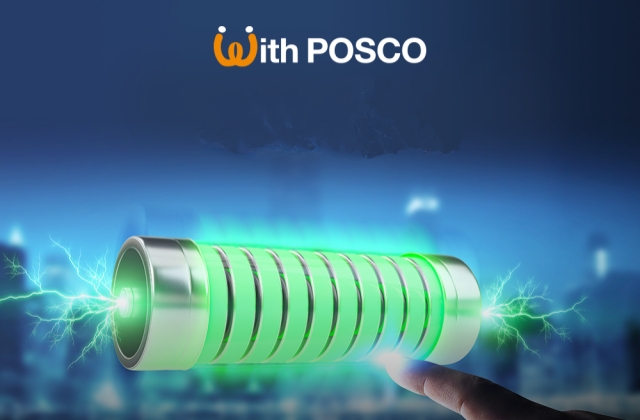
POSCO, the South Korean steel-making company, is building the country’s very first lithium factory. The Pohang-headquartered firm is the fifth largest steelmaker in the world based on the output.
It was reported that this plant is expected to yield at least 43,000 tons of lithium hydroxide a year and aims to help the local electric vehicle battery makers by supplying the needed core cathode material and effectively reducing their reliance on imports. The plan to construct the lithium factory was revealed on Wednesday, April 14.
Details of the soon-to-rise POSCO lithium plant
The factory will be built in South Korea and it will mainly operate for the extraction of lithium hydroxide which is a primary material for producing electric vehicle batteries. POSCO is planning to source the spodumene from which the lithium hydroxide is extracted from Australia.
As per Yonhap News Agency, the steelmakers’ board of directors consented to the plan of constructing the lithium factory last week. The construction will start soon and it is expected to be completed in 2023 in the industrial city of Gwangyang, South Jeolla Province.
The lithium hydroxide that will be produced here annually is said to be enough to supply for the production of around one million EVs. This is the first lithium plant in South Korea that will be built by a Korean company thus it is considered a landmark project in the country.
POSCO’s joint investment project
In any case, Pulse News reported that the plant is not POSCO’s project alone because it is said to be seeking a joint investment agreement with another firm. It was mentioned that the South Korean steel company is joining forces with Pilbara Minerals, a lithium producer based in Australia.
The two parties are now in talks to make a decision regarding the investment and capital ratio. Once the agreement is reached, POSCO and Pilbara Minerals will begin the construction at once.
Finally, with the soon-to-rise lithium plant in Gwangyang, POSCO will achieve its goal of helping EV battery makers in the country since it is guaranteed to lessen the need for lithium imports from China, the U.S. and South America.







