


 BlackRock’s Rick Rieder Favors Bonds Over Stocks as Treasury Yields Surge
  ECB May Stop Rate Hikes After December, Capital Economics Says
  Australia Inflation Accelerates to 4% After RBA Rate Hike
  Asian Currencies Mixed as Yen Weakens, RBA Hike Looms
  RBA Hikes Interest Rate to 4.60% as Inflation Risks Rise
  BOJ Set for 25-Basis-Point Rate Hike as Yen Weakness Fuels Inflation
  Oil Prices Steady as Middle East Crude Flows Recover
  Asian Stocks Fall as Bond Yields and Oil Prices Surge
  Fed’s Hammack Says Bond Yield Surge Is Not Driven by Inflation Fears
  Fed Unveils Stablecoin Rules Under GENIUS Act
  U.S. Stock Futures Fall as Iran, Oil and AI Risks Rattle Markets
  BOJ Flags Import Costs and Yen Shocks as Persistent Inflation Risks
  Fed Unveils Stablecoin Rules Under GENIUS Act
  Gold Holds Near Seven-Week Low as Fed Rate Hike Bets Rise


 Add as a preferred source on Google
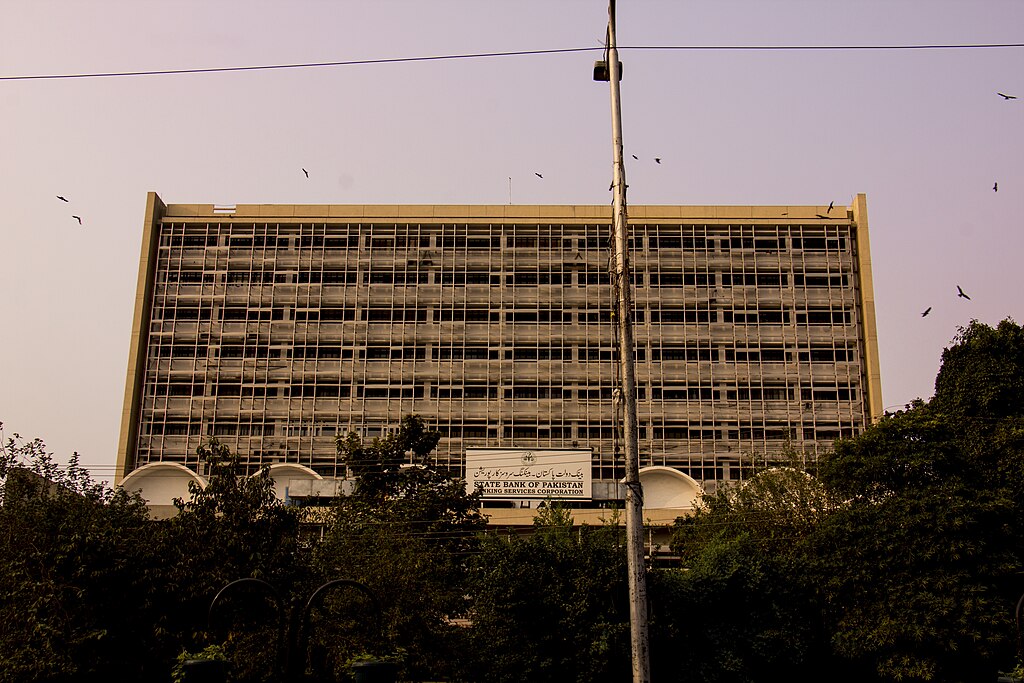
Pakistan’s central bank is widely expected to reduce its key policy rate by 50 basis points to 10.5% on Wednesday, according to a Reuters poll, as slowing inflation and stronger external reserves create room for further monetary easing.
All 14 analysts surveyed anticipate a rate cut, with the majority projecting a 50 bp reduction. Four expect a deeper 100 bp cut, while one forecasts a 25 bp move. Consumer price inflation dropped to 3.2% in June, and average inflation for the fiscal year ending June 30 plunged to a nine-year low of 4.49%, down from 23.4% the previous year.
Analysts note that real interest rates remain positive, suggesting more cuts could follow. However, they caution that rising imports and renewed currency pressures require a measured approach. The State Bank of Pakistan (SBP) has already lowered rates from a record 22% since June 2024, pausing briefly amid geopolitical tensions before resuming easing in May.
Foreign reserves have climbed to over $14 billion, supported by inflows from the International Monetary Fund’s $7 billion program and bilateral financing. The rupee recently faced renewed pressure, prompting authorities to crack down on informal dollar trade to stabilize the exchange rate.
S&P Global recently upgraded Pakistan’s credit rating to ‘B-’ from ‘CCC+,’ citing improved fiscal conditions and stronger reserves. Analysts expect gradual rate reductions to continue into 2026 as the economy stabilizes and government borrowing costs remain high.
SBP Governor Jameel Ahmad has signaled a cautious stance, emphasizing that policy will remain tight enough to keep inflation within the 5–7% target range while supporting external account stability.







