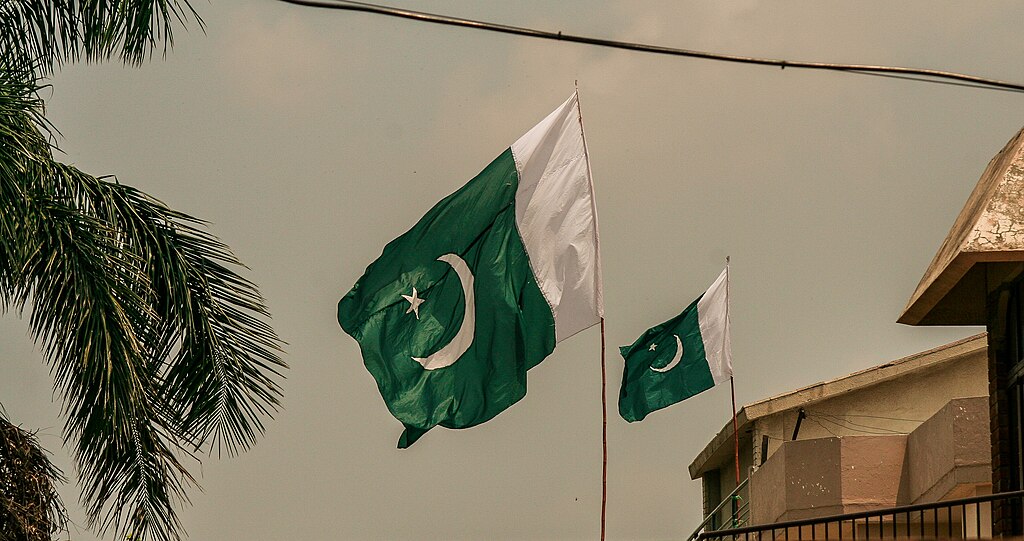
Pakistan has reportedly paused a $1.5 billion defense deal to supply weapons and fighter jets to Sudan after Saudi Arabia withdrew financial backing and urged Islamabad to abandon the agreement. According to Pakistani security and diplomatic sources, the decision reflects shifting geopolitical priorities and growing pressure from key allies.
The proposed arms deal, initially revealed earlier this year, was said to be in its final stages and had been facilitated by Saudi Arabia. However, Riyadh’s refusal to fund the transaction has effectively stalled progress. Saudi Arabia remains one of Pakistan’s most important economic and strategic partners, providing crucial financial assistance to support the country’s struggling economy. The two nations also strengthened ties last year through a mutual defense pact, further deepening their alliance.
The Sudan conflict, involving the national army and the paramilitary Rapid Support Forces (RSF), has evolved into one of the world’s most severe humanitarian crises. The ongoing violence has devastated the country for nearly three years, drawing in foreign interests and raising concerns about regional stability in the Red Sea area, which is also rich in gold resources.
Sources indicate that Saudi Arabia’s decision may have been influenced by advice from Western countries to avoid involvement in proxy conflicts in Africa. Although Saudi Arabia publicly supports a diplomatic resolution in Sudan and backs the national army, it has become increasingly cautious about deeper engagement. Meanwhile, the United Arab Emirates has faced accusations of supporting the RSF, though it denies these claims.
A key meeting in Riyadh between Sudanese military leaders and Saudi officials in March reportedly led to the withdrawal of financing for the deal. Additionally, another potential $4 billion arms agreement between Pakistan and Libya’s eastern-based forces is now uncertain, as Saudi Arabia reassesses its broader strategy in conflict zones across Africa.
This development highlights the complex interplay of international alliances, defense exports, and regional conflicts shaping global security dynamics.