


 FCC Approves Foreign Investment in $110B Paramount-Warner Bros. Deal
  Who should own the knowledge that underpins AI technology?
  Trump Administration Pauses Visa Appointments Worldwide
  Trump Grants Clemency to Jay-Z Associate Emory Jones
  Trump Administration Removes Confederate Memorial Criticism From Arlington Website
  Brazil Warns EU of Retaliation Over Animal Products Ban
  US-China Experts Push AI Nuclear Safeguards to Prevent Military Escalation
  France Targets Shein, Temu With Fast-Fashion Fees
  Houthis Seize Bab el-Mandeb as Military Power Grows
  Pentagon Restarts Testosterone Testing for US Troops
  US Officials Meet Houthis in Oman Amid Yemen Offensive
  Rodrigo Duterte Makes First Public Appearance at ICC in 18 Months
  South Korea’s Lee Rules Out Military Role in Middle East War
  SEC Seeks ISS Client Voting Records in Proxy Adviser Probe
  FBI, Coast Guard Board Ships After Cyberattacks
  Saudi Arabia Shuts East-West Oil Pipeline After Drone Attack
  US Allies Fear Trump Could Soften Taiwan Stance in Xi Talks


 Add as a preferred source on Google
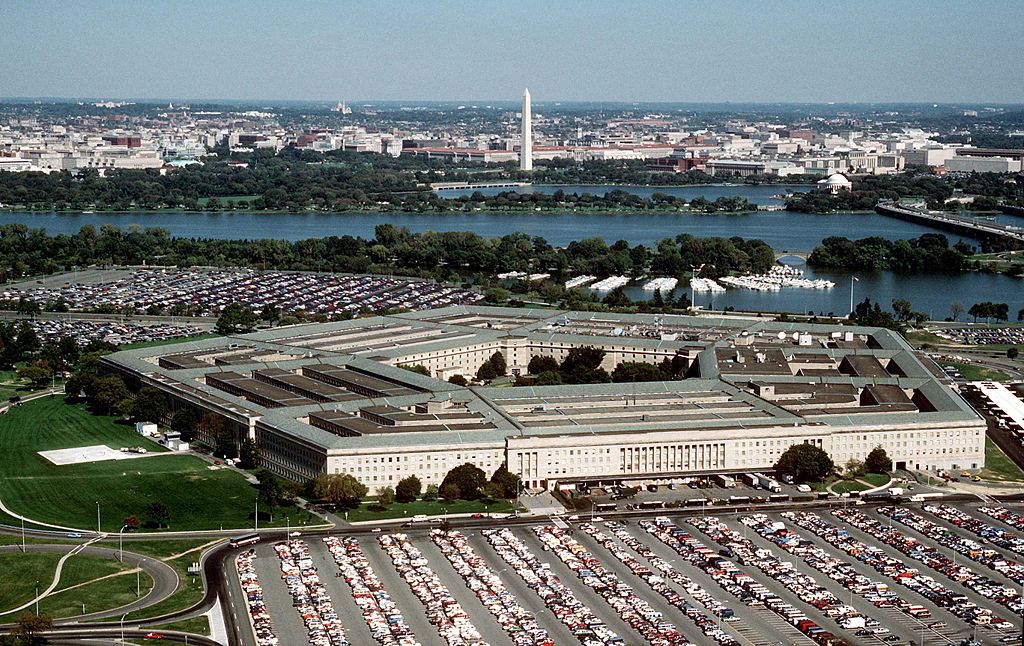
U.S. Secretary of Defense Pete Hegseth has issued a new directive requiring Pentagon staff to seek permission before engaging with members of Congress, according to a department memo and a congressional aide. The policy, first revealed by Breaking Defense, underscores the Pentagon’s growing efforts to manage information flow within the world’s most powerful military.
The memo, dated October 15, states that the “Department of War” must maintain a unified message when interacting with lawmakers. It emphasizes the need for “coordination and alignment of Department message when engaging with Congress to ensure consistency and support for the Department’s priorities to re-establish deterrence, rebuild our military, and revive the warrior ethos.”
The renaming of the Defense Department to the Department of War—announced by President Donald Trump—remains pending congressional approval. If enacted, it would mark one of the most significant bureaucratic shifts in U.S. defense history, symbolizing a more assertive military posture.
Pentagon spokesman Sean Parnell described the move as a “pragmatic step” designed to review and streamline internal communication processes, stressing that the memo “does not change how or from whom Congress receives information.”
Lawmakers serving on defense committees have already been informed of the directive, according to congressional aides. The change follows recent developments that have raised transparency concerns, including new press restrictions that forced dozens of Pentagon journalists to vacate their offices and surrender credentials.
This tightening of communication channels reflects the administration’s broader push to centralize control over defense-related information. Critics argue it could limit oversight, while supporters claim it will strengthen message discipline and national security cohesion.







