


 US Charges Maduro and Wife With Torture Conspiracy
  Trump Rallies in Texas as Republicans Face Tight Midterm Races
  Berlin Coalition Talks Advance After Left Party Antisemitism Deal
  US Pressures Allies to Distance From Anti-Disinformation Conference
  Saudi Airport Attacks Kill Three as Yemen Fighting Escalates
  Hegseth Praises USS Abraham Lincoln Crew After Record Iran War Deployment
  US-Led Coalition Targets Global Factory Overcapacity
  Venezuela’s Machado Calls for Elections by July 2027
  Trump Buys Up to $25M in Meta Stock, Invests in SpaceX Debt
  Flavio Bolsonaro Leads Lula 49%-45% in Brazil Runoff Poll
  Marco Rubio Warns Russia-Ukraine War Could Spark Wider Conflict
  RFK Jr. Launches Nationwide Vaccine Safety Review
  Maduro, Wife May Face New US Torture Charges
  Trump Says He Deserves 2026 Nobel Peace Prize Despite Uncertain Chances
  US-Taiwan Ties Remain Strong as Taipei Urges Timely Arms Deliveries
  Pentagon Orders Iran Strike Preparations as Trump Weighs Military Action
  Saudi Arabia Probes Flydubai Cockpit Attack


 Add as a preferred source on Google
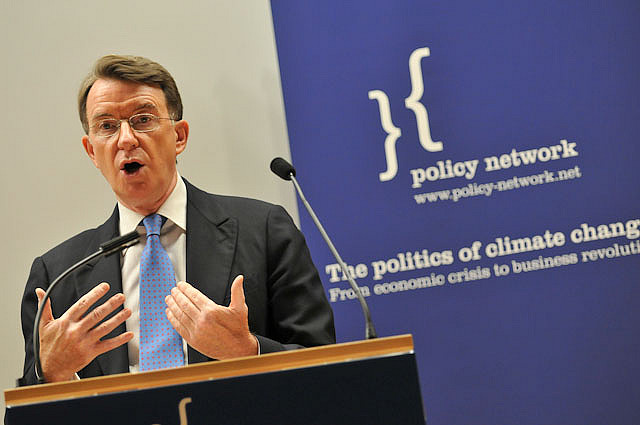
Former British government minister Peter Mandelson has resigned from Prime Minister Keir Starmer’s Labour Party following renewed media scrutiny over his past connections to disgraced U.S. financier Jeffrey Epstein. The development comes after fresh reports emerged based on files released by the U.S. Department of Justice, prompting Mandelson to step down to avoid causing further controversy for the party.
In a letter to the Labour Party reported by the BBC and other UK media, Mandelson said he was “regretful and sorry” to be associated once again with the furor surrounding Epstein. While strongly denying allegations that he received financial payments from Epstein, Mandelson stated he intended to investigate the claims but felt it was appropriate to relinquish his party membership during that process. He emphasized that his decision was driven by a desire not to embarrass Labour or distract from its political priorities.
Mandelson’s resignation follows his dismissal last year as Britain’s ambassador to the United States, a role he lost after U.S. lawmakers released documents highlighting his past relationship with Epstein. Among those documents was a letter in which Mandelson referred to Epstein as “my best pal,” intensifying political pressure and public criticism.
A central figure in Labour’s rise to power during the Tony Blair era of the 1990s and early 2000s, Mandelson played a key role in shaping the party’s electoral strategy and modernization efforts. However, his career has been marked by controversy. He resigned as trade minister in 1998 over an undeclared loan used to purchase a home and again left the cabinet in 2001 following allegations linked to a passport application involving an Indian billionaire, though he was later cleared of wrongdoing.
Currently on leave from the House of Lords, Mandelson also previously served as European Union trade commissioner. Separately, Prime Minister Keir Starmer recently stated that Britain’s former Prince Andrew should testify before a U.S. congressional committee regarding his own ties to Epstein, underscoring the continued political fallout from the case.
This latest resignation highlights how renewed revelations about Jeffrey Epstein continue to reverberate through British politics, affecting high-profile figures and reigniting debates over accountability, transparency, and political integrity.







