
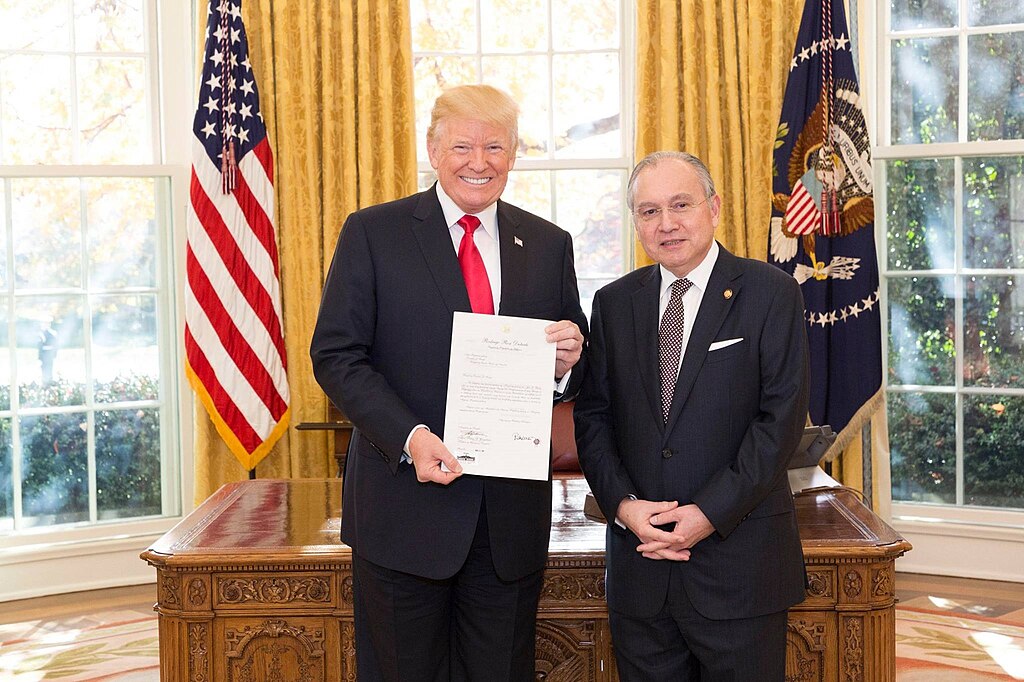
The Philippines is seeking to negotiate lower tariffs with the United States after Washington imposed a 20% duty on imports from Manila, up from the previously proposed 17%. Philippine Ambassador to the U.S. Jose Manuel Romualdez confirmed the planned negotiations, stating in a message, "We are still planning to negotiate that down," without specifying a target rate.
The increased tariffs, announced by U.S. President Donald Trump in an August 1 notice, affect several trading partners including the Philippines. The decision comes amid rising trade tensions and a broader reassessment of American trade policies.
Bilateral trade between the U.S. and the Philippines reached an estimated $23.5 billion in 2024, according to the Office of the United States Trade Representative. U.S. exports to the Philippines totaled $9.3 billion, showing a modest 0.4% increase from 2023. Meanwhile, Philippine exports to the U.S. surged 6.9% to $14.2 billion, resulting in a $4.9 billion trade deficit for the United States—up 21.8% from the previous year.
The hike in tariffs could impact major Philippine exports such as electronics, machinery, and agricultural products. While the Philippine government has yet to issue an official statement, the country appears poised to enter formal discussions aimed at reducing the newly imposed duties.
As trade relations between the two long-standing allies face new challenges, analysts say the outcome of the negotiations could significantly affect bilateral economic ties, especially given the growing importance of Southeast Asia in global trade dynamics.
The Philippines' attempt to ease U.S. tariffs comes at a time when both nations are strengthening security and diplomatic ties, highlighting the broader stakes of this economic dispute.


