


 Najib Razak Granted House Arrest Until 2028
  UN Allows Mahmoud Abbas Video Address After US Visa Denial
  South Korea’s Cho Hyun to Meet Rubio in Washington
  Paris Talks Focus on Lebanon Army Needs as UNIFIL Exit Looms
  Yemen Fighting Threatens Red Sea Oil Routes
  Australia Tightens Student Visa Rules, Targets Migration Cut by 2028
  South Korea’s Lee Rules Out Military Role in Middle East War
  Trump Hopes Iran War Nears End as Yemen Fighting Escalates
  US Confirms Weapons in Orbit as Space Tensions Rise
  ICE Agent Arrested in Minneapolis Over Venezuelan Man Shooting
  US Officials Meet Houthis in Oman Amid Yemen Offensive
  US Delegation Visits Myanmar, Secures Release of American Adam Castillo
  Venezuela Nears Deal to Move $4 Billion in Gold to New York Fed
  Japan, U.S. Discuss $19 Billion GlobalFoundries Chip Plant
  Guterres Urges Stronger Global AI Safeguards Ahead of UN Assembly
  Trump Threatens EU Tariffs Over Canada Membership Proposal
  FBI, Coast Guard Board Ships After Cyberattacks


 Add as a preferred source on Google
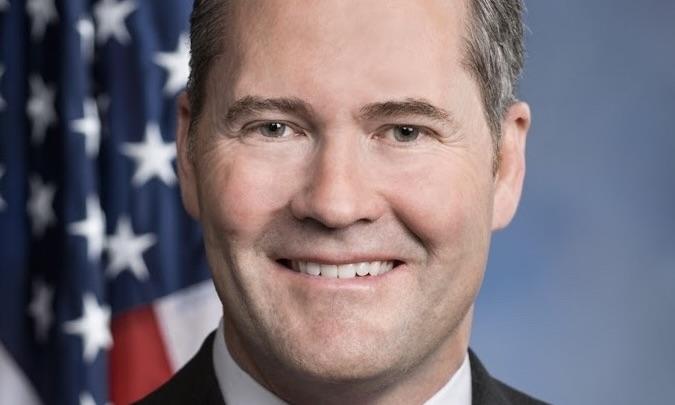
President-elect Donald Trump's designated National Security Adviser, Representative Mike Waltz, has issued a stern warning to any entity considering the detention of American citizens. In a recent statement, Waltz emphasized that such actions would result in significant repercussions, including potential financial sanctions and, in extreme cases, military intervention.
Firm Stance Against Hostage-Taking
Waltz, a Republican from Florida and a former Green Beret, articulated the incoming administration's uncompromising position during an interview on Fox News. He stated, "You take an American, you illegally detain them, if you're a nation-state or if you're a terrorist, you hold them hostage, there is going to be all hell to pay." He further warned of "nothing but consequences for you financially and maybe even a bullet in your damn forehead if you take an American, period."
Reestablishing Deterrence
Waltz's comments underscore the Trump administration's intent to reestablish deterrence against adversaries who target U.S. citizens. He emphasized the need for a proactive approach, stating, "We need to start going on offense and start imposing higher costs and consequences to private actors and nation-state actors that continue to steal our data, that continue to spy on us."
Public Reaction
The public's response to Waltz's statements has been mixed. Twitter user @LibertyLover expressed support, stating, "Finally, a strong stance to protect Americans abroad. It's about time!" Conversely, @PeaceAdvocate cautioned, "Threatening violence only escalates tensions. Diplomacy should be the first course of action." User @MilitaryMom added, "As a parent of a servicemember, I appreciate the commitment to safeguarding our citizens." However, @GlobalCitizen warned, "Such aggressive rhetoric could endanger Americans traveling or working overseas." Meanwhile, @CyberSleuth emphasized, "Addressing cyber threats with offensive strategies is necessary in today's digital age." Lastly, @HumanRightsWatch reminded, "While protecting citizens is crucial, adherence to international law must guide our actions."
Policy Implications
Waltz's appointment and his assertive declarations indicate a forthcoming shift in U.S. national security policy. The emphasis on imposing severe consequences for hostile actions against Americans suggests a move towards a more aggressive deterrence strategy. This approach aims to dissuade adversaries from engaging in activities detrimental to U.S. interests, including cyberattacks and the unlawful detention of citizens.
As the Trump administration prepares to assume office, the international community is closely monitoring these developments. The proposed policies reflect a commitment to protecting American citizens and interests worldwide. However, the balance between assertive deterrence and diplomatic engagement will be critical in navigating complex global challenges.







