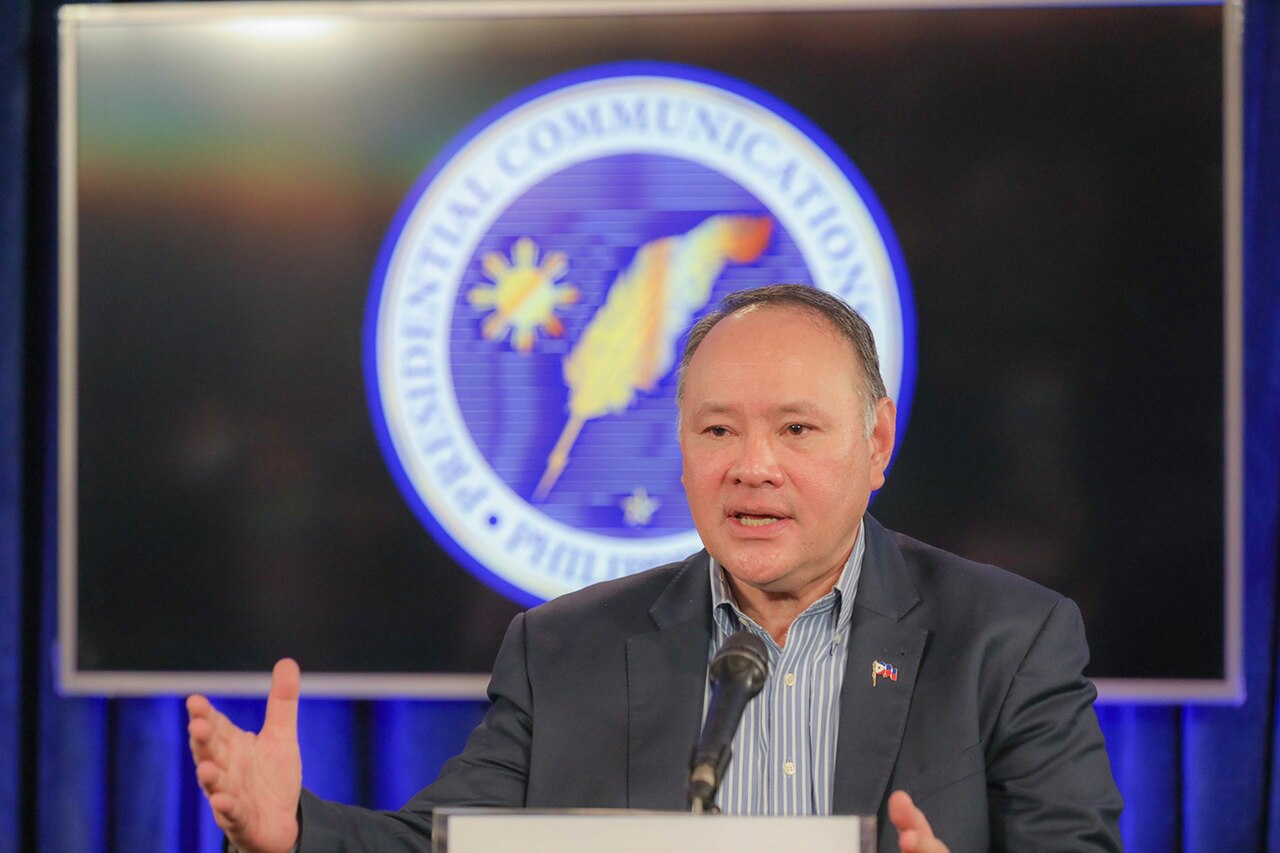
Philippine Defense Secretary Gilberto Teodoro has revealed that the use of military bases accessible to the United States under the Enhanced Defense Cooperation Agreement (EDCA) remains limited, citing unresolved land concerns and slow project execution. Speaking in a recent interview with ABS-CBN, Teodoro described the current utilization of these sites as “marginal,” emphasizing that legal and tenurial issues continue to hinder development efforts.
The Philippines and the United States, long-standing treaty allies, signed the EDCA more than a decade ago to strengthen defense cooperation and regional security. The agreement allows U.S. forces to maintain a rotational presence in designated Philippine military bases without establishing permanent installations. In 2023, President Ferdinand Marcos Jr. expanded the number of EDCA sites from five to nine, strategically including locations facing Taiwan and the South China Sea—areas of growing geopolitical significance.
Despite this expansion, progress in developing the EDCA sites has been slower than expected. Teodoro acknowledged that delays have affected infrastructure upgrades and operational readiness. Some bases, he noted, still lack essential components such as an air force presence, limiting their effectiveness in joint military operations. While he did not specify which locations are most affected, the defense chief admitted that bureaucratic challenges and land ownership issues have slowed down implementation.
The announcement comes as the Philippines and the United States conduct their annual “Balikatan” military exercises, scheduled from April 20 to May 8. This year’s drills are set to be the largest on record, with participation from allied nations including Japan, Australia, Canada, France, and New Zealand. The exercises highlight the growing emphasis on multilateral defense cooperation in the Indo-Pacific region.
As tensions continue to rise in nearby waters, improving the functionality of EDCA sites remains a key priority for both Manila and Washington. However, overcoming land disputes and accelerating infrastructure development will be critical to fully realizing the agreement’s strategic potential.