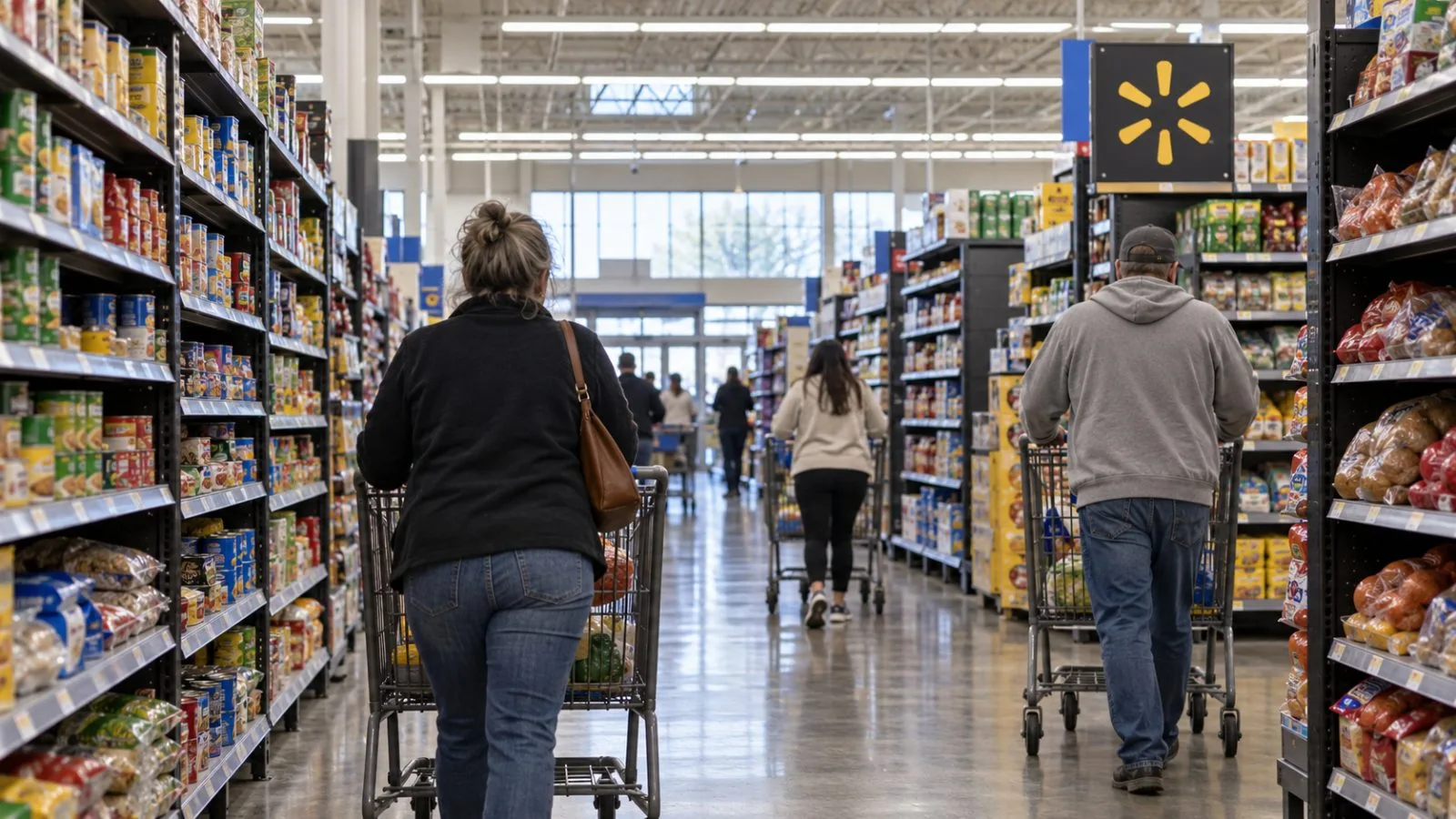
Big businesses like to tell us that, as consumers, we all pay for food theft. We’ve been sold a narrative that as consumers who don’t steal, we pay for the theft of food by others on our grocery receipts.
Reported increases in food theft in Canada are linked to pressures from rising inflation along with diminished investment in social supports such as housing, mental health, transit and crisis and community supports.
Research has shown that in Prairie cities municipalities disproportionately fund police over essential services like housing and mental health support. But instead of increasing social supports, the response to food theft has been surveillance, security and policing in our grocery stores.
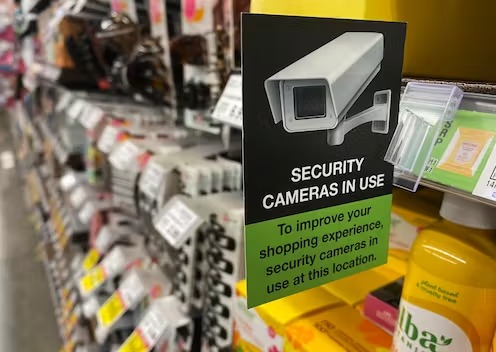
Retailers would have us believe that the cost of food theft is limited to retailers passing on their losses to consumers. However, retailer investment in surveillance, security and special duty police officers are costs that are also passed on to consumers: we pay for the surveillance systems that surround us.
The social cost of policing food is much higher, and deeply concerning because it produces unequal community impacts.
Food theft
Food theft is framed as a threat to paying customers. That furthers the divide between those who can still afford groceries, and those who cannot. Media coverage of food theft often focuses on exceptional examples of theft to emphasize that the crisis is an issue of worsening crime. But that framing ignores the broader economic conditions that perpetuate the problem.
In response to media coverage of grocery theft, some have tried to highlight the connection between rising theft and unaffordable food prices. A Toronto-area law firm has even offered pro bono support for those charged for stealing groceries.

Reported increases in food theft in Canada have been linked to pressures from rising inflation and diminished investment in social supports. (Shutterstock)
When food theft is disconnected from social conditions, it also collectively distracts us from the underlying issue of rising food costs.
Following calls from the Canadian government to stabilize prices as food inflation outpaces general inflation, grocers have submitted preliminary plans to lower food prices but have yet to implement them.
Policing food theft
Buying into the food theft moral panic, divorced from its broader social conditions, has resulted in increased surveillance, security and policing. Retailers and police rely on these extraordinary accounts of food theft to create moral panic to be managed through securitization and policing.
We are emerging from a global pandemic that severely impacted unemployment rates, as cities grapple with underfunded social services and inflated police budgets. In these contexts, thinking about food theft through a lens of criminality limits interventions and responses.
In 2020, the Manitoba government established a Retail Crime Task Force with the goal of “reducing the number of thefts.” The press release announcing the partnership was held in front of a Winnipeg grocer — sending a strong message that food theft will not be tolerated.
Project Stop Lifting is another initiative between the Winnipeg Police Service and Manitoba Justice, and in a two-month period in 2020 it led to 74 arrests and 592 total charges were laid.
Similarly, Vancouver Police have been cracking down on theft and between Sept. 11-26, 258 shoplifting arrests were made.
These arrests and charges raise important concerns about how increased policing is being used as a purported solution to food theft.
Impacts on racialized people
Increased policing will disproportionately impact racialized and other marginalized people who are most vulnerable to over-policing and criminalization.
A charge for theft under $5,000 may not result in incarceration for some, but we know Indigenous and other racialized people are more likely to be arrested for minor offences. In Manitoba, Indigenous people are subject to overpolicing, racial profiling and over incarceration. Indigenous people represent 77 per cent of the provincially incarcerated population.
Research shows that increased policing of grocery stores and pilot programs to increase arrests will disproportionately impact Indigenous and racialized shoppers. This is disconcerting given the Truth and Reconciliation Commission’s Call to Action No. 30 which calls upon federal, provincial, and territorial governments to eliminate the overrepresentation of Indigenous people in custody. The cost of food theft does not justify the impacts of increased incarceration for Indigenous Peoples, as well as other racialized and marginalized people.
Manitoba Premier Wab Kinew has argued the province’s approach to cracking down on theft fails to address the root causes of crime, and that the underlying problems that lead to theft need to be addressed. Theft cannot be divorced from the social conditions that leave individuals with no other alternatives, especially for needs as basic as food.
The cost of policing food
The cost consumers pay for food theft when grocers offload costs to their customers may be significant. However, the cost of policing and incarceration is far more substantial. In 2021-2022 the average cost to incarcerate someone in Canada was $119,355. Beyond the cost of incarceration, we have to consider the cost of responding to food theft within the criminal justice system that results in police costs, court costs, prosecution costs, legal aid costs, correctional services costs, probation costs as well as the cost of incarceration.
The social cost of such measures is important to consider. Going through the justice system will compound financial distress, subject individuals to police violence, and if incarcerated, will disrupt lives.
The costs associated with policing food, and incarcerating those who find themselves in a position of needing to steal food, should be redirected to feed people. Calls to defund and abolish the police have argued for the reallocation of police budgets towards life-sustaining social services and non-carceral alternatives to address crime.
The redistribution of public spending would address people’s struggles to afford food and reduce the high social and fiscal cost of criminalization and policing. By contrast, directing funding to surveillance, security and policing in response to food theft will compound harms.
We have a serious problem if we would rather see people in prison than fed.