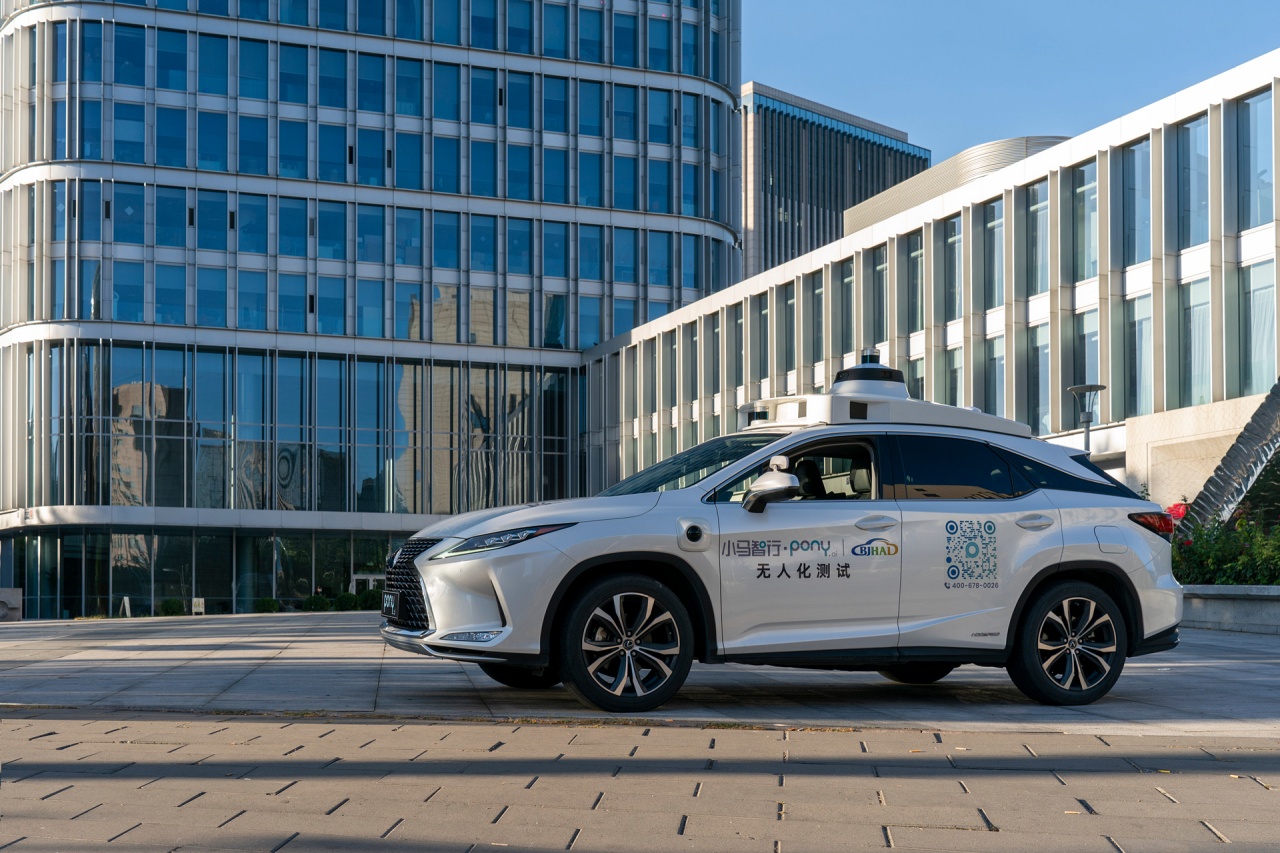
Chinese robotaxi leader Pony.ai Inc. (NASDAQ: PONY) has introduced its fourth-generation autonomous trucks, marking a major push toward large-scale commercial deployment in the global self-driving freight market. The company said the new lineup is engineered for mass production, targeting thousand-unit manufacturing volumes and preparing for initial fleet rollout in 2026.
According to Pony.ai, the latest autonomous truck platform is designed to deliver dramatically improved durability and efficiency. Each vehicle is built for a 20,000-hour service lifespan, supporting up to 1 million kilometers of continuous freight operations. This long-life design aims to reduce overall operating costs while enhancing performance reliability—two core priorities for logistics companies evaluating autonomous transportation solutions.
Pony.ai currently operates a fleet of roughly 200 autonomous trucks, following its entry into the driverless freight sector in 2018. The company, already recognized as one of the world’s largest robotaxi operators, has expanded rapidly as demand for self-driving technology grows. While its primary operations remain in China, Pony.ai has also been stepping up its international footprint, particularly in Europe and the Middle East, where interest in AI-powered mobility and logistics solutions continues to surge.
The global spotlight on autonomous vehicles has intensified in 2024 as advancements in artificial intelligence accelerate development across the sector. Companies like Pony.ai and its Chinese competitor WeRide Inc. (HK:0800) are increasingly viewed as key players in shaping the future of autonomous mobility. Their expansion into new markets highlights rising international confidence in commercial-scale self-driving technologies.
With its new autonomous truck generation, Pony.ai aims to strengthen its competitive position by offering fleets that are cheaper to build, more efficient to operate, and more durable over long-distance workloads. As the company leverages AI innovations and prepares for mass deployment, it is positioning itself at the forefront of the autonomous freight revolution—one that could significantly reshape global logistics in the years ahead.