


 Zelenskiy Offers Russia Energy Truce Amid Trump Pressure
  Trump Sanctions International Criminal Court, Sparking EU Backlash
  Panama Declares Emergency After 7.7 Earthquake Triggers 200 Aftershocks
  Trump Announces Russia-Ukraine Energy Ceasefire Amid U.S. Pressure on Kyiv
  Brazil Election: Lula and Bolsonaro Rally Ahead of October 25 Runoff
  US Judge Blocks Trump Administration’s Taxpayer-Funded Political Ads
  Trump Plans White House Shake-Up of Key AI Safety Agency
  Trump Denies Russia and China Are Helping Iran in U.S. Conflict
  North Korea Fires Ballistic Missiles Amid Rising Tensions With South Korea
  US Condemns China Sanctions on Taiwan Allies Belize and Paraguay
  Trump Announces Russia-Ukraine Energy Ceasefire as Zelenskiy Awaits Details
  NATO Commander Warns Russia of Devastating Response to Attack
  Pakistan Declares Emergency in Khyber Pakhtunkhwa, Suspends Imran Khan’s PTI Government
  Trump Defends Russian Diesel Deal Amid US Sanctions Backlash
  UK Finance Minister Healey Calls for Fiscal Discipline Amid Global Risks
  Mahmoud Abbas Postpones Palestinian Elections to September 2027
  Elon Musk Donates $366 Million to 2026 US Midterms


 Add as a preferred source on Google
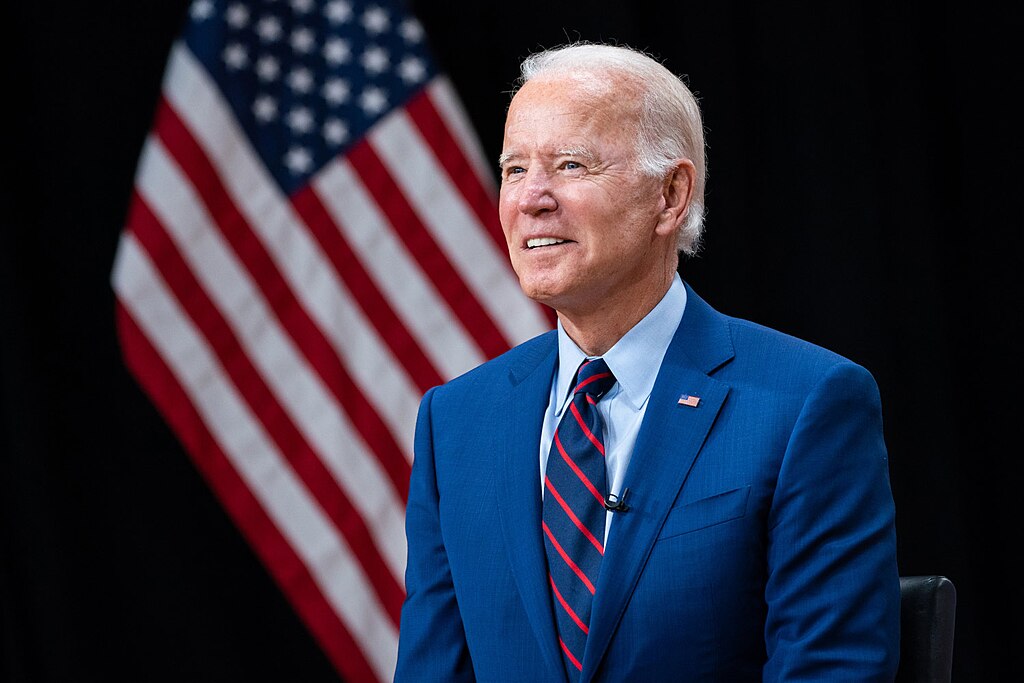
President Joe Biden is preparing to propose sweeping changes to the Supreme Court, which include establishing term limits and implementing an "enforceable code of ethics," according to a report by the Washington Post on Tuesday.
The report, authored by Tyler Pager and Michael Scherer, cites two individuals familiar with the president’s plans who spoke anonymously to discuss private deliberations. Biden is also considering advocating a constitutional amendment to eliminate broad immunity for presidents and other constitutional officeholders, as per Mediaite.
The potential reforms respond directly to the Supreme Court’s recent ruling favoring former President Donald Trump. The court granted presidents and former presidents extensive immunity for "official acts" while leaving the determination of what constitutes an "official act" to lower courts.
In recent months, the Supreme Court has faced significant scrutiny following revelations of lavish gifts to Justice Clarence Thomas. Investigative journalists uncovered that Thomas has received over $4 million in gifts throughout his career, with approximately $2.4 million in the last twenty years. This staggering amount surpasses the combined gifts received by all other justices, with former Justice Antonin Scalia ranking second at $175,861 in gifts over the past two decades. The majority of Thomas's gifts came from Republican mega-donors, according to new data from the watchdog group Fix The Court.
During a Zoom call with the Congressional Progressive Caucus on Saturday, Biden hinted at his new stance on Supreme Court reform. "I’m going to need your help on the Supreme Court, because I’m about to come out — I don’t want to prematurely announce it — but I’m about to come out with a major initiative on limiting the court … I’ve been working with constitutional scholars for the last three months, and I need some help," Biden said, according to the Post.
Biden's proposed reforms reflect his administration's broader efforts to address perceived imbalances and ethical concerns within the judiciary. Introducing term limits would significantly shift from the current lifetime appointments, aiming to bring more regular turnover and potentially reduce partisan tensions surrounding judicial nominations.
The push for an enforceable code of ethics follows public outcry over perceived ethical lapses among the justices. The Supreme Court is currently the only federal court in the United States without a formal code of conduct. Implementing such a code would set clear ethical guidelines and establish mechanisms for accountability, addressing long-standing concerns about transparency and integrity within the highest court.
Considering a constitutional amendment to limit immunity for presidents and other officeholders indicates Biden’s intent to curb the perceived overreach of executive power. The amendment would seek to ensure that presidents and other high-ranking officials are not above the law and can be held accountable for their actions while in office.
The president's proposed reforms will likely face significant political and legal challenges. Amending the Constitution requires a two-thirds majority in the House of Representatives and the Senate, followed by ratification from three-fourths of the state legislatures. Given the current political climate, garnering such widespread support will be formidable.
Biden's plans have sparked a robust debate among lawmakers, legal experts, and the public. Supporters argue that these changes are necessary to restore faith in the judiciary and ensure it operates with the highest standards of ethics and accountability. Critics, however, contend that the proposals could undermine the judiciary's independence and set a dangerous precedent for future political interference.
As Biden prepares to unveil his major initiative on Supreme Court reform, the nation will be watching closely to see how these proposed changes might reshape the judiciary and influence the broader landscape of American governance.







