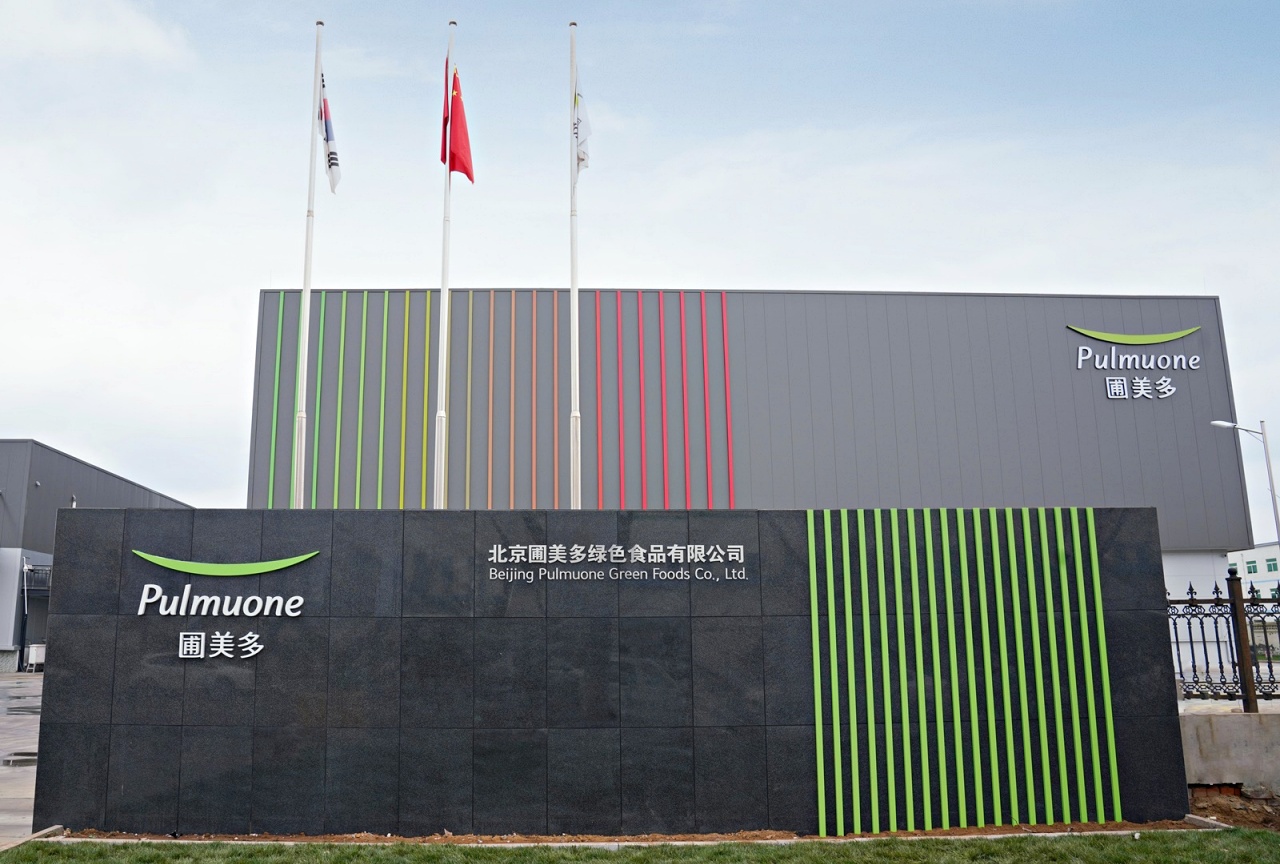
Pulmuone, a South Korean food company known for its plant-based products such as tofu, is set to boost its production of heat-and-eat pasta in China. The company is planning to do this by expanding its plant in Beijing.
Pulmuone said on Monday, Nov. 14, that it will increase the production of its pasta-based instant food, and the decision was made after monitoring the consumption of young people in China. The company observed a surge, so it will expand its manufacturing factory in the Pinggu District of Beijing to accommodate the increased production volume.
As per The Korea Economic Daily, the existing plant covers about 3,847 square meters of space, and the company is upgrading this by adding an advanced automated pasta production line. With this new installation, Pulmuone is expecting to more than double its annual production - from 45 million to 100 million units of products.
The company is investing KRW31.6 billion or about $23.8 million for this project. It was reported that this particular facility uses dried noodles that were sourced directly from Barilla, one of the leading Italian pasta brands.
The dried noodles are boiled and processed for the production of its own pasta-based food products using its own know-how. Pulmuone places them in packs with sauce in the plant and then sold in the markets.
The plant-based food producer is especially targeting the Chinese market for its home meal replacement (HMR) items which include pasta dishes. This food item alone accounted for 43% of the company’s sales last year via its China-based subsidiary, Pumeiduo Foods.
In the first half of this year, Pumeido Foods’ total sales also surged by 35% in the same period in 2021, and this turnout was credited to the growing popularity of refrigerated pasta in the country. Pulmuone’s popular pasta products in China are tomato meat sauce, cheese & bacon, tomato seafood, and black pepper variants.
"As demand keeps rising mainly among youth, pasta is expected to continue its high growth on the Chinese market of 1.4 billion people," Doo Jin Woo, Pumeiduo Foods’ chief executive officer, said in a statement regarding the company’s decision to increase its production in China.