


 Netanyahu Rejects Preemptive Iran Strike Ahead of Israel Election
  China Resumes US Soybean Purchases After Trump-Xi Summit
  US Supreme Court Denies Release of Anti-ICE Activist Kyle Wagner
  Jordan Bardella Antisemitism Allegations Threaten Le Pen’s Campaign
  UN Urges Talks on Lebanon Peacekeeping Mission Extension
  MI5 Warns of Rising Iran, Russia Threats and AI Bioweapon Risks
  US Recalls Nicaragua Envoy After Ambassador Rejection
  Most Americans Oppose Election Betting on Prediction Markets, Poll Finds
  IMF Warns US Debt Crisis Needs Fiscal Action, Urges China to Boost Consumption
  Trump Denies China, Russia Are Helping Iran in War
  Elon Musk Donates $366 Million to 2026 US Midterms
  SpaceX Starlink Restrictions Disrupt Ukraine Military Operations
  Zelenskiy Says Ukraine Received No Warning Before Russian Missile Attack
  Trump Warns Houthis Over Attacks, Considers Erdogan Intervention
  Trump Confirms US Intelligence Sharing With Ukraine Amid Russian Strikes
  Kim Jong Un Showcases ICBM Ahead of Possible Trump Meeting
  FBI Denies Report of Kash Patel’s Russia Visit


 Add as a preferred source on Google
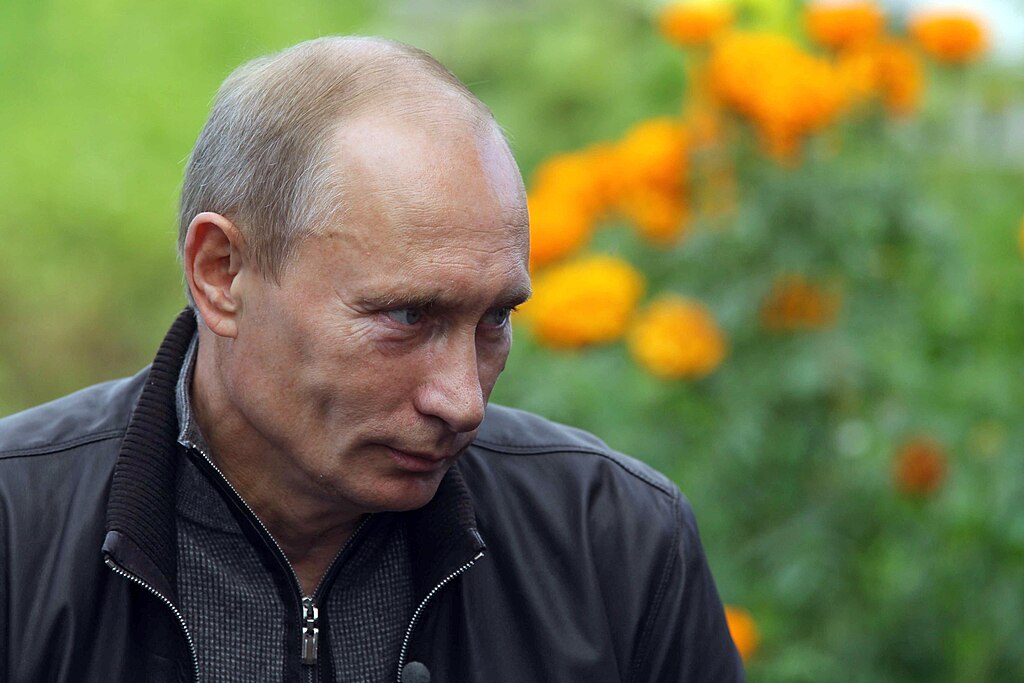
Russia’s recently tested Oreshnik missile, allegedly impervious to modern air defense systems, could pose a grave threat to European security, former Russian President Dmitry Medvedev claimed Sunday. His provocative statements, shared via Telegram, have heightened global concerns over escalating tensions and the potential weaponization of hypersonic technologies.
Medvedev’s Warning: A Game-Changer for Europe
Medvedev, now deputy chairman of Russia's Security Council, outlined the missile's devastating capabilities, asserting that it could bypass existing Western air defenses and reach European capitals “within minutes.” He described the damage as “unacceptable” and added that “bomb shelters will not help” in the event of an attack.
Russia’s test launch of the Oreshnik missile last Thursday targeted a factory in Dnipro, Ukraine. While the strike was conducted with “nuclear-free hypersonic equipment,” according to President Vladimir Putin, Medvedev’s remarks have sparked concerns about its nuclear potential.
The missile’s introduction comes as NATO countries, including the United States and Britain, have authorized Ukraine to use advanced missile systems against Russian military installations. In response, Putin warned of retaliatory measures targeting nations supplying arms to Ukraine.
Global Reactions: Zelensky and NATO Respond
Ukrainian President Volodymyr Zelensky countered Medvedev’s claims, stating that advanced air defense systems could neutralize such threats. Ukraine has already provided fragments of the Oreshnik missile to its Western allies for analysis, with Zelensky urging a collective response to the latest escalation.
“The world has air defense systems capable of countering such threats,” Zelensky said. “Russia must feel that every step it takes to expand the war has consequences.”
NATO has reportedly scheduled an emergency meeting on Tuesday to discuss the implications of Russia’s new hypersonic missile. The alliance has expressed concerns about the missile’s potential to disrupt the balance of power in Europe, particularly if it is equipped with nuclear warheads.
Meanwhile, the Oreshnik missile test is viewed as a retaliatory move against Ukraine’s use of U.S.-supplied Army Tactical Missile Systems (ATACMS) and Franco-British Storm Shadow cruise missiles, which have been deployed against military targets within Russia.
Escalating Military Rhetoric
In a speech coinciding with the missile test, Putin reaffirmed Russia’s right to target military facilities in nations supplying arms to Ukraine. “We will respond decisively and in a mirror-like manner,” Putin said, emphasizing that Russia’s advanced missile systems would be deployed based on threats to national security.
Medvedev’s comments have drawn criticism for their incendiary nature, with many viewing them as a tactic to intimidate European nations. Analysts warn that the escalating rhetoric and advanced weaponry increase the risk of miscalculation, potentially leading to a broader conflict.
Social Media Erupts Over Medvedev’s Statements
Medvedev’s remarks sparked heated debate online, with netizens sharing mixed reactions:
- @DefenseHawk42: “Russia’s hypersonic missile is a serious threat. Europe must act fast to counter this escalation.”
- @Peace4All: “More fear-mongering from Medvedev. It’s time for diplomacy, not missile tests and threats.”
- @TruthUncovered: “Let’s not forget who started this war. Ukraine and its allies have every right to defend themselves.”
- @GlobalWatchdog: “The Oreshnik is just another attempt by Putin to scare NATO into backing down.”
- @WarAnalyst88: “Hypersonic missiles change the game entirely. Europe needs to double down on defense funding.”
- @CrisisAverted: “Both sides escalating like this puts innocent civilians at risk. When will the madness stop?”







