South Korean Yoon Hak-won found that agricultural crops also absorb microplastics, just like in fishery products, which could be harmful to humans.
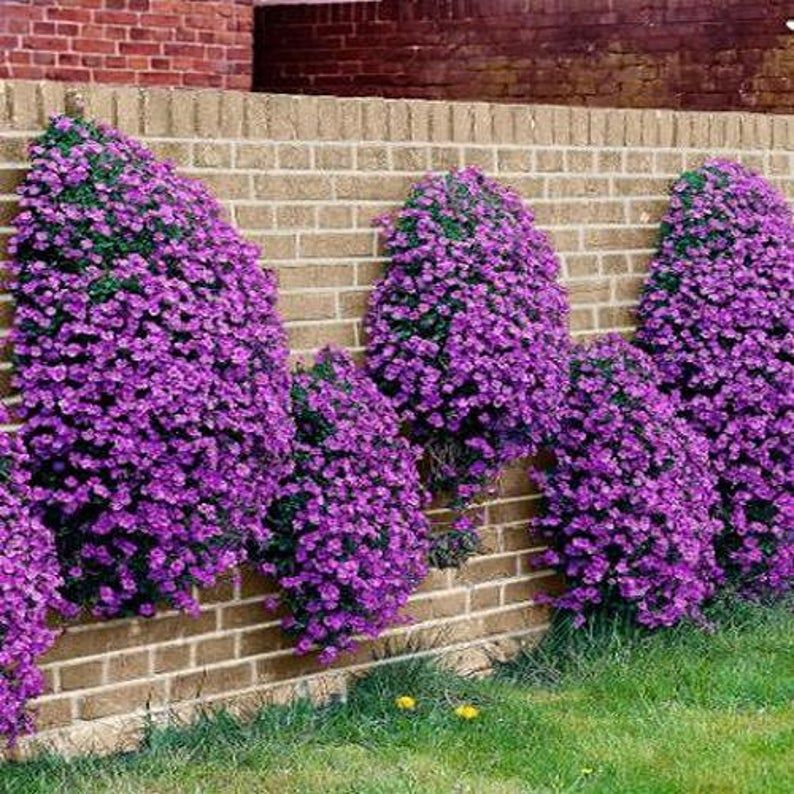
Yoon, a Korea Institute of Toxicology researcher, found microplastics with an average size of 30 nanometers in the cell of the rockcress of the cabbage family plant Arabidopsis.
He cultivated the rockcress for 21 days on soil contaminated with heavy metal cadmium and polystyrene plastic and observed the change in root and leaf cells.
The 30 nanometers of microplastics were smaller than the original size of 50 nanometers of the particles injected into the soil before cultivation.
According to Yoon, this was due to the low molecular organic acid, which is generated through the plant's metabolism and the change in neighboring microorganism activities, decomposing microplastics into smaller sizes.
Yoon noted that the study confirmed that agricultural crops cultivated in contaminated soil can be harmful to humans.

Wildfires ignite infection risks, by weakening the body’s immune defences and spreading bugs in smoke
We combed through old botanical surveys to track how plants on Australia’s islands are changing
Jared Isaacman Confirmed as NASA Administrator, Becomes 15th Leader of U.S. Space Agency
Asian Markets End Year on AI Optimism as Precious Metals and Currencies Shine
Rise of the Zombie Bugs takes readers on a jaw-dropping tour of the parasite world
Fungi are among the planet’s most important organisms — yet they continue to be overlooked in conservation strategies
Ukraine minerals deal: the idea that natural resource extraction can build peace has been around for decades
U.S. Dollar Steadies Ahead of Fed Minutes as Markets Eye Policy Divisions
Trump Administration to Launch Autism Initiatives Targeting Acetaminophen Use and New Treatment Options
U.S. Stock Futures Slip as Year-End Trading Turns Cautious
Lost in space: MethaneSat failed just as NZ was to take over mission control – here’s what we need to know now
Forex Markets Hold Steady as Traders Await Fed Minutes Amid Thin Year-End Volumes
As the Black Summer megafires neared, people rallied to save wildlife and domestic animals. But it came at a real cost 


