


 Fed’s Williams Signals One More Rate Hike Before Year-End
  BOJ Raises Interest Rate to 31-Year High as Yen Weakens
  Yen in Focus as BOJ, Fed Rate Hikes Reshape Currency Markets
  Asian Currencies Mixed as Yen Weakens, RBA Hike Looms
  South Korea Exports Set for 16th Monthly Gain on AI Chip Demand
  China, US Extend Trade Truce Through January 10 After Trump-Xi Summit
  Global Central Banks Brace for More Rate Hikes as Inflation Risks Rise
  RBI Uses $10 Billion Currency Swaps to Drain Excess Rupee Liquidity
  Fed’s Hammack Says Bond Yield Surge Is Not Driven by Inflation Fears
  Fed Unveils Stablecoin Rules Under GENIUS Act
  RBA Hikes Interest Rate to 4.60% as Inflation Risks Rise


 Add as a preferred source on Google
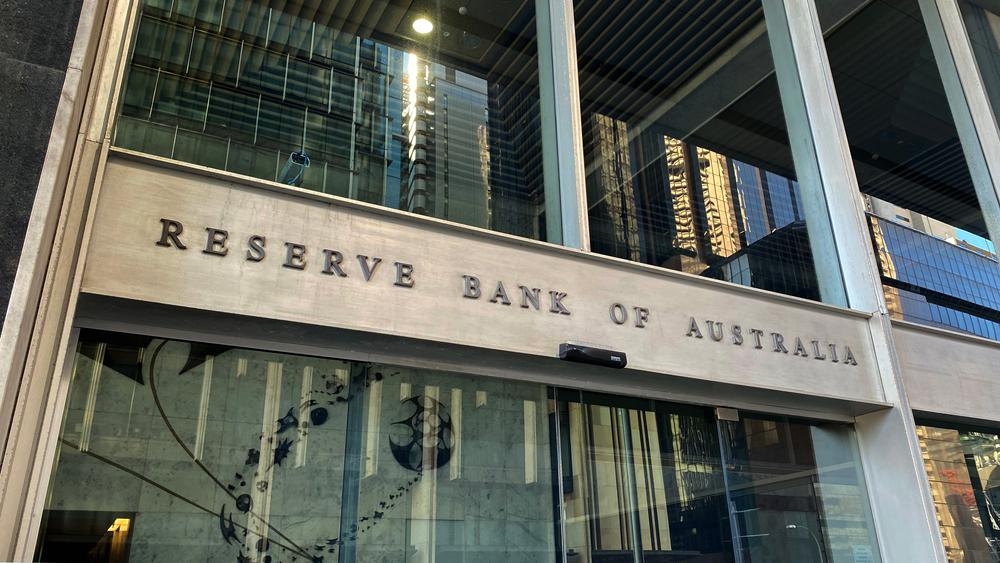
The Reserve Bank of Australia (RBA) is expected to keep its benchmark interest rate unchanged at 3.60% following the conclusion of its two-day policy meeting on November 4. Markets anticipate a hawkish tone from the central bank, as inflation remains persistently high and the labor market shows resilience despite recent economic headwinds.
The decision comes after a series of rate cuts totaling 75 basis points in 2025, aimed at supporting the economy amid cooling inflation and a softening job market. However, stronger-than-expected third-quarter inflation data have shifted expectations, reducing the likelihood of further monetary easing this year. RBA Governor Michele Bullock described the latest inflation figures as “a material miss,” signaling a cautious stance toward future policy moves.
Analysts from ANZ expect the RBA board to unanimously hold rates steady, citing the sharp rise in consumer prices. They noted that the central bank may only consider easing again if economic activity weakens significantly, likely requiring a higher unemployment rate and weaker GDP data. ANZ forecasts one final 25 basis point rate cut in early 2026, with no changes expected for the remainder of 2025.
Westpac analysts echoed this outlook, emphasizing that inflation remains “too hot to handle.” They believe the RBA will maintain its policy stance until early 2026, awaiting confirmation that inflation pressures have eased.
Australian equities, represented by the ASX 200, have struggled ahead of the meeting, logging four consecutive sessions of losses. A hawkish hold could further pressure stocks, although resilient corporate earnings may cushion the downside.
Meanwhile, the Australian dollar (AUD/USD) is likely to strengthen if the RBA delivers a hawkish message, particularly if Governor Bullock rules out additional rate cuts, reinforcing market confidence in the Aussie’s near-term outlook.







