


 Asian Currencies Mixed as Yen Weakens, RBA Hike Looms
  Gold Rebounds as Oil Falls and Treasury Rout Eases
  Global Central Banks Brace for More Rate Hikes as Inflation Risks Rise
  Asian Stocks Fall as Bond Yields and Oil Prices Surge
  China Cuts Tariffs on U.S. Farm Goods but Excludes Soybeans
  Gold Prices Slip as High Treasury Yields Weigh on Bullion
  Fed Rate Hike Threatens Housing as U.S. Growth Leans on AI, Citi Says
  Dollar Eases Near Two-Month High as Yen Rebounds
  U.S. Stock Futures Fall as Iran, Oil and AI Risks Rattle Markets
  South Korea Exports Set for 16th Monthly Gain on AI Chip Demand
  XRP Price Targets $1.70 as Bullish Momentum Builds
  Japanese Yen Retreats as Dollar Rises Ahead of Fed, BOJ Rate Decisions
  Asian Currencies Weaken as Dollar, Oil Prices Rise
  Asian Stocks Fall as Oil Surge, Bond Yields and AI Concerns Hit Markets
  Fed’s Hammack Says Bond Yield Surge Is Not Driven by Inflation Fears


 Add as a preferred source on Google
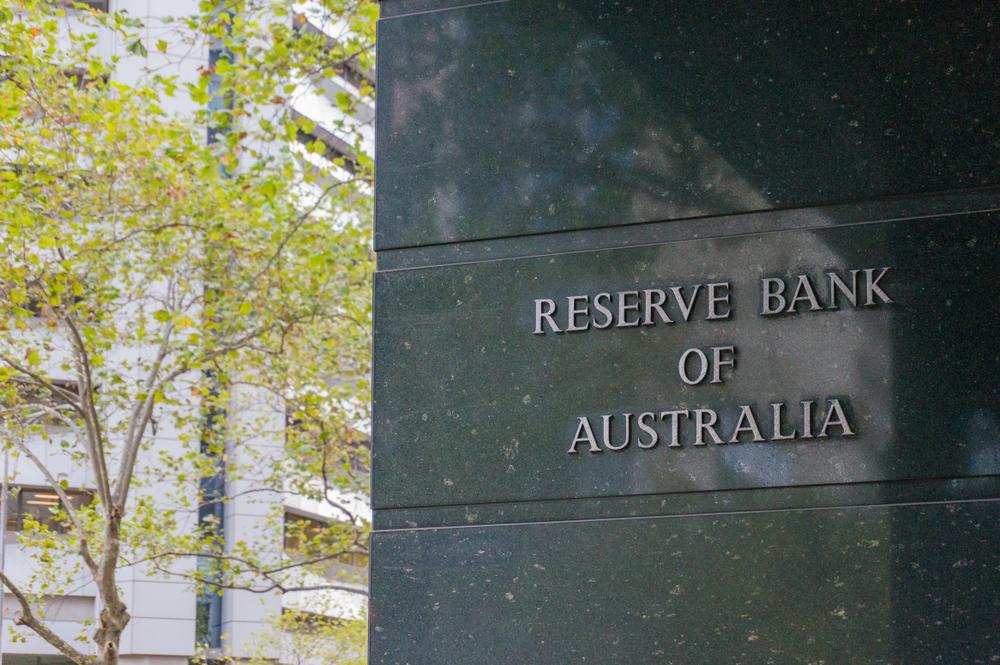
The Reserve Bank of Australia (RBA) decided against an immediate interest rate cut at its September policy meeting, emphasizing that future moves will depend on upcoming economic data. Minutes released on Tuesday revealed the central bank’s cautious stance, highlighting persistent inflation in services and stable employment levels. The RBA kept the cash rate unchanged at 3.60%, following three quarter-point cuts earlier this year.
Policymakers noted that while monetary policy remains “a little restrictive,” earlier rate cuts are starting to support housing demand, with increases in home prices and loan activity. Consumer spending has also shown stronger momentum than expected, although recent data hinted at potential softening in consumption trends. The board will closely watch third-quarter readings on inflation and household spending when it reconvenes on November 4.
The RBA minutes pointed to upside risks in inflation, especially within services and home-building costs, based on July and August consumer price data. Analysts believe that if core inflation rises by 0.7% or less, it could justify an easing move. However, a 0.9% or higher increase would likely deter a rate cut, while 0.8% remains a borderline scenario. Markets currently price in a 50% chance of a November cut, increasing to 70% in December, with expectations of only one additional reduction to around 3.10%.
Labour market conditions remain moderately tight, with unemployment steady at 4.2% despite slower job growth. Some board members also warned of a potential deceleration in private-sector wage gains. Externally, the RBA highlighted continued global uncertainty driven by U.S. tariffs and a weaker-than-expected Chinese economy.
The central bank reaffirmed its data-dependent approach, signaling that any rate decisions will hinge on inflation, consumer spending, and labour market performance in the coming months.







