


 Japan Factory Output Unexpectedly Falls 1.7% in August
  Fed’s Williams Signals One More Rate Hike Before Year-End
  US Dollar Hits Two-Month High as Aussie, Pound Slide
  ECB May Stop Rate Hikes After December, Capital Economics Says
  BOJ Set for Rate Hike as Inflation and Yen Pressure Mount
  Oil Prices Steady as Middle East Crude Flows Recover
  US Stocks Slip as Treasury Yields Ease, AI Trade Rebounds
  RBA Set for September Rate Hike as Inflation Stays High
  India Manufacturing Growth Hits Seven-Month High in September
  South Korea Exports Surge 83.5% on AI Chip Boom
  Gold Rebounds as Oil Falls and Treasury Rout Eases
  Asian Stocks Fall as Bond Yields and Oil Prices Surge
  Trump Demands Powell Resign Over Fed Renovation Cost Overruns
  Central Banks Could Buy 20,000 Tonnes of Gold: BofA


 Add as a preferred source on Google
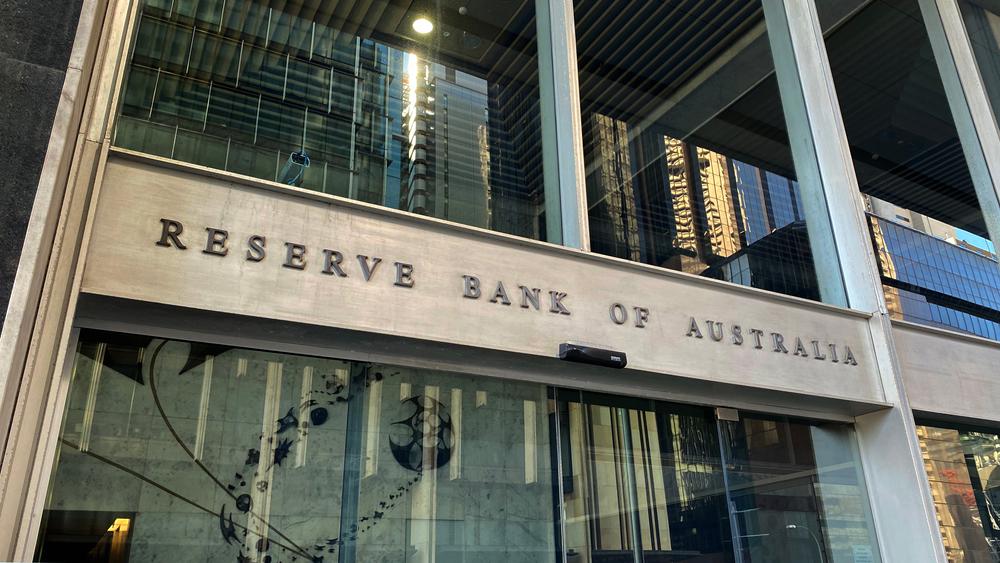
Australia’s central bank considered a steep 50 basis point rate cut in May as a precaution against escalating global trade tensions, particularly from U.S. tariffs, but ultimately opted for a smaller, more predictable 25 basis point reduction. The Reserve Bank of Australia (RBA) lowered the cash rate to 3.85% from 4.10%, according to minutes from the May 20 policy meeting.
Board members acknowledged that while Australia’s economy remained resilient and the labor market was tight, global uncertainties—especially U.S. President Donald Trump’s unexpectedly aggressive tariff policies—posed a significant threat to global and domestic growth. They noted that if worst-case scenarios unfolded, monetary policy might need to shift toward a more expansionary stance, potentially bringing rates below the neutral range, estimated around 3.0%.
The board debated leaving rates unchanged but concluded that domestic inflation progress and subdued household consumption warranted easing. Core inflation returned to the RBA’s 2–3% target band, sitting at 2.9% in Q1 and projected to decline to 2.6% by year-end.
However, policymakers were cautious about cutting too aggressively, citing potential complications if rapid easing had to be reversed. They emphasized the importance of predictable policy moves in a climate of global uncertainty.
Markets currently price in a 70% chance of another rate cut at the RBA’s July 8 meeting, though many economists expect the bank to wait for Q2 inflation data before acting in August. Futures markets see rates bottoming between 2.85% and 3.10% by early next year—levels consistent with neutral monetary policy.
The RBA also flagged concerns that household spending, which had been unexpectedly weak, might not rebound as forecast, reinforcing the case for continued monetary support.







