


 U.S. Stock Futures Fall as Iran, Oil and AI Risks Rattle Markets
  BOJ Flags Import Costs and Yen Shocks as Persistent Inflation Risks
  Fed’s Williams Signals One More Rate Hike Before Year-End
  Australia Budget Deficit Narrows to A$22.3 Billion on Stronger Tax Revenue
  Central Banks Could Buy 20,000 Tonnes of Gold: BofA
  Gold Holds Near Seven-Week Low as Fed Rate Hike Bets Rise
  Asian Stocks Fall as Oil Surge, Bond Yields and AI Concerns Hit Markets
  Fed’s Hammack Says Bond Yield Surge Is Not Driven by Inflation Fears
  Global Central Banks Brace for More Rate Hikes as Inflation Risks Rise
  RBI Uses $10 Billion Currency Swaps to Drain Excess Rupee Liquidity
  RBA Hikes Interest Rate to 4.60% as Inflation Risks Rise
  Oil Prices Jump Nearly 3% as Iran Holds Firm on Hormuz Conditions
  RBA Set for September Rate Hike as Inflation Stays High
  Europe’s AI Data Centre Boom Strengthens Case for Nuclear Power


 Add as a preferred source on Google
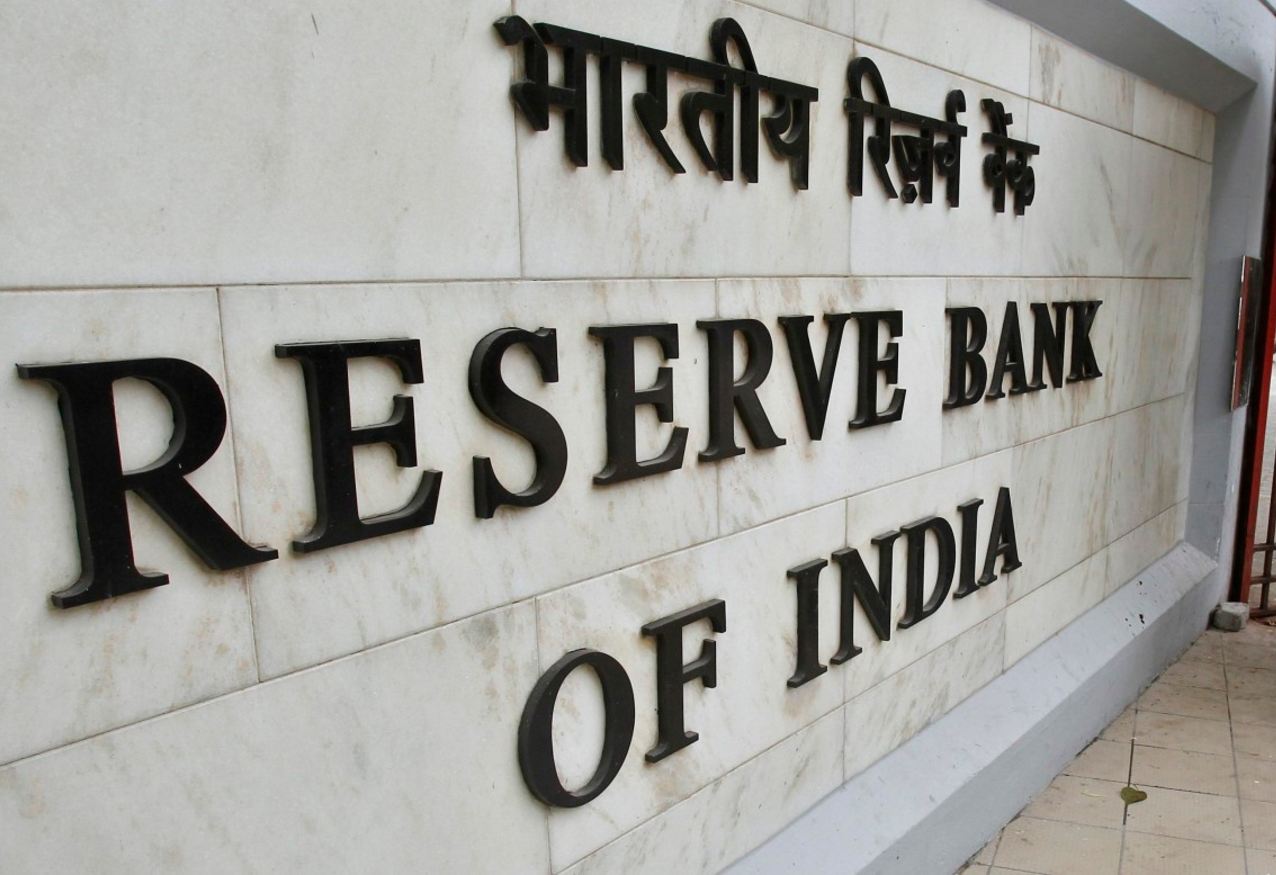
Indian banks are bracing for heightened uncertainty after the Reserve Bank of India (RBI) tightened its grip on currency markets, barring lenders from offering rupee non-deliverable forwards (NDFs) to both resident and non-resident clients. The directive, issued late Wednesday, is expected to make it significantly more expensive for banks to unwind arbitrage positions — potentially resulting in larger financial losses.
The RBI's move targets a wave of corporate-driven arbitrage activity that surged earlier in the week. According to four senior bankers, corporates had been exploiting pricing gaps between India's onshore foreign exchange market and the offshore NDF market. By shutting this channel, the central bank has effectively cut off a key mechanism that banks relied on to reduce their exposures. Those that delayed unwinding positions on Monday now face a steeper exit cost, with market participants well aware of their limited options and demanding a premium accordingly.
Industry estimates suggest that of the $30 to $40 billion in total arbitrage exposure, only about half was unwound before the fresh restrictions took effect. The remainder represents a substantial overhang weighing on the banking system. Foreign banks and select private lenders reportedly managed to reduce positions within RBI limits earlier, while many state-run banks remain heavily exposed.
A key indicator of the pressure building in markets is the spread between onshore and NDF rates. This spread had briefly narrowed to 30–40 paise with the help of corporate flows but has since widened back to nearly 100 paise — directly inflating the cost of unwinding remaining positions.
At the heart of these measures is the RBI's broader effort to stabilize the rupee, which has been under sustained pressure due to elevated global oil prices tied to geopolitical tensions. Analysts view this crackdown as a coordinated attempt to curb speculative activity and reassert regulatory control over rupee dynamics in both onshore and offshore markets.







