


 Dollar Hits Three-Month High as US Treasury Yields Surge
  BOJ Signals Faster Rate Hikes as Inflation Risks Grow
  RBA Hikes Interest Rate to 4.60% as Inflation Risks Rise
  Trump Eyes $54 Billion South Korean Investment in Alaska LNG
  Fed Unveils Stablecoin Rules Under GENIUS Act
  Central Banks Could Buy 20,000 Tonnes of Gold: BofA
  BlackRock’s Rick Rieder Favors Bonds Over Stocks as Treasury Yields Surge
  Oil Prices Slide as Middle East Flows Recover
  Gold Steady as Softer U.S. Inflation Eases Fed Rate Hike Bets
  RBA Set for September Rate Hike as Inflation Stays High
  RBI Uses $10 Billion Currency Swaps to Drain Excess Rupee Liquidity
  Fed’s Hammack Says Bond Yield Surge Is Not Driven by Inflation Fears


 Add as a preferred source on Google
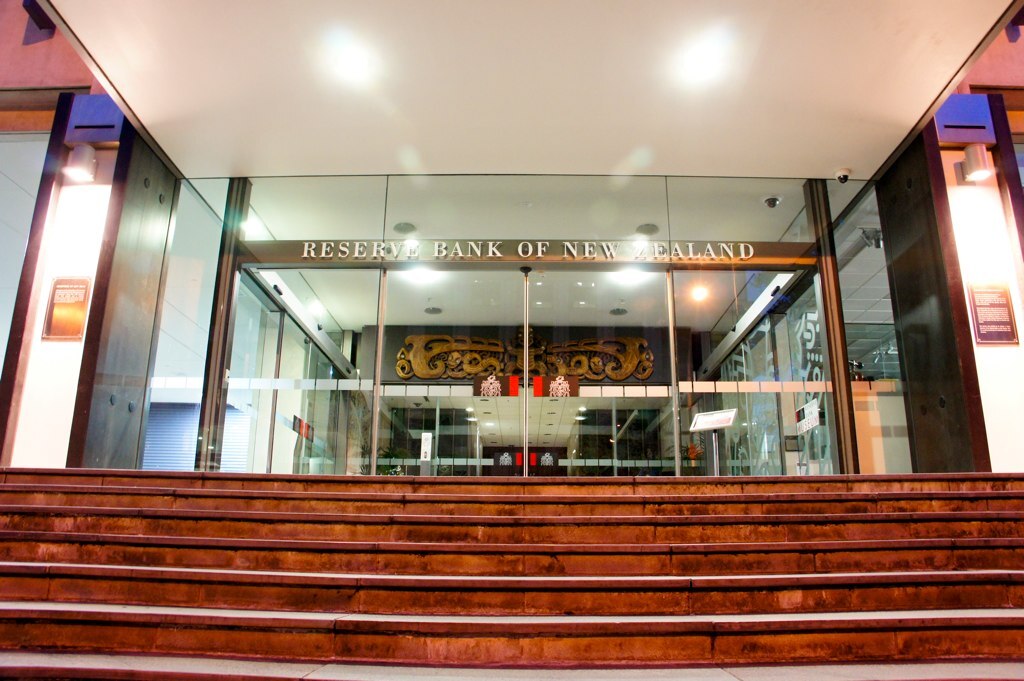
New Zealand’s central bank cut its official cash rate by 25 basis points to 3.25%, marking the sixth consecutive rate cut as global economic uncertainty and U.S. trade tensions weigh on domestic growth. The Reserve Bank of New Zealand (RBNZ) signaled a slightly deeper easing cycle than projected three months ago, forecasting the cash rate to reach 2.92% by Q4 2025 and 2.85% in Q1 2026.
The decision aligned with market expectations, as 29 out of 30 economists in a Reuters poll had anticipated the rate cut. Since August, the RBNZ has reduced rates by a total of 225 basis points, capitalizing on easing inflation, which stands at 2.5%—within the central bank’s 1%-3% target band. The RBNZ expects inflation to rise slightly to 2.7% in Q3.
However, the decision was not unanimous. One of the five committee members voted to keep the rate unchanged at 3.5%. The central bank emphasized that spare capacity in the economy and subdued inflation supported the rate cut.
New Zealand, an early mover in reversing pandemic-era monetary stimulus, had aggressively raised rates by 525 basis points from late 2021 to 2023 to combat inflation. But those high borrowing costs triggered a recession last year. While the economy has exited the downturn, growth remains sluggish, weighed down by weakening global demand and tight fiscal policy.
The RBNZ warned that U.S. tariff uncertainty could further slow international and domestic demand. Financial markets now anticipate at least one more rate cut this year, expecting the RBNZ to maintain a flexible stance in response to evolving economic conditions.







