


 RFK Jr. Launches Nationwide Vaccine Safety Review
  Pakistan Declares Emergency in Khyber Pakhtunkhwa, Suspends Imran Khan’s PTI Government
  Zelenskiy Offers Russia Energy Truce Amid Trump Pressure
  Trump Secures Russian Diesel Deal as US Fuel Prices Surge
  US Charges Maduro and Wife With Torture Conspiracy
  Houthis Warn Saudi Airports After Deadly Riyadh Attack
  Mahmoud Abbas Postpones Palestinian Elections to September 2027
  Yandex Data Center Hit by Drone Strike as Russia-Ukraine Cyber Infrastructure Attacks Escalate
  JD Vance Questions Pentagon Plan to Livestream Fort Hood Shooter’s Execution
  Venezuela’s Machado Calls for Elections by July 2027
  Trump Buys Up to $25M in Meta Stock, Invests in SpaceX Debt
  Russian Strikes Kill Six in Ukraine, Including Three in Kharkiv
  US, EU Push for Action Against Asia’s Excess Factory Capacity
  Flydubai Co-Pilot Planned Suicide Attack on Israel Airport, UAE Says
  UK Finance Minister Healey Calls for Fiscal Discipline Amid Global Risks
  Panama Declares Emergency After 7.7 Earthquake Triggers 200 Aftershocks
  Djibouti Migrant Boat Capsizes, Killing 139 and Leaving 84 Missing


 Add as a preferred source on Google
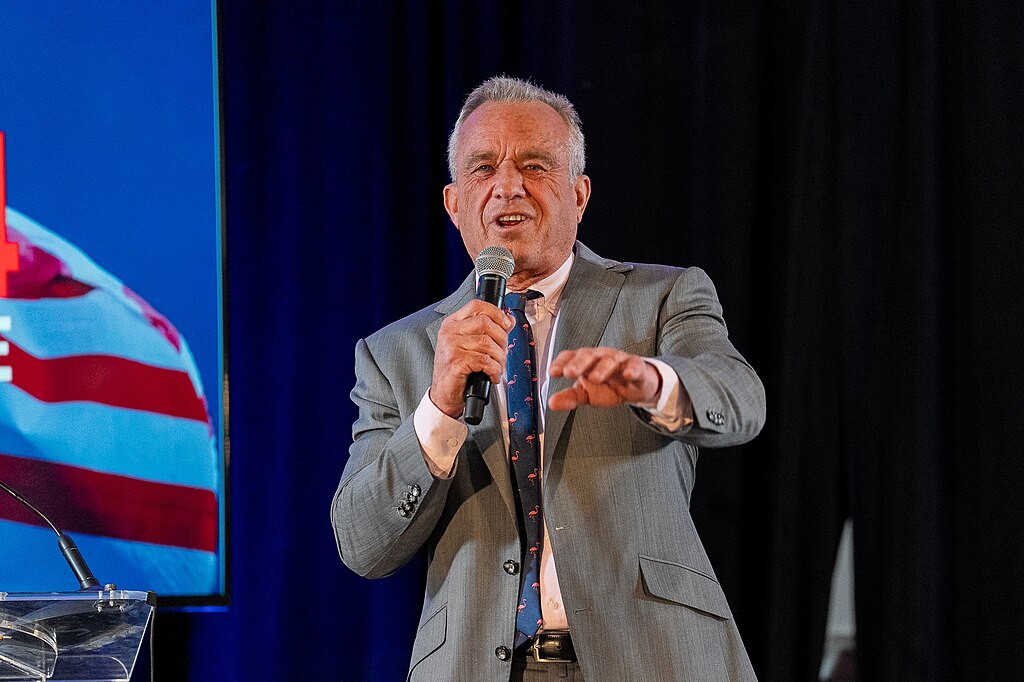
Robert F. Kennedy Jr., recently nominated by President-elect Donald Trump as Secretary of Health and Human Services (HHS), is reportedly vetting candidates for key positions within the U.S. Department of Agriculture (USDA). This move suggests a significant shift in agricultural policy under the incoming administration.
Kennedy's Involvement in USDA Appointments
Kennedy, known for his environmental activism and critical views on modern agricultural practices, is actively participating in the selection process for USDA leadership roles. His involvement indicates a potential alignment between HHS and USDA policies, focusing on health, nutrition, and sustainable farming practices.
Potential Candidates and Policy Implications
Among the names being considered is Jimmy Emmons, a proponent of regenerative agriculture. Emmons' potential appointment aligns with Kennedy's advocacy for sustainable farming methods and reduced reliance on chemical inputs. Such appointments could lead to substantial changes in USDA policies, emphasizing environmental sustainability and public health.
Industry Reactions
The agricultural sector has expressed mixed reactions to Kennedy's involvement:
-
Supporters argue that a focus on sustainable practices is necessary to address environmental concerns and improve public health outcomes.
-
Critics contend that drastic policy shifts could disrupt current farming operations and negatively impact food production and prices.
Some industry stakeholders are concerned about Kennedy's previous statements criticizing conventional farming methods, fearing potential regulatory overreach.
Public Response
The news has sparked a range of reactions on social media:
-
@GreenAgAdvocate: "Excited to see RFK Jr. bringing sustainable practices to the forefront of USDA policies."
-
@FarmersFirst: "Worried that radical changes could harm traditional farming and our livelihoods."
-
@HealthNut2024: "Aligning HHS and USDA under RFK Jr. could lead to healthier food systems for all."
Political Context
Kennedy's involvement in USDA appointments reflects the Trump administration's broader strategy to integrate health and agriculture policies. This approach aims to address chronic health issues through dietary guidelines and farming practices. However, it also raises questions about the balance between innovation and regulation in the agricultural sector.
Conclusion
Robert F. Kennedy Jr.'s active role in vetting USDA appointees signals a potential transformation in U.S. agricultural policy, emphasizing sustainability and public health. As the administration finalizes its appointments, the agricultural community and the public await the implications of these changes on farming practices and food systems nationwide.







