


 Trump Announces Russia-Ukraine Energy Ceasefire as Zelenskiy Awaits Details
  Zelenskiy Slams US Over Deadly Russian Strikes on Ukraine
  Brazil Election: Lula and Bolsonaro Rally Ahead of October 25 Runoff
  Russian Strikes Kill Six in Ukraine, Including Three in Kharkiv
  UK Finance Minister Healey Calls for Fiscal Discipline Amid Global Risks
  Ripple Chairman Chris Larsen Donates $22.5 Million Ahead of US Midterms
  Pakistan Declares Emergency in Khyber Pakhtunkhwa, Suspends Imran Khan’s PTI Government
  Trump Sanctions International Criminal Court, Sparking EU Backlash
  Trump Secures Russian Diesel Deal as US Fuel Prices Surge
  Djibouti Migrant Boat Capsizes, Killing 139 and Leaving 84 Missing
  JD Vance Questions Pentagon Plan to Livestream Fort Hood Shooter’s Execution
  US, EU Push for Action Against Asia’s Excess Factory Capacity
  North Korea Fires Ballistic Missiles as Tensions With South Korea Escalate
  Trump Cancels Alabama Football Trip as Hurricane Isaias Approaches
  Flydubai Co-Pilot Planned Suicide Attack on Israel Airport, UAE Says
  Mahmoud Abbas Postpones Palestinian Elections to September 2027


 Add as a preferred source on Google
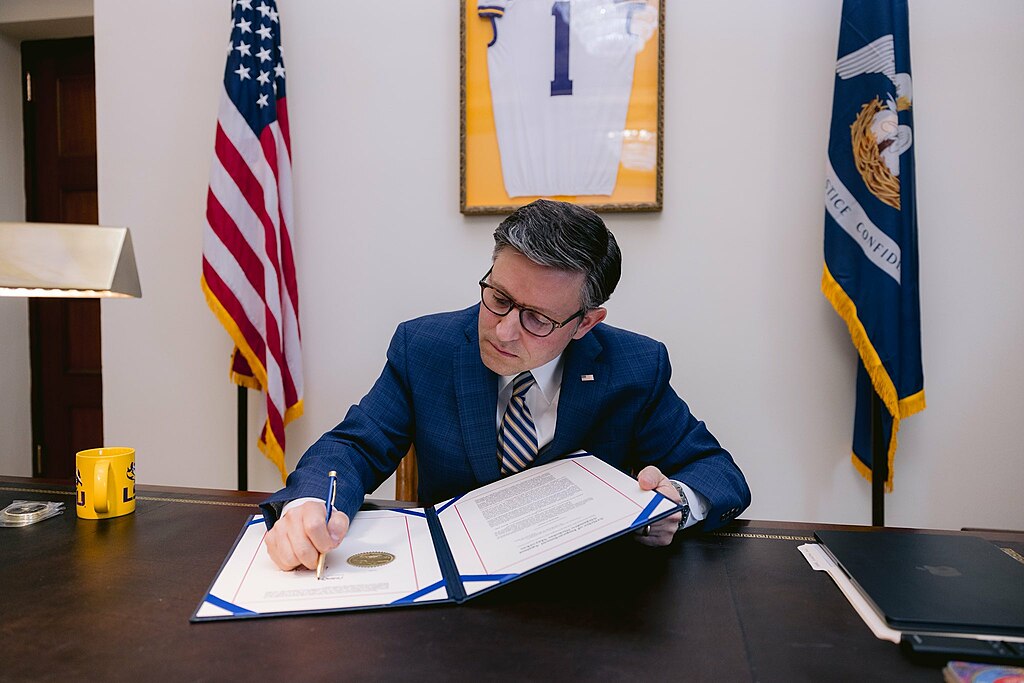
House Speaker Mike Johnson has instituted a policy prohibiting individuals assigned male at birth from using women's restrooms, changing rooms, and locker rooms within the Capitol and House office buildings. This decision, announced on November 20, 2024, coincides with the election of Sarah McBride, the first openly transgender woman elected to Congress.
Policy Details and Rationale
Johnson's directive reserves all single-sex facilities in the Capitol complex for individuals based on their biological sex. He emphasized that each member's office includes a private restroom and that unisex restrooms are available throughout the Capitol. Johnson stated, "Women deserve women's only spaces," underscoring his commitment to maintaining sex-segregated facilities.
Political Context and Reactions
The policy has elicited a spectrum of responses:
-
Supporters argue that the measure is necessary to protect the privacy and safety of women in single-sex spaces.
-
Critics contend that the policy discriminates against transgender individuals, particularly targeting Representative-elect Sarah McBride.
McBride has criticized the policy as a distraction from pressing national issues, stating, "We should be focused on bringing down the cost of housing, health care, and child care, not manufacturing culture wars."
Public and Social Media Response
The policy has ignited a robust debate on social media platforms:
-
@EqualityNow: "This policy is a blatant attack on transgender rights. Discrimination has no place in our government."
-
@ProtectPrivacy: "Kudos to Speaker Johnson for standing up for women's privacy and safety in the Capitol."
-
@TransRightsMatter: "Targeting the first trans woman in Congress with such policies is shameful and regressive."
Legal and Social Implications
Legal experts suggest that the policy may face challenges under existing anti-discrimination laws, including Title VII of the Civil Rights Act, which prohibits employment discrimination based on gender identity. The policy's implementation could set a precedent for similar measures in other federal buildings, potentially influencing broader debates on transgender rights and access to public facilities.
Conclusion
Speaker Mike Johnson's policy to restrict access to women's facilities in the Capitol based on biological sex has sparked significant controversy, highlighting the ongoing national discourse on transgender rights, privacy, and discrimination. As the policy takes effect, its legal and social ramifications will likely continue to unfold, influencing future legislative and societal approaches to gender identity and public accommodations.







