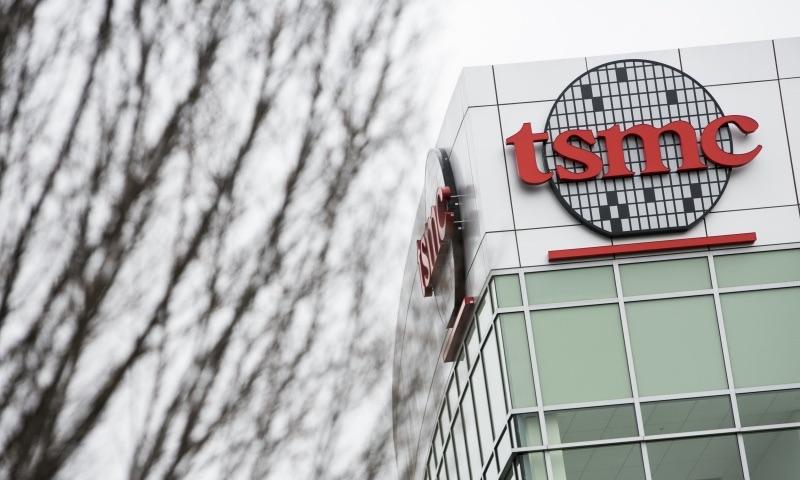
President Donald Trump criticized the Biden administration for awarding a $6.6 billion subsidy to Taiwan Semiconductor Manufacturing Company (TSMC), arguing that semiconductor giants like TSMC do not need government funding. Speaking at the Republican National Congressional Committee event on Tuesday, Trump voiced strong opposition to taxpayer support for the chipmaker’s U.S. expansion in Phoenix, Arizona.
Trump revealed he had warned TSMC that if it didn’t manufacture its semiconductors in the United States, it could face tariffs of up to 100%. His comments reflect ongoing concerns about supply chain security, domestic chip production, and the strategic importance of semiconductors in national defense and economic resilience.
The $6.6 billion grant was part of the Biden administration’s efforts to boost domestic semiconductor production, reduce reliance on Asian suppliers, and secure critical technologies. While the funding is intended to position the U.S. as a leader in chip manufacturing, Trump claimed such companies would still invest in America without financial incentives, especially given the size of the U.S. market.
TSMC, the world’s leading chipmaker, is building a major facility in Arizona that aims to support advanced chip manufacturing and create thousands of local jobs. However, Trump insisted that corporate giants like TSMC should pay their fair share and not rely on public funds.
As the global chip race intensifies, Trump’s remarks underline growing Republican skepticism about government subsidies for foreign companies, even those playing a vital role in national tech competitiveness. The debate highlights a broader clash over industrial policy and economic nationalism, which could shape future U.S. trade and manufacturing strategies.