


 Flavio Bolsonaro Leads Lula 49%-45% in Brazil Runoff Poll
  US Judge Blocks Trump Administration’s Taxpayer-Funded Political Ads
  Trump Sanctions International Criminal Court, Sparking EU Backlash
  Trump Announces Russia-Ukraine Energy Ceasefire as Zelenskiy Awaits Details
  US, EU Push for Action Against Asia’s Excess Factory Capacity
  Zelenskiy Slams US Over Deadly Russian Strikes on Ukraine
  North Korea Fires Ballistic Missiles as Tensions With South Korea Escalate
  UK Finance Minister Healey Calls for Fiscal Discipline Amid Global Risks
  Trump Calls for Zelenskyy Replacement Amid Russian Diesel Deal
  Panama Declares Emergency After 7.7 Earthquake Triggers 200 Aftershocks
  Djibouti Migrant Boat Capsizes, Killing 139 and Leaving 84 Missing
  Trump Buys Up to $25M in Meta Stock, Invests in SpaceX Debt
  JD Vance Questions Pentagon Plan to Livestream Fort Hood Shooter’s Execution
  Houthis Warn Saudi Airports After Deadly Riyadh Attack
  Trump Announces Russia-Ukraine Energy Ceasefire Amid U.S. Pressure on Kyiv
  Russian Strikes Kill Six in Ukraine, Including Three in Kharkiv
  RFK Jr. Launches Nationwide Vaccine Safety Review


 Add as a preferred source on Google
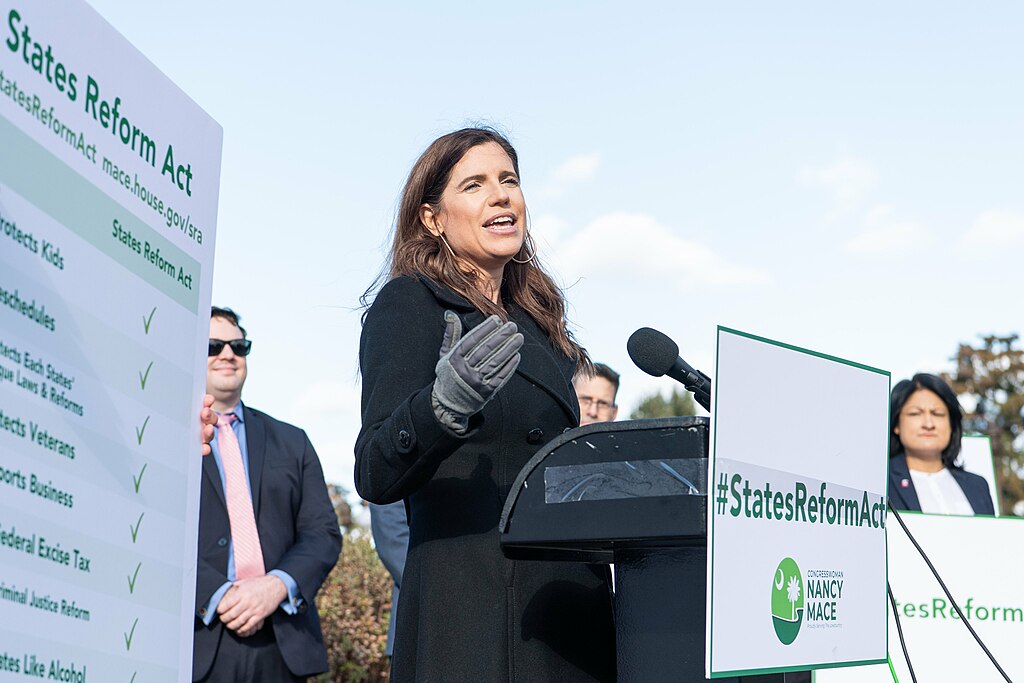
In a move igniting nationwide debate, Representative Nancy Mace (R-S.C.) has introduced the "Protecting Women's Private Spaces Act," aiming to prohibit individuals assigned male at birth from accessing women's restrooms and other single-sex facilities on federal property. This legislative effort follows her recent resolution targeting similar restrictions within the U.S. Capitol.
Legislative Details and Objectives
The proposed bill seeks to enforce that single-sex facilities—including restrooms, changing rooms, and locker rooms—on federal property correspond strictly to an individual's biological sex as assigned at birth. Mace asserts that this measure is essential to safeguard the privacy and safety of women and girls in federally managed spaces.
Context and Motivations
Mace's legislative actions coincide with the historic election of Sarah McBride, the first openly transgender woman elected to Congress. While Mace has not explicitly linked her bill to McBride's election, the timing has led to widespread speculation regarding the bill's motivations. Critics argue that the legislation may be a reaction to McBride's upcoming tenure, though Mace has not confirmed this connection.
Public and Political Reactions
The introduction of the bill has elicited a spectrum of responses:
-
Supporters contend that the legislation is a necessary step to protect the privacy and safety of women in public facilities, emphasizing the importance of maintaining sex-segregated spaces.
-
Opponents argue that the bill discriminates against transgender individuals, undermining their rights and dignity. They express concerns that such measures could lead to increased stigmatization and marginalization of transgender communities.
Sarah McBride has publicly criticized the proposed legislation, describing it as a distraction from pressing national issues and an attempt by right-wing extremists to avoid addressing substantive policy matters.
Legal and Social Implications
If enacted, the "Protecting Women's Private Spaces Act" would standardize restroom and facility usage policies across all federal properties, potentially influencing similar legislation at state and local levels. Legal experts anticipate challenges to the bill, citing potential conflicts with existing anti-discrimination laws and constitutional protections. The bill's progression is expected to prompt extensive legal scrutiny and public discourse on the balance between privacy rights and anti-discrimination principles.
Conclusion
Representative Nancy Mace's introduction of the "Protecting Women's Private Spaces Act" has sparked a contentious national conversation on gender identity, privacy, and the rights of transgender individuals. As the bill advances through the legislative process, it is poised to serve as a focal point for broader discussions on inclusivity, safety, and civil rights within federally managed spaces.







