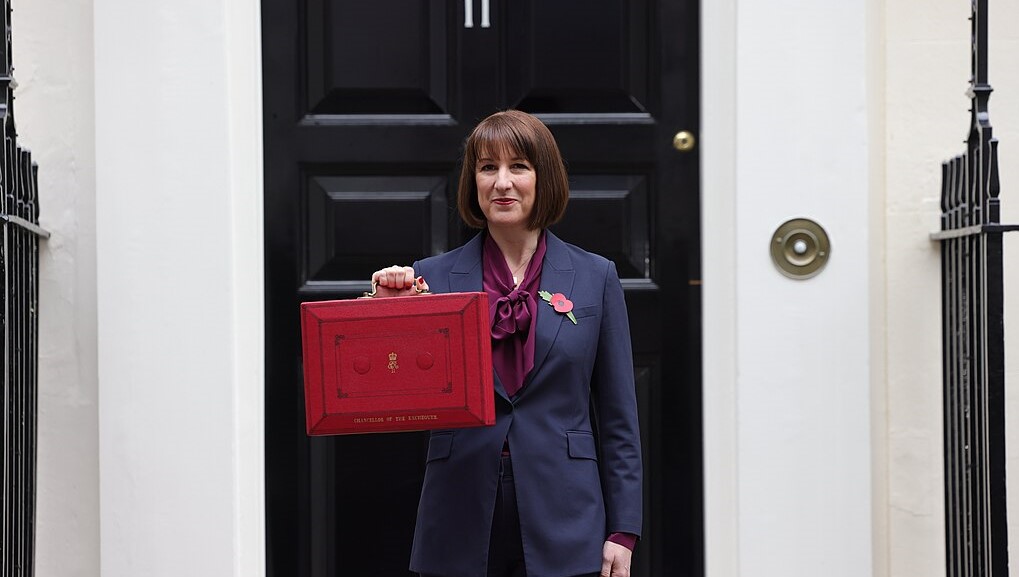
Britain’s finance minister, Rachel Reeves, has confirmed she is considering both tax increases and spending cuts for her upcoming budget on November 26. The move aligns with her commitment to balancing the nation’s finances amid mounting economic pressures.
Economic analysts forecast that Reeves will need to raise around 30 billion pounds ($40.1 billion) through new tax measures to meet her fiscal goals. The challenge has intensified after higher-than-expected government borrowing costs, the scrapping of plans to cut welfare spending, and downgraded growth projections.
Speaking to Sky News on Wednesday, Reeves said, “Challenges are being thrown our way... I won’t duck those challenges. Of course, we’re looking at tax and spending as well, but the numbers will always add up with me as chancellor.”
Reeves has consistently emphasized her commitment to “economic responsibility,” underscoring that all fiscal decisions will adhere to her rule of balancing day-to-day public spending with tax revenues by 2030. Her focus on fiscal discipline aims to rebuild market confidence and stabilize public finances following years of turbulence.
However, speculation is growing that the Labour government may reconsider some of its pre-election tax pledges. Before the July 2024 general election, Labour vowed not to raise Value Added Tax (VAT), National Insurance contributions, or income tax rates. Yet, given the current economic climate, these assurances may be revisited as the government seeks additional revenue sources to meet its fiscal targets.
As Britain faces a slowing economy and mounting debt, Reeves’ budget decisions will play a crucial role in shaping investor confidence and public trust. Her approach signals a pragmatic stance—one that prioritizes fiscal stability over political convenience while reaffirming her intent to ensure the UK’s economic recovery remains sustainable.