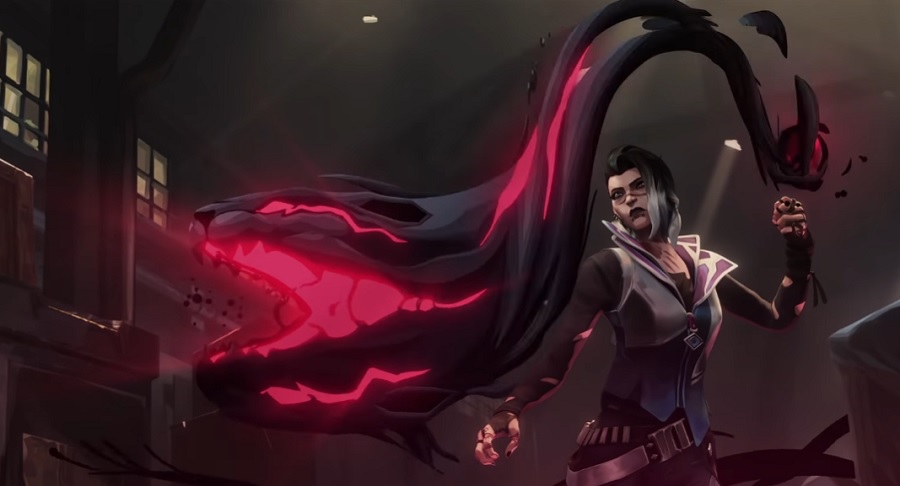
Riot Games has filed a copyright infringement lawsuit against the Chinese tech giant and video games publisher NetEase. The former claims that its recently launched mobile game “Hyper Front” copies several aspects of its PC free-to-play title “Valorant.”
The “Valorant” developer is filing lawsuits in courts in Germany, Brazil, and Singapore due to differences in the copyright laws per country. But Polygon noted that the complaints revolve around the same claim that NetEase copied crucial elements of Riot Games’ first-person shooter.
“Valorant” has been in the market since 2020 and it is currently available on PC. In June 2021, Riot Games said the game had surpassed 14 million monthly users. At the same time, the developer confirmed it is working on a mobile version of the game. But it has yet to have a release timeline.
On the other hand, NetEase officially released the 5v5 tactical shooter “Hyper Front” on Android and iOS last July, along with a “Lite” version with lower specs requirements. The game is available in Europe, Latin America, Southeast Asia, Canada, and the Middle East.
Riot Games is headquartered in Los Angeles, California. But the company has been wholly owned by Chinese tech and entertainment conglomerate Tencent since 2011.
Speaking about the lawsuit, Riot Games lawyer Dan Nabel said NetEase copied Riot Games’ creative choices in “Hyper Front.” “We don’t think that changing the color of a character ability or slightly modifying the visual appearance changes the fact that it’s copyright infringement,” Nabel said in a statement to Polygon. “It’s like that old saying, ‘You can put lipstick on a pig, but it’s still a pig.’”
The statement is reflected in the lawsuit filed in the UK court, which states in paragraph 35, “Hyper Front is a copy of substantial parts of the Valorant Game.” The filing went into detail about how Riot Games believes much of the character designs and abilities present in “Valorant” were copied in “Hyper Front.”
Riot Games provides side-by-side comparisons of several characters between “Valorant” and “Hyper Front” and explains how it deems they have striking similarities in terms of design, attitude, and abilities. For example, the publisher claims that “Hyper Front’s” Sentinel is a copy of “Valorant’s” Killjoy. Riot Games’ filing adds that their fashion style is similar, they both have a “laid-back attitude,” and even their stance looks the same.
The LA-based developer and publisher also pointed out what it deems as similarities in some “Valorant” and “Hyper Front” character abilities' functions. Riot Games also claimed that NetEase’s mobile game’s weapon stats are comparable to the ones offered in “Valorant.”